One manager can make all the difference in the world to the path of a football club. The likes of Unai Emery at Aston Villa and Mikel Arteta at Arsenal have been responsible for turning fortunes, expectations and beliefs around in one single dugout decision. However, a manager's influence should not just be short-term success. The problem is that this involves Premier League managers, where the success would be based on both quantitative and qualitative aspects.
This managerial aspect is becoming increasingly important in football betting analysis. The odds in the Premier League can change in an instant, depending on whether a club is expected to rise or fall, and it can be a change of coaching method that can make all the difference. Knowing how a manager impacts the team's performance can help you determine the value if you're thinking about what the best betting sites are as you see it on Wincomparator, and where there may be value.
The blueprint for transformation: What makes a manager truly impactful?
A new manager is not necessarily a sign of success. Many clubs experience a “new manager bounce” as many players respond to the motivation and new tactics of the new manager. However, for any real change to be effected, there has to be long term planning, improved recruitment, improved training techniques and a clear football philosophy.
There are multiple KPIs to measure the impact of management. The measures of progress are: points per game, league change, goal difference, expected goals (xG), defensive stats and trophies. You can't be a successful manager based on one or two hot streaks.
Another important measure is loyalty of the fans. While it's not so easy to measure, supporter feelings, stadium vibe, social media interaction and a newfound identity are all signs of how much a manager has transformed a club. Football legends such as Sir Alex Ferguson, Manchester United and Arsène Wenger, Arsenal are the standard bearers because they had to have made a lasting impact on football and club culture over the many years they played.
Case study 1: The tactical turnaround artist – Unai Emery at Aston Villa
Unai Emery joined Aston Villa in October 2022, a challenging time for the club under Steven Gerrard. Villa were in danger of relegation after picking up a couple of points in their opening Premier League matches. Frequent changes of personnel, lack of organisation in defence and a lack of tactical identity characterized the team.
When Emery came, it was an instant turn around. Villa rose out of relegation trouble and finished seventh to qualify for Europe in 2022/23. Their offense and defense became more efficient, more compact and made big strides in points per game since he was hired.
The next season did the rest to demonstrate the improvement wasn't just temporary. Villa had their first time in decades of joining the Champions League in the 2023/24 season, and finished 4th. Emery had a very special approach to football which was based on tactical adaptability, possession, and moving with the ball and attacking.
The shift also affected fan's expectations. Villa fans started off the season with the thought that they were going to have a bad time, but the club looked like it had the possibility to be one of the top sides in England. Emery brought back a sense of pride to Villa Park and made it more about supporters, players and the club's aspirations.
Case study 2: The cultural rebuilder – Mikel Arteta at Arsenal
Mikel Arteta's challenge wasn't the same at Arsenal. The club was in turmoil under Unai Emery and were suffering from a patchy record when he took over the job in December 2019. The team was losing its identity and part of the fan-base was getting frustrated.
Arteta was more concerned with a long-term rebuild than a quick fix. He was creating his own way of playing and bringing it to a cohesive level, raising standards, bringing through youngsters and working with the recruitment team, making sure that it's sustainable. It had its ups and downs.
But the Gunners' intentions were made clear. Thereafter, the club finished in fifth place in 2021/22, and became title contenders in the subsequent years. Arsenal were one of the Premier League's best teams for the last two seasons (2022/23 and 2023/24), where they battled Manchester City for the title.
Arteta was more than just results as he changed the way the club related to its fans. The frustration of past seasons was taken away and a unified and optimistic outlook with a “Trust the Process” mentality was the name of the game. The fans once again got a taste of the team's style, drive and personality.
From the dugout to the betting slip: How a manager's influence affects the odds
Pre-match, managers influence the betting markets. Bookies also consider the reputation of a particular coach, their tactics and their past achievements in evaluating the odds of a team. Even if a club has a manager already, it is expected that they will get better, although this does not reflect in the results.
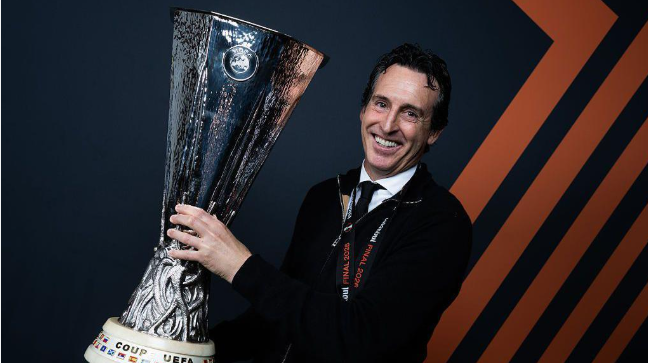
This can mark value for bettors. Those expectations have risen steadily since Emery joined Aston Villa in 2022 — from Europa Conference League qualification in his first season, to Champions League qualification in 2023/24, and ultimately to the club's first European trophy in 44 years, the 2026 Europa League title, but expectations were far lower back when he arrived. But the fact that his name was already well known to those who have witnessed his abilities and performances before, could be enough to see the potential before the betting has caught up.
Specific betting markets can also be analysed using managerial analysis. Attacks can result in positive goal market movements and defensive teams can affect clean sheet/match total markets. Knowing what is tactical consistency then turns into part of an extensive sports betting strategy.
Conclusion: The manager factor – your edge in Premier League betting
There's more to a Premier League manager than what transpires on the day. Football is a game of personalities and Unai Emery and Mikel Arteta have achieved one thing; they have changed the face of their teams and created a strong base of supporters.
It's more useful to analyse managers than just look at the form for supporters and bettors. Tactical philosophy, squad development, and leadership style can indicate areas where teams can improve or struggle.
When it comes to future events, using this method can enable bettors to make better predictions. It is important to compare markets and prices, and a comparison platform can help readers determine the suitable options and view it on Wincomparator when creating their football betting decision.