|
Brand Name |
Dottie (Dottie Desktop) |
|
Category |
Private AI voice assistant and agent for Mac |
|
Developer |
Dottie (dottie.ai) |
|
Platform |
macOS (Apple Silicon recommended); separate Dottie journal app on iPhone |
|
Core Features |
Voice dictation, AI chat, agent mode, on-device memory, text-to-speech |
|
Model Support |
3,800+ local models plus optional cloud providers (your own API keys) |
|
System Tools |
134 native Mac automation tools |
|
Privacy |
Local-first; data stays on device when local models are used |
|
Pricing |
Free to download and use; you cover any third-party API costs |
|
Best For |
Mac users who want hands-free, privacy-focused AI that takes real actions |
|
ICON POLLS Rating |
3.7 out of 5 |
Dottie AI Review in 2026: The AI Itself
At its core, Dottie is built to be a voice assistant first. You hold a key or say a wake word, speak naturally, and watch it work. During our testing the speech recognition felt quick and the responses came back without the awkward turn-taking you get from older assistants. You can even interrupt it mid sentence, which sounds small until you use it and realize how natural it makes the whole thing feel.
What sets the AI apart is flexibility. Dottie supports thousands of local models as well as optional cloud engines, so you are not locked into one brain. If you want everything to stay on your Mac, you run a local model and nothing leaves your device. If you want more power for a heavy task, you can plug in a cloud provider using your own key. That choice is the heart of what makes Dottie interesting, and it is rare to find it bundled into a free app.
The agent mode is where it stops being a chatbot and starts being an assistant. It reads emails, drafts replies, schedules meetings, and can research the web, all from a spoken request. It is not flawless, and complex multi step tasks occasionally need a second nudge, but the foundation is genuinely impressive for 2026.
Dottie Studio: Models and Provider Setup
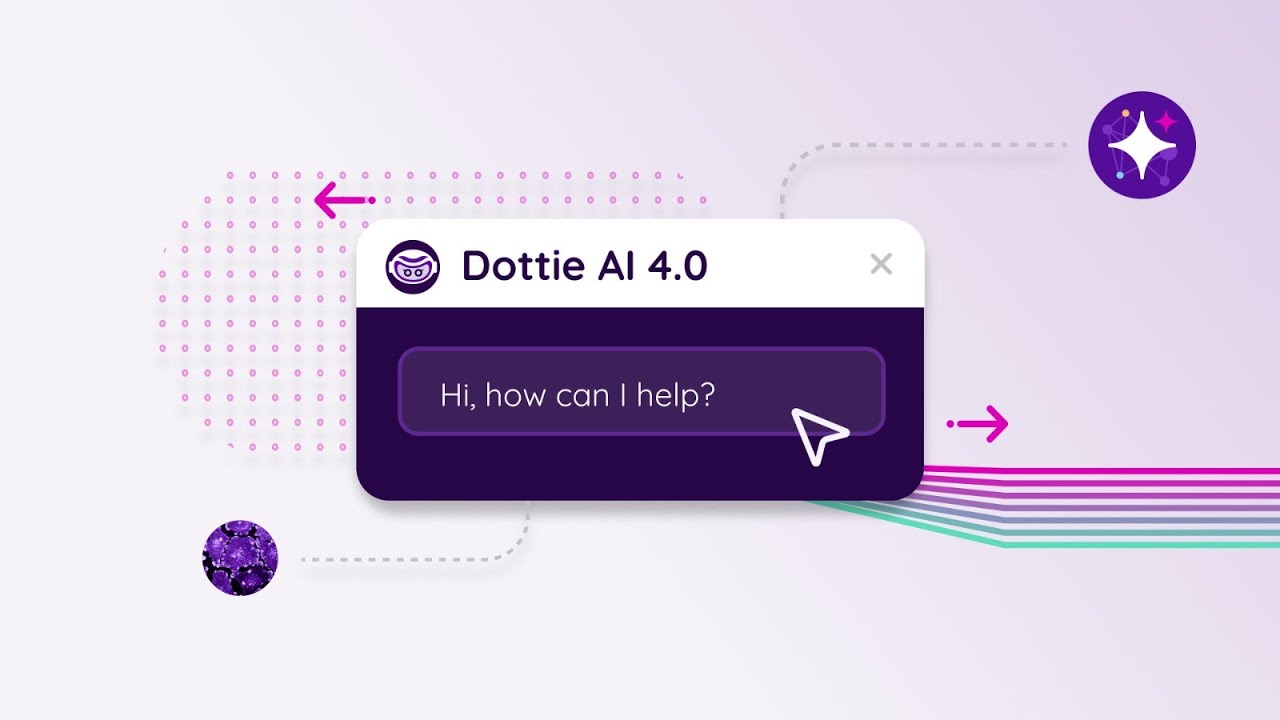
A lot of readers search for Dottie Studio expecting a separate product, so let us clear that up. The studio side of Dottie is really the model and provider control center inside the app, where you pick which engine powers your assistant and manage your own API keys. It is the workshop where you decide whether Dottie runs local, cloud, or a mix of both.
For developers there is an added layer. Dottie offers an SDK that lets other apps tap into shared AI, memory, storage, and Mac tools through a single interface, with users approving access on a per app basis. This means your app can get on device AI without juggling API keys or paying per token. It is a thoughtful design that respects user consent, and it hints at where the platform is heading.
For everyday users, the takeaway is simpler. The setup is more involved than a one tap chatbot, and the variety of models can feel overwhelming at first. Once configured, though, it mostly fades into the background and just works.
Dottie Journal: The Private Reflection App
Worth a clear note up front: the Dottie Journal is a separate app from the Mac assistant, even though they share a name and a privacy-first attitude. The Journal lives on iPhone and is built for one thing, helping you reflect honestly without your thoughts ending up in the cloud.
You can type or dictate entries, and the AI offers gentle summaries and reflections that highlight patterns and emotions over time. All entries stay on your device, there are no accounts, and you can export your data as JSON, CSV, Markdown, or PDF, so you always own what you write. Early users have praised how calm and unintrusive it feels, describing it as a private space rather than a nagging app. Common requests so far have been small quality of life additions like backdating entries, which the developer has been responsive about.
User Experience: Living With Dottie
In daily use, Dottie sits quietly in your menu bar with a color coded status light and global hotkeys, so it is always one shortcut away. The floating overlay with live transcription is a nice touch, and the interface, built with SwiftUI, feels native rather than bolted on. For a free app, the polish genuinely surprised us.
The honest friction points are around onboarding. Choosing models, understanding local versus cloud, and granting the right permissions can intimidate non technical users. There is a learning curve, and people expecting a plug and play experience may feel lost in the first hour. But the per app permission model and local-first design mean that once you understand it, you trust it, and that trust is hard to put a price on.
Pros and Cons
What we liked:
Completely free to download and use, with no rate limits on local models
Strong privacy, with data staying on device when local models are used
Deep Mac automation through 134 native system tools
Flexible choice of thousands of local and cloud models
Polished, native feeling interface and smooth voice interaction
What could be better:
Onboarding and model setup can overwhelm non technical users
Cloud providers still require your own API keys and their costs
Complex multi step agent tasks sometimes need a second attempt
macOS only, with the Journal as a separate iPhone app
Our Verdict and Rating
After spending real time with it, our team rates Dottie 3.7 out of 5. It loses a little for its learning curve and its Mac only focus, but it earns high marks for privacy, automation depth, and the simple fact that the core product is free. If you own a Mac and want an assistant that actually does things while keeping your data close, Dottie is well worth a download. It is not the most beginner friendly tool on day one, but it rewards the people who stick with it.
ICON POLLS Final Score: 3.7 / 5
Frequently Asked Questions (FAQs)
1. What exactly is Dottie AI?
Dottie is a private AI assistant for Mac that you can talk to or type with. Unlike a plain chatbot, it can actually do things on your computer, like reading and sending emails, creating calendar events, controlling Apple Music, and reading what is on your screen. There is also a separate Dottie journaling app for iPhone built around private, on-device reflection.
2. Is Dottie AI free to use?
Yes, the Dottie desktop app is free to download and use. You only pay if you choose to connect a paid cloud model using your own API key. If you stick with local models, you can run it at no cost beyond your hardware.
3. What is the difference between Dottie AI, Studio, and the Journal app?
People often mix these up. The main Dottie product is the Mac assistant. The local model and provider setup, where you pick and manage the engines Dottie runs on, is the part many users informally call the studio side of the app. The Journal is a separate, calming iPhone app focused purely on private reflection and AI summaries of your entries.
4. How private is Dottie AI really?
Privacy is the headline feature. When you use local models, your data never leaves your Mac. If you connect a cloud provider, your data is sent to that provider under its own privacy policy, so the privacy level depends on the engine you choose. For sensitive work, the fully local option is the safer pick.
5. Does Dottie AI work without an internet connection?
It can. With local models installed, Dottie runs entirely offline on Apple Silicon Macs. Cloud providers like ChatGPT or Claude require internet, but they are optional rather than required.
6. What can Dottie AI actually do on my Mac?
Quite a lot. It ships with 134 native system tools, so it can manage files, open and close apps, handle Notes and Reminders, view and create calendar events, read your screen using OCR, summarize open browser tabs, pull weather and sports scores, and start calls hands-free using a wake word.
7. How does Dottie AI compare to ChatGPT or Claude on Mac?
ChatGPT and Claude are stronger for pure conversation and long documents, with Claude offering a very large context window. Dottie stands out for combining voice control, local models, and deep Mac automation in one free app, which the big cloud chatbots do not do natively. Many users run Dottie alongside them rather than instead of them.
8. Is the Dottie Journal app the same as the Dottie Mac assistant?
No. They share a name and a privacy-first philosophy but are different products. The Journal is a gentle reflection and diary tool that keeps entries on your device and supports export in several formats. The Mac assistant is a full agent that takes actions across your system.
9. Who should consider using Dottie AI?
Dottie suits people who want hands-free AI that does things rather than just chats, and who care about keeping their data on their own machine. It is a strong fit for privacy-conscious professionals in fields like healthcare, law, and journalism, as well as everyday Mac users who like voice control.