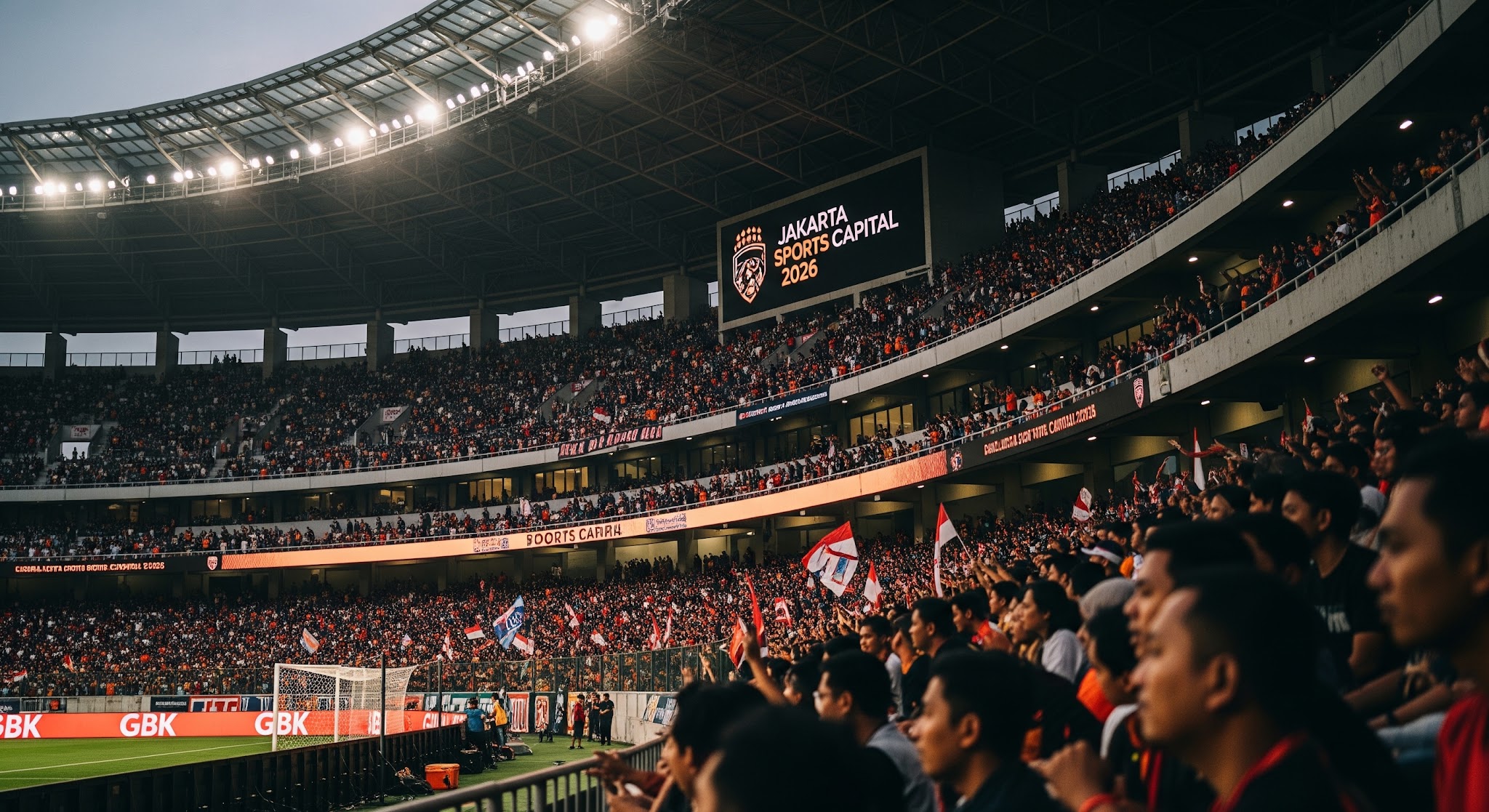
Streaming platforms expanded viewing habits, social media shortened attention spans, and editing apps placed professional tools on every phone. Together these forces push full-length highlight packages toward the sidelines. Modern audiences scroll past five-minute recaps, favoring ten-second crossovers and looping reaction shots delivered in vertical format.
Digital preferences that guide music sampling and online slot game animations now guide sports consumption as well. Clips autoplay without sound while captions summarize context, allowing viewers to collect memorable moments during commutes, coffee lines, or late-night scrolling sessions. The convenience reshapes broadcasting strategies, advertising models, and even coaching decisions.
Attention Economics in Real Time
Live streams compete against endless feeds of comedy skits, cooking hacks, and challenge videos. To survive in that environment, leagues recut matches into snackable servings optimized for algorithms. Editing suites identify viral-ready moments, unexpected nutmegs, buzzer-beater threes, sideline reactions and export them within minutes. By the time traditional highlights premiere on linear television, millions have already shared compressed versions.
Immediate Advantages Driving the Shift
Platform Compatibility
Vertical framing sits naturally inside smartphone apps, removing the need to rotate screens.
Shareability
Clips under thirty seconds embed into group chats and story features, multiplying reach without paid promotion.
Personalization
Algorithms learn club preference, favorite athletes, and length tolerance, serving tailored sequences instead of generic reels.
Low Data Requirements
Short files load quickly on limited connections, opening emerging markets where broadband stays expensive.
Cross-Genre Appeal
Edits mix game audio with trending songs, reaching users who follow music or fashion accounts more than sports pages.
These advantages encourage rights holders to treat matches as content mines rather than singular events. Editors inside control rooms now tag potential viral frames as part of live workflows.
Algorithms as New Gatekeepers
Recommendation engines rank posts by predicted engagement. Emotional spikes such as shock, humor, or awe earn higher placement, so sports organizations deliberately package footage around those triggers. A goalie’s improbable save spreads faster when freeze-frame text and zooming effects add suspense. The practice influences player celebrations and broadcasting angles, demonstrating a feedback loop where style adapts to distribution mechanics.
Sponsorship deals adjust accordingly. Brands negotiate overlay placement within micro-videos, valuing initial three-second windows more than halftime billboards. Measurement tools count loop repetitions and replay percentages, delivering granular insight previously impossible with conventional ratings.
Coaching and Athlete Branding
Teams encourage athletes to maintain personal highlight channels. Quick releases of training feats or locker-room challenges build fan loyalty and attract scouts in development leagues. Analytics staff review clip engagement to gauge public interest ahead of merchandising campaigns.
Opponents exploit the same data. Scouting departments parse social feeds for tendencies revealed in flashy practice clips. A player who often posts step-back threes might reveal a favored pivot foot, providing tactical edges.
Long-Term Considerations for Stakeholders
Context Preservation
Oversimplified cuts risk erasing tactical nuances; leagues need supplementary deep-dive content for dedicated supporters.
Monetization Balance
Excessive pre-roll ads on six-second clips frustrate viewers; subtle sponsorship overlays maintain flow.
Athlete Mental Health
Viral culture amplifies mistakes alongside successes, requiring robust support networks.
Archival Integrity
Cloud storage policies must ensure short clips remain traceable to full broadcasts for historical research.
Algorithmic Fairness
Lesser-known teams may struggle for exposure if engagement metrics alone decide distribution; equitable curation strategies help broaden representation.
Spacing this second list well after the first prevents information overload and mirrors production timelines where initial excitement gives way to strategic planning.
Implications for Traditional Broadcasters
Networks still possess premium rights and infrastructure, yet must adapt. Many launch clip-first channels that debut footage on social platforms before evening highlight shows. On-air personalities record vertical greetings between studio segments, aligning tone with mobile audiences. Revenue models shift from bundled cable fees toward programmatic advertising and subscription micro-payments tied to exclusive angles or extended analysis.
Commentary style evolves, too. Fast-paced narration replaces leisurely buildup. Presenters frame context in one or two sentences, trusting viewers to fill gaps via interactive overlays that link to statistics databases.
The Road Ahead
Augmented reality filters will soon embed live player stats onto short clips, allowing fans to drag sliders that reveal shot velocity or sprint speed. 5G networks will enable real-time multi-angle selection, letting users remix their own bite-sized plays. Machine-learning models already auto-generate highlight reels, freeing editors to focus on creative flair.
Esports provide a glimpse. Competitive gaming platforms package decisive moments into automatic “replay cards” seconds after in-game events, keeping online communities engaged between matches. Traditional sports leagues adopt similar pipelines, ensuring relevance in an environment where novelty cycles accelerate.
Conclusion
Short-form sports content rises because it satisfies immediate consumption habits shaped by mobile interfaces and algorithmic feeds. Benefits such as shareability, personalization, and low data demand outweigh the nostalgia of longer highlight reels. Stakeholders who balance rapid distribution with context preservation and ethical considerations will gain audience loyalty and commercial success. As technology continues to shrink production cycles, the definition of a “highlight” will keep evolving, but the objective stays constant: deliver the thrill of competition exactly where modern viewers look first.