Introduction: Why Sports Matter More Than Ever
Sports have always been an essential part of human life. They bring people together, encourage healthy competition, and inspire individuals to push beyond their limits. Whether played professionally or recreationally, sports contribute to physical fitness, mental strength, teamwork, and personal growth. In today's fast-paced world, where many people spend long hours sitting in front of screens, participating in sports has become even more important. Regular involvement in sports improves overall well-being while teaching valuable life skills that extend far beyond the playing field.
Physical Fitness Begins with Active Participation
One of the greatest benefits of sports is improved physical health. Playing sports regularly strengthens muscles, improves cardiovascular health, increases flexibility, and enhances endurance. Activities such as football, basketball, swimming, tennis, cricket, and athletics require continuous movement that helps burn calories and maintain a healthy body weight. Regular physical activity also lowers the risk of chronic diseases, including heart disease, diabetes, and obesity. A physically active lifestyle helps individuals remain energetic and productive throughout their daily lives.
Sports Improve Mental Health and Emotional Well-Being
The positive effects of sports are not limited to the body. Physical activity also has a powerful impact on mental health. During exercise, the body releases endorphins, often called "feel-good hormones," which help reduce stress, anxiety, and depression. Participating in sports provides an opportunity to relax, clear the mind, and escape everyday pressures. Athletes often experience improved self-confidence, emotional resilience, and greater motivation, making sports an excellent tool for maintaining mental well-being.
Teamwork Creates Stronger Relationships
Many sports require players to work together toward a common objective. Team sports such as football, volleyball, basketball, and hockey teach individuals how to communicate effectively, trust one another, and cooperate under pressure. Every player has a specific role, and success depends on collective effort rather than individual achievement. These experiences develop interpersonal skills that prove valuable in schools, workplaces, and everyday social interactions.
Discipline Becomes a Lifelong Habit
Success in sports requires commitment, consistency, and self-control. Athletes follow structured training schedules, maintain healthy diets, practice regularly, and continuously work to improve their performance. This disciplined approach helps develop habits that carry over into other areas of life. Students who participate in sports often learn effective time management, goal setting, and personal responsibility. These qualities contribute to academic success and professional growth throughout adulthood.
Sports Teach the Value of Winning and Losing
Every competition produces both winners and losers, making sports an excellent teacher of life's realities. Winning encourages confidence and celebrates hard work, while losing teaches resilience, humility, and determination. Athletes learn that setbacks are temporary and that improvement comes through persistence and dedication. Accepting defeat gracefully and learning from mistakes helps individuals develop emotional maturity and a positive attitude toward future challenges.
He had a massive heart, a heart big enough to hold all the sorrow of the world. All that is gold does not glitter. In the beginning God created the heaven and the earth.
Youth Development Through Sports Participation
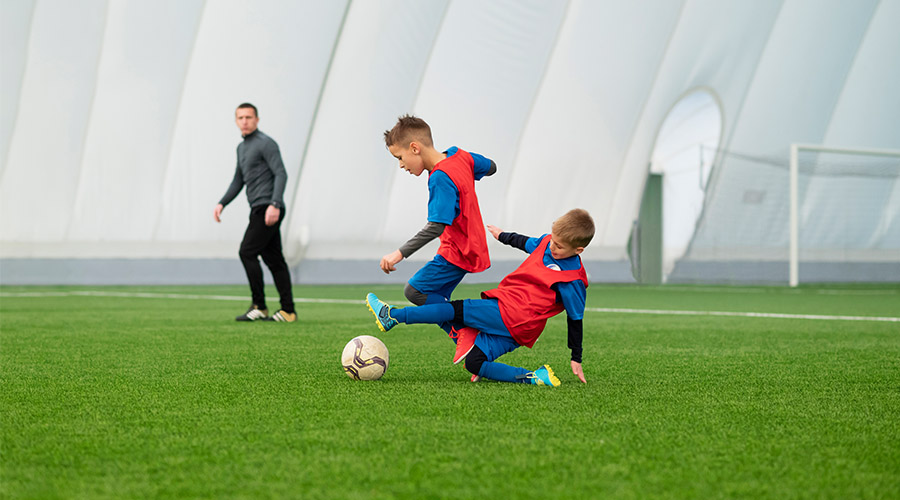
Sports play a significant role in the healthy development of children and teenagers. Young athletes improve coordination, balance, strength, and motor skills while building self-esteem through achievement. Participation in sports also encourages positive social interactions, helping children form friendships and develop communication skills. Organized sports provide a structured environment that keeps young people engaged in productive activities while reducing the likelihood of unhealthy habits and excessive screen time.
Sports Build Leadership and Confidence
Athletes frequently face situations that require quick decision-making, responsibility, and leadership. Team captains and experienced players motivate teammates, solve problems, and lead by example. These experiences strengthen leadership abilities and boost confidence both on and off the field. Even individual sports encourage athletes to take responsibility for their own performance, building independence and self-belief that benefits future careers and personal development.
International Sports Unite People Across Cultures
Sports have a unique ability to connect people from different countries, cultures, and backgrounds. International competitions create opportunities for nations to celebrate talent while promoting friendship and mutual respect. Events such as the Olympic Games, the FIFA World Cup, and international cricket tournaments bring millions of fans together regardless of language, religion, or nationality. Sports demonstrate that healthy competition can strengthen global unity while celebrating diversity.
Technology Is Transforming Modern Sports
Advancements in technology have changed the way sports are played, analyzed, and enjoyed. Athletes now use wearable fitness trackers, performance analytics, video review systems, and advanced training equipment to improve their skills. Fans enjoy live streaming, instant statistics, and virtual experiences that bring them closer to their favorite teams and players. Technology has increased fairness in officiating while helping coaches make informed decisions based on detailed performance data.
Sports Create Career Opportunities Beyond Playing
The sports industry offers numerous career paths beyond becoming a professional athlete. Opportunities exist in coaching, sports medicine, physical therapy, fitness training, sports journalism, event management, marketing, broadcasting, nutrition, and sports psychology. As the global sports industry continues to grow, it creates employment opportunities for people with diverse talents and educational backgrounds. Passion for sports can lead to rewarding careers both on and off the field.
Conclusion: Sports Shape Better Individuals and Stronger Communities
Sports are far more than games or entertainment. They promote physical fitness, strengthen mental health, teach discipline, encourage teamwork, and develop leadership qualities that last a lifetime. They help children grow into responsible adults, unite communities through shared experiences, and inspire millions to pursue excellence with determination and integrity. Whether someone competes professionally or simply enjoys recreational activities, participating in sports contributes to a healthier, happier, and more balanced life. Making sports a regular part of everyday living is one of the most valuable investments anyone can make in their future.