|
Brand Name |
IndiGo (operated by InterGlobe Aviation Limited) |
|
Airline Type |
Low-cost hybrid carrier |
|
Founded |
2005; commercial operations began 4 August 2006 |
|
Founders |
Rahul Bhatia (InterGlobe Enterprises) and Rakesh Gangwal |
|
Headquarters |
Gurugram, Haryana, India |
|
IATA / ICAO Code |
6E / IGO |
|
Primary Hub |
Indira Gandhi International Airport, Delhi |
|
Fleet Size |
Over 430 aircraft, mostly Airbus A320 family, plus ATR 72-600 turboprops and leased wide-bodies |
|
Network |
Roughly 90-plus domestic and 40-plus international destinations |
|
Domestic Market Share |
Around 63 to 64 percent as of early 2026, the largest in India |
|
Loyalty Programme |
IndiGo BluChip; co-branded credit cards with banking partners |
|
Leadership (2026) |
CEO transition underway; Willie Walsh appointed to take over later in 2026 after the resignation of Pieter Elbers |
|
Stock Listing |
NSE: INDIGO | BSE: 539448 |
|
Website |
www.goindigo.in |
|
ICON POLLS Rating |
2.6 out of 5.0 |
IndiGo Check-In
Check-in is mostly a self-service affair, and that is by design. For most travellers the expectation is that you check in online and arrive at the airport with a boarding pass already on your phone.
Web check-in windows
Domestic flights: web check-in opens 48 hours before departure and closes 60 minutes before departure.
International flights: web check-in opens 24 hours before departure and closes 75 minutes before departure.
Airport counter check-in is available up to 60 minutes before domestic departures and 75 minutes before international departures.
The process itself is short. You enter your PNR, which is the six-character booking reference, along with the last name on the booking, pick your passengers, choose a seat and confirm. The boarding pass can be downloaded as a PDF, added to a phone wallet, printed, or sent through email, SMS or WhatsApp. There is also an auto check-in option that simply assigns you a seat and sends the boarding pass a few hours before departure.
One recurring complaint we noticed is the seat selection nudge. During web check-in the airline highlights paid seats first, and the free standard-seat option is less obvious. It is there, usually as a skip or auto-assign choice, but you sometimes have to look for it. Passengers who need a counter check-in, such as unaccompanied minors, those needing medical or wheelchair assistance, and a few special fare categories, are not eligible for the online window. Overall check-in is efficient when it works as intended, but the design clearly pushes you toward spending more.
IndiGo Board Pass (Boarding Pass)
Searches for IndiGo board pass usually mean the boarding pass, and occasionally the airline's contactless check-in feature. Here is the practical picture. Once web check-in is done, your boarding pass is issued digitally. The mobile boarding pass, whether as a PDF or stored in a phone wallet, is accepted at the airport, and a printout works too. If you prefer a physical pass, the airport counter can still issue one.
The airline also promotes a smart, contactless check-in route where the pass lands on your WhatsApp number or email without you queueing at a counter at all. For a cabin-baggage-only traveller this is genuinely smooth, you can move straight to security. If you have bags to check, you still need to visit the baggage drop counter. The technology here is fine. The friction, when it appears, is almost always at the human and operational layer rather than the digital pass itself.
IndiGo Customer Care
This is the section that pulled our rating down the most, and it is the area where reader frustration was loudest.
On paper, IndiGo offers plenty of contact routes. There is a phone helpline, a WhatsApp service, an email route to the customer relations team, an AI chatbot branded 6Eskai, and an in-app and on-site chat option. Stretch, the airline's premium product, comes with a dedicated customer experience team. For simple questions, the chatbot and self-service tools handle things reasonably well.
The problem shows up the moment a query becomes complicated. Across independent review platforms, the recurring themes are hard to miss. Passengers describe being passed between multiple agents, receiving templated replies that do not resolve anything, and waiting far longer than promised for refunds and damage claims to be settled. Several reviewers specifically mention refund timelines stretching well beyond the windows they were quoted, and international passengers report particular difficulty getting issues resolved. It is worth saying that there are also positive testimonials, especially praising individual cabin and ground crew who went out of their way to help. But individual kindness is not the same as a system that works, and the system is where IndiGo is currently falling short.
Bottom line on customer care: acceptable for routine queries, genuinely weak once money or a real problem is involved. Keep every reference number, take screenshots, and escalate in writing if you hit a wall.
The Overall IndiGo Experience
So what is it actually like to fly IndiGo in 2026? For a short domestic hop that goes to plan, the experience is perfectly fine. The aircraft are clean, the cabin crew are generally courteous and often genuinely warm, seat pitch is reasonable for a budget carrier, and the all-economy setup on most aircraft means no fuss. You get what you pay for, and the price is usually good.
The experience drops sharply the moment something deviates from the plan. Independent traveller ratings for the airline tend to land in the middling range, and the negative reviews cluster around the same themes. Delays and reschedules handled with little communication or care, baggage issues, chaotic boarding at busy airports, and an after-sales process that wears people down. In-flight entertainment is minimal, food and drink are paid extras on most flights, and long-haul travellers in particular note that the onboard product is basic for the distance.
The honest summary is that IndiGo is an airline you can rely on right up until you cannot, and in 2026 the gap between those two states feels wider than it used to. If your trip is simple and everything runs smoothly, you will probably walk away content. If you are travelling on tight connections, carrying valuable baggage, or flying during a peak period, you are carrying more risk than the brand's old reputation would suggest.
Who Should Fly IndiGo, and Who Should Think Twice
Good fit for: budget-conscious domestic travellers, anyone who values having lots of flight times to choose from, and people taking simple point to point trips with light luggage.
Think twice if: you are on tight connections, travelling during a peak season, carrying fragile or valuable baggage, or you simply want the reassurance of strong after-sales support if something goes wrong. Travel insurance is a sensible add-on either way.
IndiGo 2026: Frequently Asked Questions
1. Is IndiGo a good airline to fly with in 2026?
It depends on the trip. For cheap, frequent domestic flights that run to schedule, IndiGo is a reasonable choice and remains India's largest carrier. But after the major flight cancellation crisis of December 2025 and ongoing questions about reliability and customer care, it is no longer the safe default it once was. Our ICON POLLS rating is 2.6 out of 5, which we would describe as capable but currently unsteady.
2. Why did IndiGo cancel so many flights, and could it happen again?
In December 2025 the airline cancelled thousands of flights over roughly ten days because it was not adequately prepared for new pilot duty and rest rules that limited crew working hours. The regulator granted temporary exemptions and the airline says it is fixing its crew planning, but the corrective process and a leadership change are still ongoing in 2026, so some uncertainty remains, especially during peak periods.
3. What colour is associated with IndiGo, and what does its logo mean?
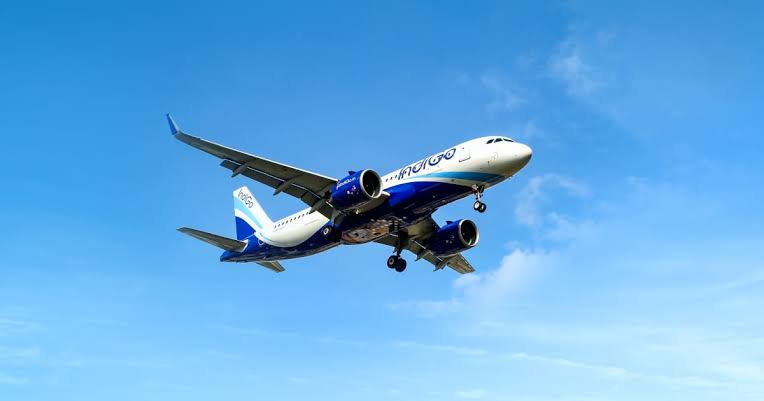
IndiGo's signature colour is indigo, a deep blue that leans toward violet and is generally linked with trust and calm. The aircraft livery uses indigo with sky blue accents, and the logo is twenty white dots arranged into the shape of an aircraft taking off. It is one of the most recognisable brand identities in Indian aviation.
4. How do I do IndiGo web check-in and when does it open?
For domestic flights, web check-in opens 48 hours before departure and closes 60 minutes before. For international flights it opens 24 hours before and closes 75 minutes before. Go to the IndiGo website or app, enter your PNR and the last name on the booking, choose your passengers and seat, and download or receive your boarding pass. Standard seats are free, but the system often highlights paid seats first, so look for the skip or auto-assign option.
5. Is the IndiGo mobile boarding pass accepted at the airport?
Yes. After web check-in, your digital boarding pass, either as a PDF or saved in a phone wallet, is accepted at the airport, and a printout works too. If you prefer a physical pass you can still get one at the counter. If you have only cabin baggage, you can usually head straight to security.
6. How do I contact IndiGo customer care, and is it reliable?
IndiGo offers a phone helpline, a WhatsApp service, an email route to customer relations, an AI chatbot called 6Eskai, and in-app chat. Simple queries are handled reasonably well. However, many passengers report frustration with complex issues, including being passed between agents and slow responses, so for anything serious, keep all reference numbers and follow up in writing.
7. How long does an IndiGo refund take in 2026?
IndiGo's stated timelines are generally around 7 to 15 working days for card payments, with other payment methods sometimes taking longer. In practice, a significant number of passengers report waiting well beyond those windows, particularly for international bookings and damage claims. Eligibility and any cancellation fee depend on your fare type, since some fares are non-refundable.
8. Who owns IndiGo and who is the CEO in 2026?
IndiGo is operated by InterGlobe Aviation Limited and was co-founded in 2005 by Rahul Bhatia and Rakesh Gangwal. In 2026 the airline is going through a leadership transition. Following the resignation of chief executive Pieter Elbers in early 2026, aviation veteran Willie Walsh was appointed to take over the CEO role later in the year.
9. Is IndiGo cheaper than other Indian airlines?
Generally yes, IndiGo's base fares are among the most competitive in the Indian market, and its large network means more departures to choose from. Just remember that the headline price is usually the bare fare. Seat selection, extra baggage, meals and priority services are paid add-ons, so compare the final total rather than the starting price.
10. Does IndiGo fly international and long-haul routes?
Yes. Alongside its large domestic network, IndiGo flies to more than 40 international destinations and has been expanding into longer-haul flying, including routes into Europe, using leased wide-body aircraft. The onboard product on these longer flights is fairly basic for the distance, with limited entertainment and paid meals on most services, so set expectations accordingly.