|
Profile Item |
ICON POLLS Findings |
|
Name |
Openbox, commonly searched as OpenBox AI or Openbox Linux depending on user intent |
|
Main category reviewed |
AI developer tooling and container-based coding-agent workflow |
|
Related search topics |
App, AI, GitHub, Linux, user experience, install, docs, alternatives |
|
Public positioning |
AI agents running in isolated containers on a codebase |
|
Best fit |
Developers, technical founders, DevOps users, and AI coding-agent testers |
|
Not ideal for |
Non-technical users looking for a simple consumer app |
|
Linux relevance |
Strong, because containers, shells, command-line workflows, and the older Openbox Linux window manager all appear in search intent |
|
GitHub visibility |
OpenBox AI has public GitHub presence, but the visible public footprint appears small compared with mature developer tools |
|
ICON POLLS rating |
2.2 out of 5 |
Openbox App

As an app experience, OpenBox AI looks more like a command-line developer workflow than a polished consumer application. The product language around running agents in containers suggests a tool that starts from the terminal, connects to a local codebase, and lets the user decide whether to sync changes back into the project. That is useful for technical users, but it is not the same thing as a clean mobile app or a simple web dashboard.
This is why the app score is low. Openbox may be practical for developers who understand Docker, repositories, prompts, and agent behavior, but it does not yet read like a product built for broad mainstream adoption. For a 2026 user expecting a one-click app, the learning curve may feel high.
Openbox AI
The AI idea behind OpenBox AI is clear enough: let developers run coding agents in isolated containers so experiments do not immediately touch the original system. In plain language, that means the AI can work inside a controlled box, make changes, run commands, and then ask the user whether the changes should be synced back. This is a smart direction because AI coding tools can be risky when they write directly into active projects.
Still, the 2026 question is not only whether the idea is good. The question is whether the product has enough public proof, documentation, community adoption, examples, stability, and trust. On that point, ICON POLLS found the signal limited. The public-facing pitch is interesting, but the visible footprint does not yet feel strong enough to rate it as a mature AI development product.
Openbox GitHub
GitHub is important for this kind of product because developers want to inspect code, check activity, review issues, and see whether people are actually building with it. OpenBox AI has public GitHub visibility, including repositories around documents, SDKs, and proof-of-concept agent work. That is a positive sign.
The weakness is scale. Public repository signals visible in search look small, with limited stars, forks, and wider community conversation compared with better-known AI coding tools. For early adopters, that may be acceptable. For companies, it raises normal questions about maintenance, security review, roadmap, and long-term support.
Openbox Linux
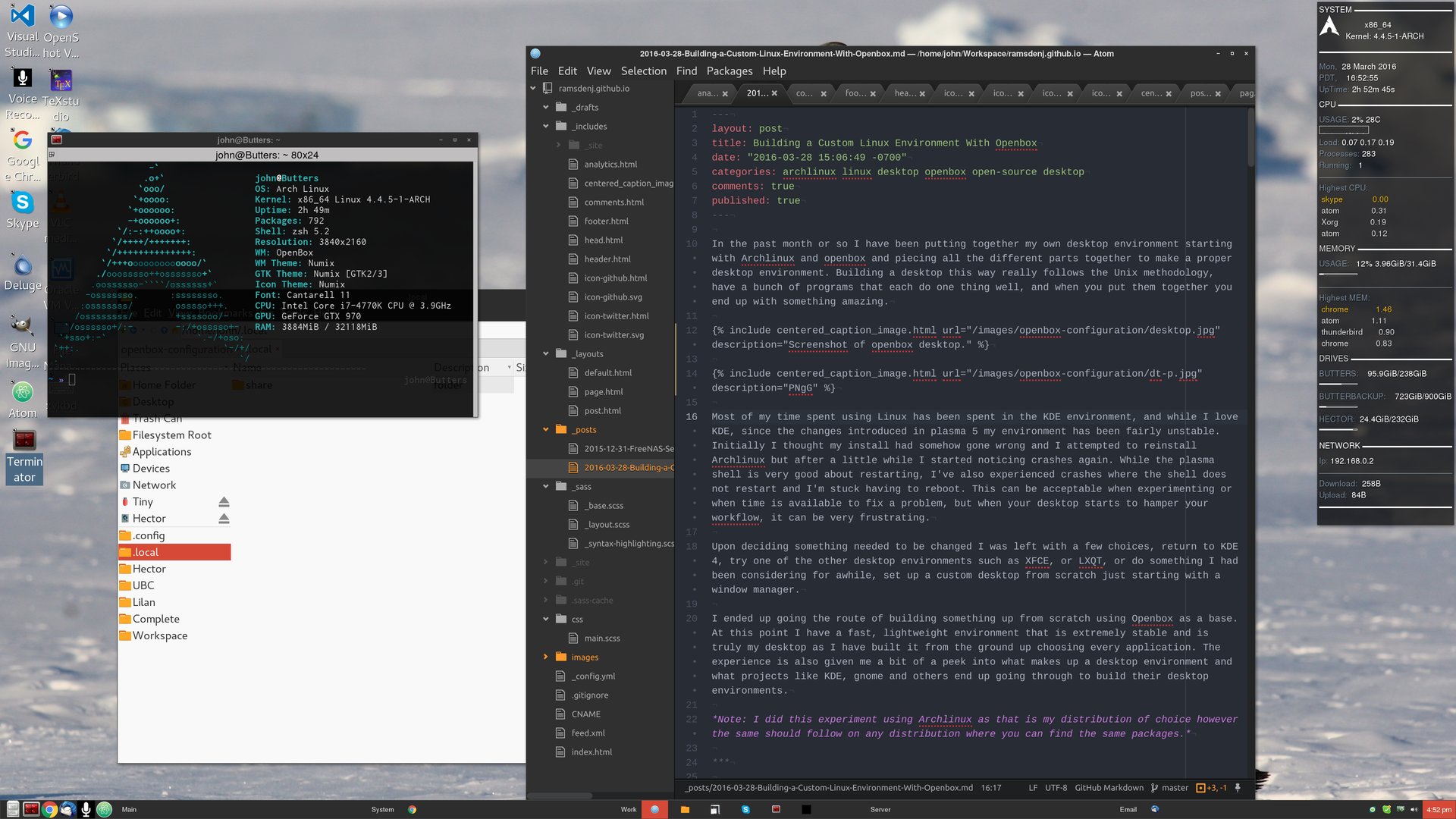
Linux is where the name Openbox becomes most complicated. The traditional Openbox is a Linux and Unix-style window manager, used by people who want a lightweight desktop setup. It has a long history, strong customization culture, and a different audience from AI coding tools. Users searching for Openbox Linux may not be looking for OpenBox AI at all.
For OpenBox AI, Linux still matters because the workflow appears close to shells, containers, repositories, and development environments. It should appeal most to Linux-friendly developers, DevOps users, and people already comfortable with command-line tools. But for a general Linux desktop user, it may not answer the same need as the classic Openbox window manager.
User Experience
The user experience is where Openbox loses the most points in this review. The best part is the concept: isolate the agent, let it work, then review the output before syncing. That is sensible. The weaker part is the surrounding clarity. A good 2026 developer tool needs clean onboarding, obvious install steps, strong examples, transparent pricing or usage cost, and clear security language.
From a user point of view, Openbox feels more like an early technical product than a finished platform. The right user may enjoy that. Someone who wants to test agents safely could find value in it. But less technical teams may struggle to understand what is happening, why containers are required, how safe the workflow is, and whether the tool is production-ready.
Pros and Cons
What We Like
The isolated-container idea is useful for AI coding workflows.
It fits a real developer concern: AI agents should not freely change production workspaces.
The product direction makes sense for Linux, Docker, and command-line users.
Public GitHub presence gives technical users something to inspect.
What Needs Work
Brand search is confusing because Openbox already means a Linux window manager to many users.
The public community signal appears small in 2026.
The product may feel too technical for ordinary app users.
Trust, documentation, roadmap, and security messaging need to be stronger.
The visible user experience does not yet justify a higher rating.
ICON POLLS Verdict
ICON POLLS rates Openbox 2.2 out of 5 in 2026. The idea is not bad. In fact, the core concept of putting AI agents inside controlled containers is sensible and timely. The low score comes from the product's early-stage feel, limited public proof, unclear mass-market experience, and brand confusion with the older Openbox Linux project.
Our verdict is simple: Openbox is worth watching if you are a developer exploring AI coding agents, but it is not yet a tool we would recommend broadly to non-technical users or teams that need a polished, proven, low-risk platform today.
Openbox FAQs
1. What is Openbox in 2026?
Openbox can refer to more than one thing. In this review, ICON POLLS focuses mainly on OpenBox AI, a developer-focused AI tool concept connected with running coding agents in isolated containers. The older Openbox is a separate Linux window manager.
2. Is Openbox an AI app?
OpenBox AI appears to be an AI developer tool rather than a normal consumer app. It is aimed at users who work with codebases, agents, prompts, and containers.
3. Is Openbox the same as the Openbox Linux window manager?
No. The classic Openbox Linux window manager is a lightweight desktop window manager. OpenBox AI is a newer AI tooling concept. Search results can mix both, so users should check the exact website or repository before installing anything.
4. Does Openbox work on Linux?
The traditional Openbox window manager is strongly associated with Linux. OpenBox AI also appears relevant to Linux users because its workflow is close to terminal, container, and development environments.
5. Is Openbox available on GitHub?
OpenBox AI has public GitHub presence, but the visible footprint appears small compared with mature developer platforms. Users should review repository activity, license, documentation, and issues before depending on it.
6. Is Openbox good for beginners?
Not really. Based on the 2026 public signal, OpenBox AI is better for technical users. Beginners may find the setup and workflow confusing unless they already understand coding agents and containers.
7. Why did ICON POLLS rate Openbox 2.2 out of 5?
We rated it 2.2 because the idea is promising but the product signal is still limited. Brand confusion, small public adoption signs, and a technical user experience kept the score low.
8. Is Openbox safe to use?
The isolated-container approach is designed to reduce risk, but users should still be careful. Review permissions, repositories, generated changes, secrets handling, and sync behavior before using it on serious work.
9. What is the main advantage of Openbox?
The main advantage is the idea of letting AI agents work in an isolated environment before changes are accepted into the main codebase. That can make AI coding experiments easier to control.
10. What is the main disadvantage of Openbox?
The main disadvantage is maturity. In 2026, OpenBox AI does not yet look as publicly proven or beginner-friendly as stronger developer tools in the AI coding space.
11. Is Openbox free?
Public search results do not give enough confidence to state a final pricing position for every Openbox-related product. Users should check the official OpenBox AI website or GitHub repository for current pricing and license details.
12. Should developers try Openbox in 2026?
Developers who enjoy testing early AI tooling may try it in a safe project or sandbox. Teams handling client work, private code, or production systems should review security and reliability carefully first.