The chemistry fight is over. Lithium iron phosphate (LFP) now sits inside almost every serious home battery, and that changes how you should shop. You're no longer betting on whether the cells will last. You're choosing an ecosystem, a warranty and a price per kilowatt hour you can live with for a decade or more.
That sounds simpler than it is. An installer will happily pitch Tesla, Enphase, FranklinWH, BYD or Sonnen as the obvious answer, but the right battery depends on things only you know: what inverter is already on your roof, whether you want the whole house running in a blackout or just want to dodge peak rates, and how much you're prepared to pay for software polish. This ranking is our editorial read of specifications, warranty terms and typical installed pricing. It isn't a lab test, and every price below is an estimate that will move with your location and installer.
One more thing before the list. For years, home battery payback math leaned on a 30% federal tax credit. The residential version of that credit was ended for homeowner purchases after 2025, so if a quote still assumes it, ask your installer exactly which incentive they're counting on.
The ten, side by side
| Rank | Battery | Chemistry | Capacity | Warranty | Estimated cost | Suits |
|---|---|---|---|---|---|---|
| 1 | Tesla Powerwall 3 | LFP | 13.5 kWh | 10 years | $13,000 to $17,000 installed | Whole home backup |
| 2 | Enphase IQ Battery 5P | LFP | 5.0 kWh per unit | 15 years | $6,000 to $8,000 per unit | Retrofits, modular growth |
| 3 | FranklinWH aPower 2 | LFP | 15 kWh | 12 years | $11,000 to $16,000 | Big capacity in one box |
| 4 | BYD Battery-Box Premium | LFP | 5.1 to 12.8 kWh | 10 years | $5,000 to $10,000 | Tight budgets |
| 5 | Sonnen EcoLinx | LFP | 12 to 30 kWh | 15 years | $12,000 to $36,000 | Smart home buyers |
| 6 | Generac PWRcell | NMC | 9 to 18 kWh | 10 years | $10,000 to $20,000 | Generator owners |
| 7 | SolarEdge Home Battery | LFP | 9.7 kWh | 10 years | $9,000 to $14,000 | Existing SolarEdge systems |
| 8 | Sigenergy | LFP | 6, 10 or 12 kWh modules | 10 years | $8,000 to $14,000 | Modular DC setups |
| 9 | Growatt ARK | LFP | 5.1 to 25.6 kWh | 10 years | $4,000 to $12,000 | Value hunters |
| 10 | SimpliPhi AccESS | LFP | 4.9 to 15.2 kWh | 10 years | $6,000 to $14,000 | Off grid properties |
1. Tesla Powerwall 3: the default for a reason
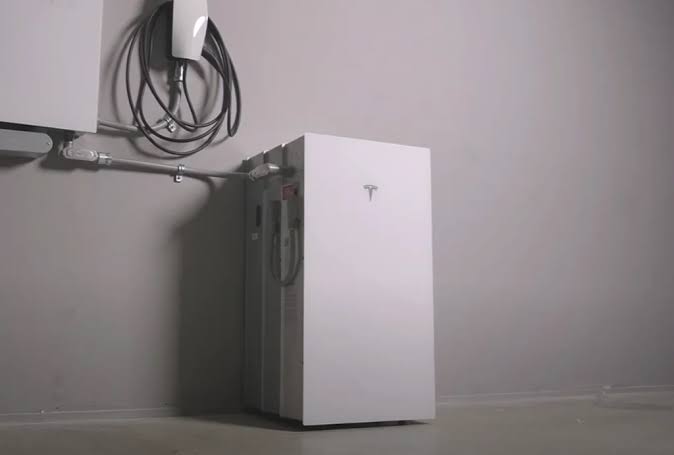
The big change with Powerwall 3 is the built-in 11.5 kW solar inverter. On a new install you can skip a separate string inverter, which trims both cost and clutter. With 13.5 kWh of usable storage and 11.5 kW of continuous output, it handles central air and EV charging without fuss. The app is the best in the class, the warranty covers unlimited cycles for 10 years, and it plugs into virtual power plant programs in several states. If you have no strong reason to pick something else, start here.
2. Enphase IQ Battery 5P: pay more, worry less
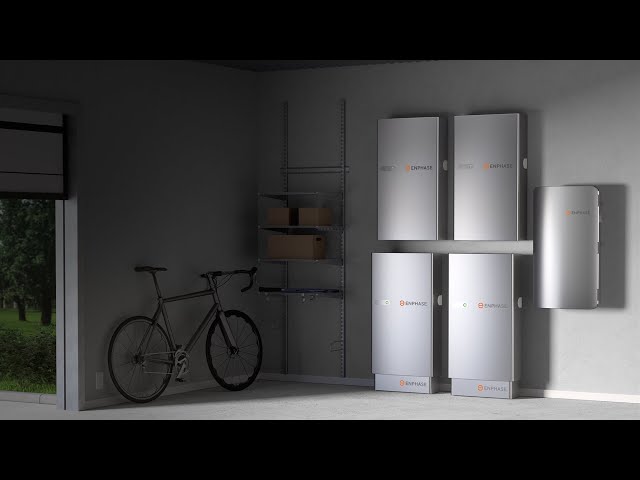
Enphase sells capacity in 5 kWh bricks, and most homes stack two to four. Being AC coupled, it bolts onto almost any existing solar system, whatever the inverter brand. The 15 year warranty ties Sonnen for the longest on this list. The catch is price: expect roughly 30 to 50 percent more per kWh than Tesla. That premium buys flexibility and peace of mind, not extra storage.
3. FranklinWH aPower 2: the one installers are quietly pushing
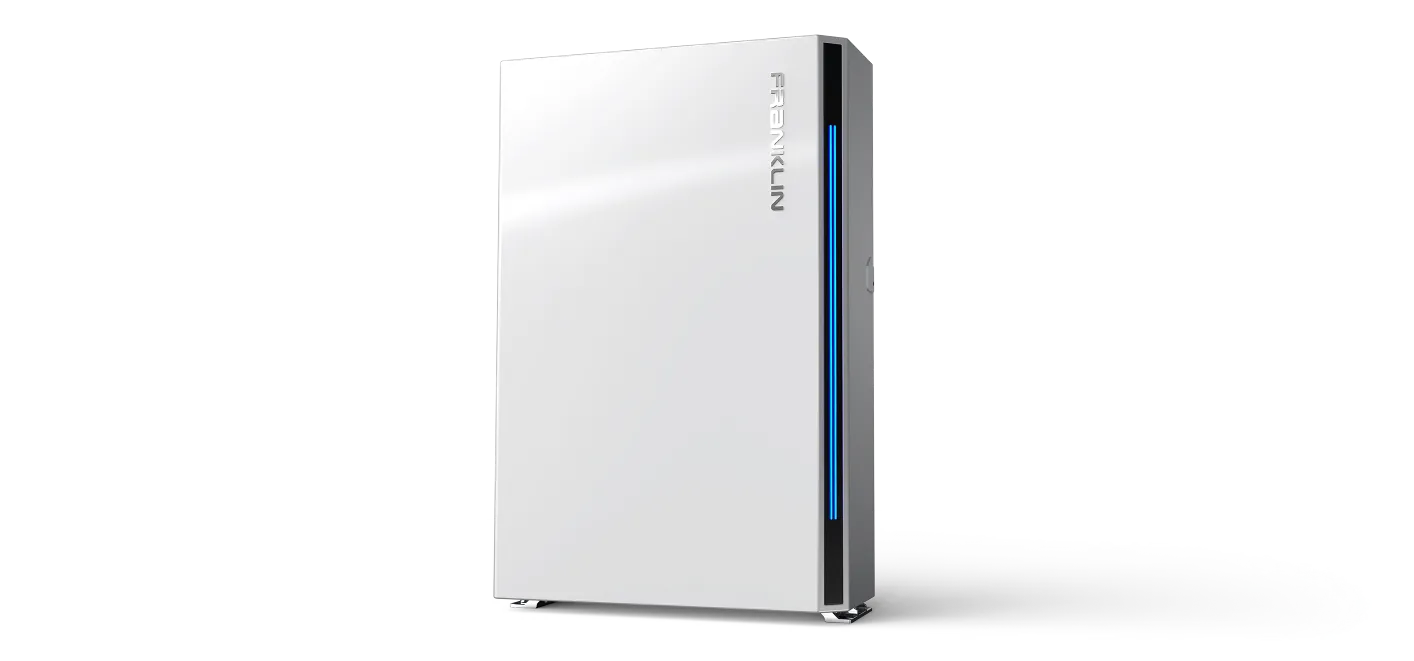
Fifteen kWh in a single unit is more than a Powerwall or an Enphase brick, and at an estimated $733 to $900 per installed kWh it often undercuts Tesla. The aGate controller gives circuit level control, and it works with any solar inverter. The honest risk is youth: fewer installers carry it and long term reliability data is thin. If someone near you installs it well, it's arguably the best value here.
4. BYD Battery-Box: cheap cells, extra homework
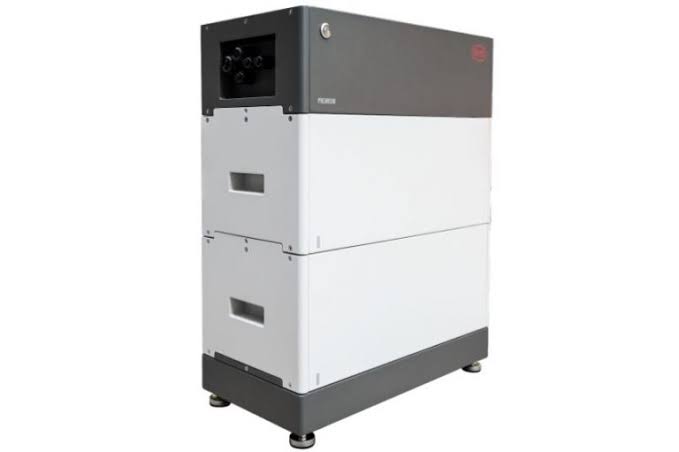
BYD is the world's largest battery maker, and the Battery-Box has been a global staple for years, especially in Europe and Australia. Equipment can run as low as $500 to $800 per kWh. But you'll need a separate hybrid inverter, adding roughly $2,000 to $4,000, so compare full installed quotes rather than the sticker.
5. Sonnen EcoLinx: luxury, priced accordingly
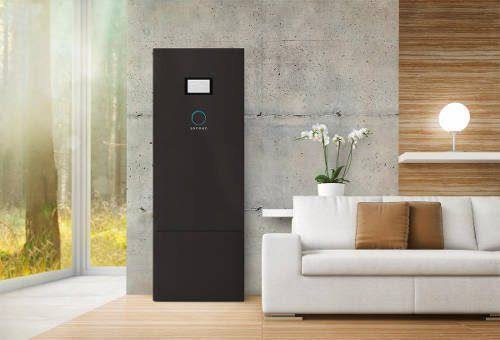
German built, warrantied for 15 years or 15,000 cycles, and smart enough to top itself up before forecast storms. It learns your habits and joins virtual power plant schemes. It's also the most expensive option per kWh on this list by a clear margin. Buy it for the brains, not the economics.
6. Generac PWRcell: for people who already own a generator
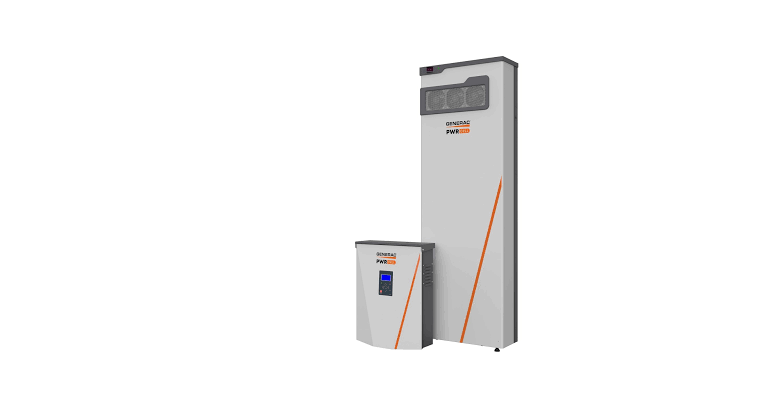
PWRcell scales from 9 to 18 kWh in one cabinet and manages a Generac generator natively. It's the only NMC battery here: denser, but with shorter cycle life than LFP. Generac's huge US service network is a genuine advantage when something breaks in year five.
7. SolarEdge Home Battery: great, if you're already inside the walls
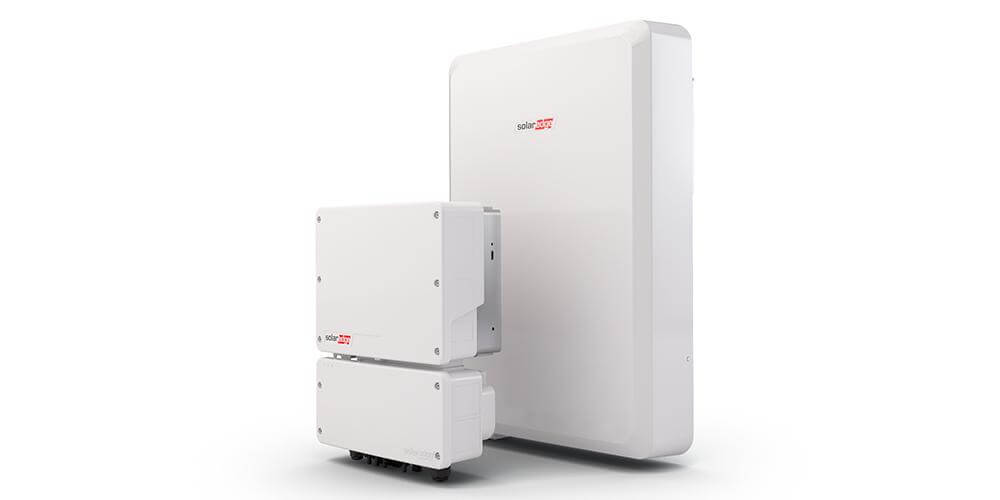
This 9.7 kWh DC coupled unit skips a conversion step, so efficiency is excellent. It only works with SolarEdge inverters, full stop. If that's your roof, it's an easy yes. SolarEdge has also announced a modular platform called Nexis that promises more flexibility.
8. Sigenergy: the clever newcomer
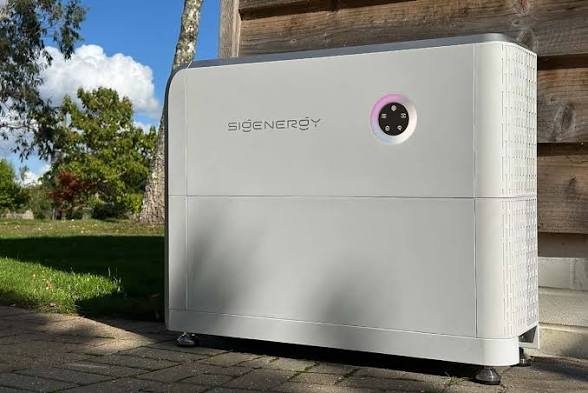
Mix 6, 10 and 12 kWh modules under one controller, swap out a failed part without killing the whole system, and add vehicle to grid through a DC car charger. Modules are backward compatible too. It's smart engineering. Support infrastructure and track record are still catching up.
9. Growatt ARK: the budget pick that isn't flimsy
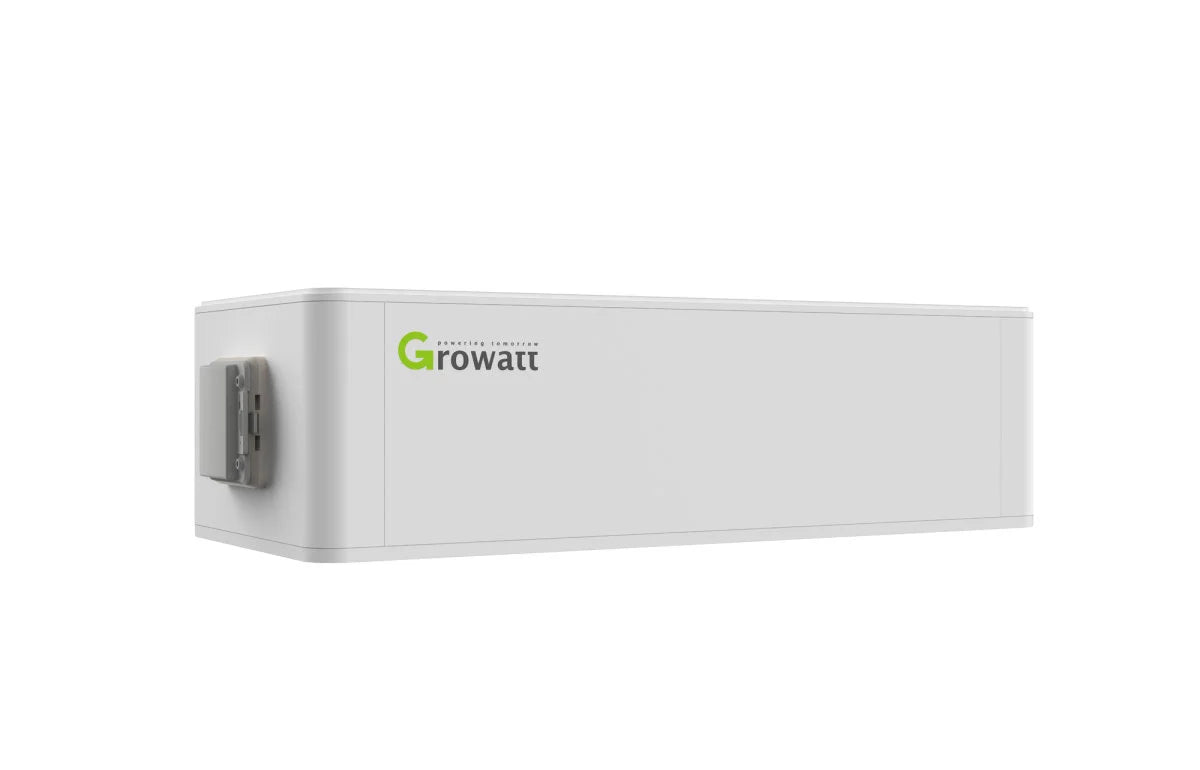
From 5.1 to 25.6 kWh, compatible with many hybrid inverters, and often 20 to 40 percent cheaper installed than Tesla or Enphase. You give up brand recognition and North American support depth. For a tight budget, that's a fair trade.
10. SimpliPhi AccESS: built for the middle of nowhere
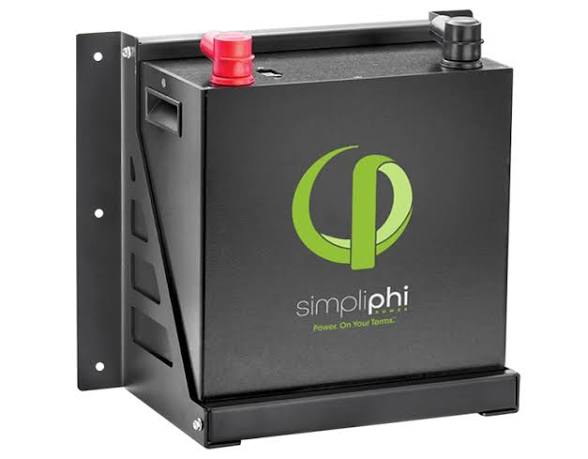
Now part of Briggs and Stratton Energy Solutions, SimpliPhi uses cobalt free LFP that shrugs off temperature swings and deep daily cycling. The software is basic. For cabins, farms and off grid homes, that rarely matters.
Have opinions on tech brands beyond batteries? Browse the latest debates and explore more Icon Polls rankings and reads.
Quick answers
Which battery is the safest all-round choice?
Tesla Powerwall 3, thanks to its built-in inverter, strong output and mature software. FranklinWH is the closest challenger on value.
I already have solar. Which retrofits most easily?
Enphase IQ Battery 5P and FranklinWH aPower 2 both work with existing systems regardless of inverter brand. SolarEdge only makes sense on SolarEdge setups.
Is LFP really better than NMC?
For daily home cycling, generally yes: LFP trades a little energy density for longer cycle life and better thermal stability.