Quick Verdict
We are going to be blunt: Tinder in 2026 is one of the most frustrating apps you can put on your phone. What was once a genuinely fun and novel way to meet people has slowly transformed into a subscription trap designed to keep you swiping and spending rather than actually dating. The free version is borderline unusable for most people, the paid tiers are expensive for what you actually get, fake profiles and bots remain a persistent problem, customer support is nearly nonexistent, and the company's monetization model seems built around exploiting loneliness rather than solving it. We give it 1.0 out of 5. There are better options.
At a Glance: Icon Polls Ratings
Here is how Tinder scored across each area we evaluated in our 2026 research:
|
Category |
Stars |
Score |
|
Free Version Usability |
★☆☆☆☆ |
1/5 |
|
Paid Subscription Value |
★★☆☆☆ |
1.5/5 |
|
Website and App Experience |
★★☆☆☆ |
2/5 |
|
Match Quality |
★★☆☆☆ |
1.5/5 |
|
Safety and Fake Profile Control |
★☆☆☆☆ |
1/5 |
|
Customer Support |
★☆☆☆☆ |
1/5 |
|
Pricing Transparency |
★☆☆☆☆ |
1/5 |
|
Overall |
★☆☆☆☆ |
1/5 |
What Is Tinder?
Tinder launched in 2012 as a project out of a startup incubator in Los Angeles and became the app that essentially invented swipe-based dating. The concept was simple: see a photo, swipe right if interested, swipe left if not. If both people swiped right, they matched and could message each other. It was genuinely new at the time, and for a few years it worked reasonably well.
By 2026, Tinder has been downloaded over 340 million times and is available in 190 countries. It remains the most recognized dating app name in the world. It is owned by Match Group, a corporation that also controls Hinge, OkCupid, Match.com, and several other dating platforms. A single parent company owns most of the major apps you might consider switching to if Tinder disappoints you.
The recognition and download numbers are impressive on paper. The actual daily experience of using Tinder in 2026 is a different story. This review covers what the app looks like today, what you get for free versus what costs money, how the website works, what real users are saying, and whether any of it is worth your time.
The Free Version: What You Actually Get
The free version of Tinder in 2026 is not what it used to be. The company has spent years slowly moving features that were once free into paid tiers, and the result is a free experience that feels deliberately crippled.
On the free plan, you can create a profile with up to nine photos and a short bio, swipe on profiles within a set distance, match with people who also swiped right on you, and send messages to those matches. That sounds reasonable until you hit the daily swipe limit, which Tinder does not publicly advertise but has been widely reported by users as somewhere around 100 right swipes per 12-hour period. Hit the limit and the app stops showing you new profiles until the clock resets.
You also get exactly one Super Like per day on the free plan, no ability to see who has already liked you, no access to Top Picks, no Passport to swipe in other locations, and no rewind if you accidentally swipe left on someone. Ads appear throughout the free experience. And if your account gets placed into a lower visibility tier by Tinder's internal algorithm, you could be swiping for days with very little to show for it.
The algorithm assigns your profile a visibility score based on how others interact with it. New accounts get a temporary boost when they first join. Once that boost expires, visibility drops significantly for most users unless they are consistently receiving likes. This creates a system where the people already getting the most attention get shown to even more people, and everyone else gradually disappears into the bottom of the stack.
For most average users, especially men in competitive urban markets, the free version of Tinder produces negligible results. The experience is designed to create enough frustration that paying for a subscription feels like a reasonable solution. It often is not.
Paid Subscriptions: Expensive, Confusing, and Disappointing
Tinder offers three paid tiers. Here is what they cost at standard pricing as of 2026, noting that Tinder uses dynamic pricing, meaning you may be charged more or less based on your age, location, and account history:
|
Tier |
Monthly (1-month) |
Key Features Added |
|
Tinder Plus |
$24.99/mo |
Unlimited likes, ad removal, Rewind, Passport to swipe globally |
|
Tinder Gold |
$39.99/mo |
Everything in Plus, plus see who liked you, Top Picks daily, more filters |
|
Tinder Platinum |
$49.99/mo |
Everything in Gold, plus Priority Likes, message before matching, see past 7 days of sent likes |
Standard US rates. Dynamic pricing means older users and users in certain cities pay significantly more. 6-month and 12-month plans reduce the monthly rate.
At face value, $25 to $50 a month to improve your chances sounds like it might be worthwhile. In practice, based on feedback from hundreds of users reviewed across Trustpilot, Reddit, and consumer forums, paying for Tinder rarely delivers the results the pricing implies.
The core problem is that the features unlocked by paid tiers do not fix the underlying issues with the platform. Seeing who liked you, the headline Gold feature, only helps if the people who liked you are people you would actually want to meet. For many users, particularly men, the likes received on paid plans are largely from accounts that are either fake, inactive, or clearly not genuine matches. Paying $40 a month to reveal a list of bot accounts is not a value proposition.
Tinder Platinum can cost even more for users over 30 due to dynamic pricing. It lets you send a message before matching, which sounds useful until you realize that many people will simply ignore an unsolicited message from an unmatched profile. The conversion rate on this feature, based on user reports, is very low.
The dynamic pricing element deserves direct attention. Tinder has acknowledged using age and location as pricing variables. This means a 32-year-old in New York City might pay more for Tinder Gold than a 22-year-old in a smaller market. The company does not explain this in plain language before you subscribe. Multiple users only discovered this disparity when comparing notes with friends. Charging different people different prices for the same product without clear disclosure damages trust in a way that is hard to recover from.
The App and Website Experience
The App
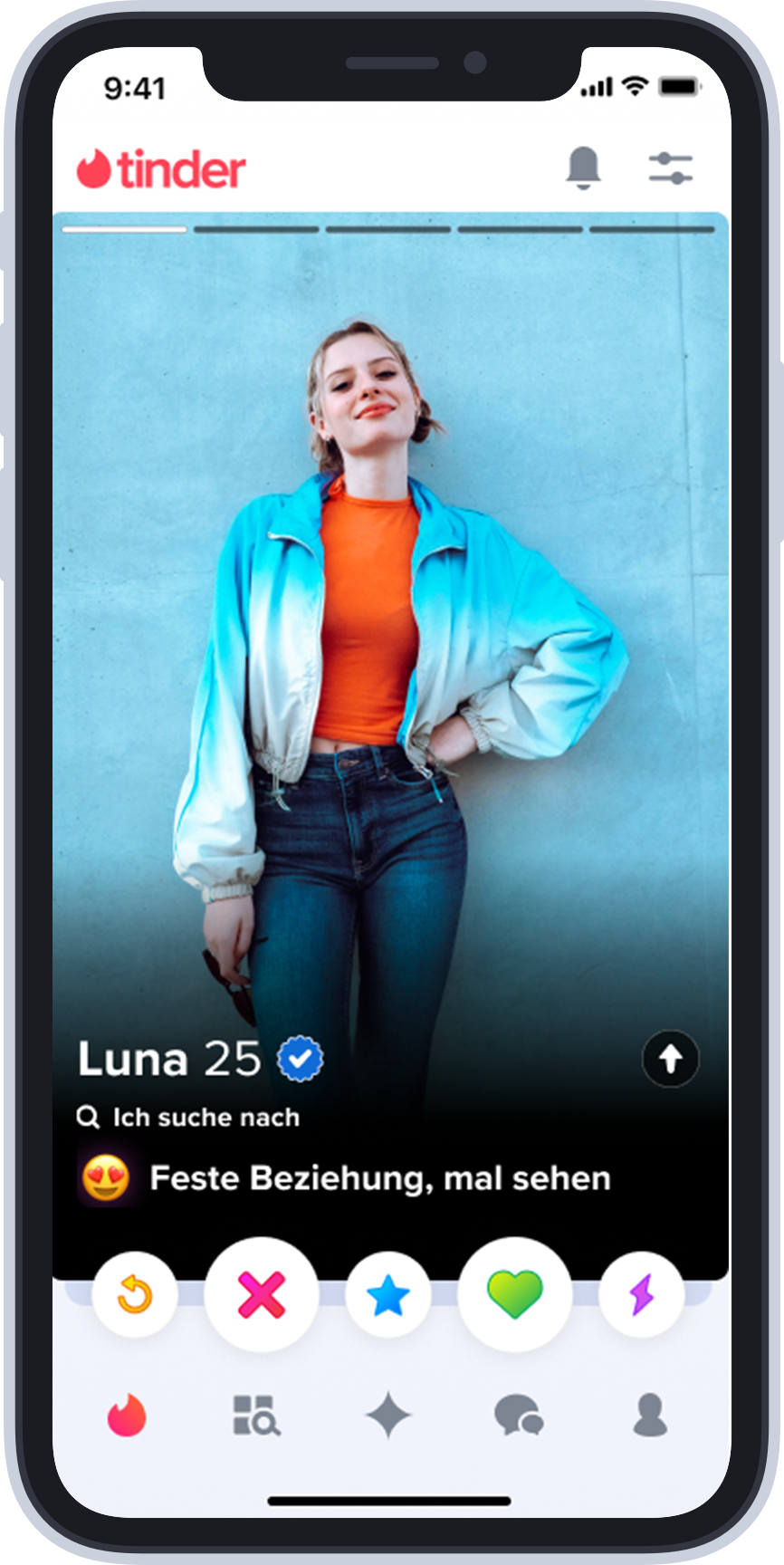
The core Tinder app is well-designed in terms of interface. The swipe mechanic is fast and intuitive. Profile setup is straightforward. Photo uploads work cleanly. The app is available for iOS and Android and generally runs without major technical issues on modern hardware. If you are evaluating Tinder purely on how the interface looks and performs as a piece of software, it is fine.
The problems are not in the interface. They are in what happens underneath it. Match counts that once felt steady begin to dry up for many users after the initial new-account boost fades. Conversations that start well frequently go nowhere. The app does not explain why your visibility might have dropped, does not tell you if your account has been placed in reduced circulation, and does not offer any tool to diagnose whether the issue is your profile, your location, your behavior, or the platform itself.
The Double Date feature, which lets you bring a friend along to swipe together and match with other pairs, is a genuinely creative addition in 2026 and one of the few things that feels new. Location sharing with trusted contacts before a meetup is another sensible safety addition. These are positive developments but they do not fundamentally change the core experience for most users.
The app also has a notable issue with conversation disappearance. When a match unmatches you, the entire conversation vanishes from your inbox without notification. This makes it nearly impossible to review what went wrong in a conversation, report a problematic user after they unmatch, or keep track of genuine connections before they go quiet.
The Website
Tinder offers a browser-based version at tinder.com. It functions as a usable alternative to the mobile app, though it is clearly an afterthought rather than a primary product. The swiping interface works, profiles load, and you can send messages. Basic account management, subscription changes, and profile editing are accessible through the browser.
Where the website falls short is in feature parity with the app. Some mobile-specific features do not translate cleanly to the browser version. Performance can be slower depending on your device. Most importantly, Tinder's customer support is accessed through a help center that is mostly self-service FAQ pages with very limited pathways to reach an actual human representative.
The help center is where many users end up when something goes wrong. Account bans with no clear explanation, subscriptions that charge correctly but fail to unlock features, payment processing errors, and identity verification loops that freeze accounts are all recurring complaints. When users arrive looking for resolution, they typically find articles that do not address their specific situation and no direct route to a support agent.
User Experience: What It Actually Feels Like
Reading through real Tinder user reviews in 2026 is a genuinely disheartening experience. The complaints are not occasional. They are the dominant tone across Trustpilot, the App Store, Reddit, and consumer review platforms. The specific issues that come up repeatedly paint a picture of a product that has drifted very far from its original purpose.
The Bot and Fake Profile Problem
The fake profile and bot problem on Tinder has not been solved. It has been documented for years, and in 2026 it remains one of the most consistent complaints from paying and non-paying users alike. Accounts that match quickly, send friendly opening messages, and then redirect you to an external link or ask for your phone number within a few exchanges are a daily reality on the platform, particularly for male users.
Tinder has added photo verification features that some accounts use, and verified profile badges exist. But verification is optional, not mandatory, and scammers operate new accounts faster than the system can flag them. Multiple users on Trustpilot described paying for Gold specifically to see who had liked them, only to find that a significant portion of those likes came from accounts that appeared to be bots or were created hours before matching.
The Shadow Ban Problem
Shadow banning is a practice Tinder does not officially acknowledge but that is extensively documented by its own user community. A shadow ban means your profile continues to appear functional from your perspective. You can swipe, match, and message. But your profile has been restricted by Tinder's algorithm and is shown to far fewer people, or possibly no one at all.
The triggers for shadow bans are not published by Tinder. Users report being shadow banned for swiping too quickly, for having their account reported by others, for behavior the AI system flagged as suspicious, and sometimes for reasons that appear entirely arbitrary. The most damaging aspect is that Tinder does not tell you it is happening. You can spend weeks paying for a Platinum subscription, run a paid Boost during peak hours, receive zero new likes, and still have no idea that the platform has made your profile invisible.
The fix the community has settled on is to delete your account entirely and start fresh with a new email, phone number, and sometimes even a different device. The fact that this workaround is widely known and commonly recommended says everything about how the company handles account management transparency.
Customer Support
Tinder's customer support in 2026 is, by most accounts, close to nonexistent for the average user. There is no phone number. There is no live chat with a human agent for standard account issues. There is an email contact pathway, but responses are slow and often templated replies that do not address the specific issue raised.
For users who have been wrongly banned, had subscriptions charged without features activating, or lost access to their accounts due to verification loops, the support experience is effectively a dead end. Some of the most frustrating reviews we read during our research came from users who paid for multi-month subscriptions upfront and then had their accounts banned or frozen with no refund and no meaningful path to escalation.
Tinder's refund policy is strict. Subscriptions purchased through the App Store or Google Play are governed by Apple and Google's refund policies, which are generally unfavorable for users seeking refunds on digital subscriptions. Tinder itself rarely approves refunds. If you pay upfront and your experience falls apart, you are largely on your own.
Pros and Cons
What Still Works
Massive global user base means there are real people on the platform in most cities and regions
The swipe interface is intuitive and fast for first-time users
Free account creation and basic matching functionality with no upfront payment
Photo verification option adds credibility to profiles that use it
Double Date feature is a genuinely creative 2026 addition
Location-based matching is accurate and useful for travelers and city-dwellers
In-app safety tools including location sharing with trusted contacts before meetups
Passport feature on paid plans allows swiping in other cities before traveling
What Is Broken or Deeply Flawed
Free version is deliberately limited to push users toward paid subscriptions
Paid subscriptions are expensive and rarely deliver proportional results
Dynamic pricing charges older users and users in certain cities significantly more without disclosure
Fake profiles, bots, and scam accounts remain a persistent and unresolved problem
Shadow banning is real, undisclosed, and can waste months of a paying user's time and money
Customer support is functionally nonexistent for most account issues
No refund path for users who paid upfront and had their account banned or frozen
Conversations disappear without notice when someone unmatches, removing the ability to report
The algorithm heavily favors already-popular accounts, leaving average users with minimal visibility
Match Group's ownership of multiple platforms creates a financial incentive to retain frustrated users rather than help them succeed
How Tinder Compares to the Competition in 2026
Tinder vs Hinge: Hinge markets itself as the app designed to be deleted, meaning it aims to actually get you off the app by helping you find a relationship. The feature set is richer in terms of prompts and conversation starters. The user experience is more intentional. Hinge is also owned by Match Group, but it has maintained a cleaner reputation for producing real dates and relationships. For anyone serious about finding a connection rather than just swiping, Hinge is the stronger recommendation in 2026.
Tinder vs Bumble: Bumble requires women to send the first message in heterosexual matches, which meaningfully changes the quality of initial conversations and reduces a significant amount of low-effort contact. The platform has its own issues, but the reported experience for women in particular is considerably better than Tinder. For users exhausted by the one-sided dynamic Tinder normalizes, Bumble is worth trying.
Tinder vs Coffee Meets Bagel: Coffee Meets Bagel is a slower, more curated approach to online dating. You receive a limited number of matches per day rather than an endless swipe stack. This format does a better job of encouraging genuine consideration of each profile and typically produces higher-quality conversations. The user base is much smaller than Tinder, but for users fatigued by Tinder's volume-over-quality model, the difference in experience is meaningful.
Frequently Asked Questions About Tinder (2026)
These are the questions people are searching most often about Tinder in 2026, answered honestly.
1. Is Tinder free to use in 2026?
Technically yes. You can download Tinder, create a profile, swipe, match, and message without paying anything. However, the free experience in 2026 is significantly restricted. You have a daily swipe limit, you cannot see who has already liked you, ads appear throughout the app, and your profile visibility in the algorithm is lower than paid users. The free version will give you a sense of how the app works, but for most people in active dating markets, it produces very few meaningful results on its own. Tinder has structured the free tier to feel just functional enough to keep you on the app while creating enough friction that paying feels like the obvious fix.
2. Is Tinder worth paying for in 2026?
Based on our research and the feedback from real users across multiple review platforms, the honest answer is no for the majority of people. The most popular paid tier, Tinder Gold, promises to show you everyone who has already liked your profile. In theory that saves time. In practice, many users report that a meaningful portion of those likes come from fake or inactive accounts, particularly in competitive markets. Paying $40 a month to see a list that yields one or two relevant matches is not good value. If your free experience is already generating matches, a short paid trial might help. If your free experience is completely dead, paying for a subscription rarely fixes the underlying issue.
3. Why am I getting no matches on Tinder?
There are a few common reasons and not all of them are flattering to Tinder. Your profile photos might not be presenting you at your best, which is the most common and solvable issue. Your bio might be leaving too little to work with. Your location might have a genuine imbalance in the ratio of active users. Or, the one Tinder will not tell you about, you may have been shadow banned or placed in a lower visibility tier by the algorithm. New accounts get a visibility boost that expires after a few weeks. Once that boost ends, accounts with lower engagement metrics drop in the stack. If you had a burst of matches early on and then saw them disappear, that pattern is consistent with the new-account boost wearing off.
4. What is a Tinder shadow ban and is it real?
A shadow ban is when Tinder restricts your profile's visibility without notifying you. Your account appears to function normally. You can swipe, match, and send messages. But your profile is shown to very few other users or potentially none at all. Shadow banning is real and extensively documented in the Tinder user community. Tinder does not officially confirm the practice, but users have verified it by running paid Boosts during shadow bans and receiving zero new likes, which would be statistically near-impossible if the account were visible normally. Triggers appear to include swiping behavior that resembles a bot, repeated reports from other users, and behaviors Tinder's AI system has flagged. The fix the community has settled on is to delete the account entirely and start fresh, sometimes requiring a new phone number and device.
5. How do I contact Tinder customer support?
This is one of the most frustrating aspects of the platform. There is no phone number for Tinder customer support. There is no live chat option for standard users. You can submit a support request through the in-app help center or the website, but responses are slow and are often generic replies that do not address the specific issue. For account bans, subscription billing errors, and identity verification issues, the support experience is widely described as a dead end. Some users have had success disputing charges through their credit card provider or through Apple or Google's refund systems rather than going through Tinder directly. If you are considering paying upfront for a multi-month plan, the quality of support you will receive if something goes wrong should be a serious factor in your decision.
6. Are there fake profiles on Tinder?
Yes, and they are a significant problem that the platform has not solved after more than a decade of operation. Fake profiles on Tinder generally fall into a few categories: romance scam accounts designed to build trust and then request money or personal information, bot accounts that send automated opening messages and redirect you to external links or other platforms, promotional accounts advertising other apps or services, and catfish accounts using someone else's photos. Photo verification exists as an opt-in feature but it is not mandatory, meaning a large portion of profiles have no verification. The advice from experienced users is to move conversations to a video call relatively quickly before meeting in person, and to reverse image search profile photos if anything feels off.
7. What is the difference between Tinder Plus, Gold, and Platinum?
Tinder Plus at around $25 a month gives you unlimited swipes, removal of ads, the ability to rewind your last swipe, and Passport to change your location and swipe in other cities. Tinder Gold at around $40 a month adds the ability to see a grid of everyone who has already liked you before you swipe, daily Top Picks curated by the algorithm, and access to more discovery filters. Tinder Platinum at around $50 a month adds Priority Likes so your profile appears higher in others' stacks, the ability to send a short message before a match is made, and a list of the likes you sent in the past seven days. Prices vary based on age, location, and subscription length. Annual plans reduce the monthly cost significantly. None of these tiers fixes the underlying quality problems with match relevance or the fake profile issue.
8. Is Tinder good for finding a serious relationship?
Tinder's reputation is for casual dating and the platform design reflects that. The swipe-first mechanic encourages snap judgments based on appearance. The volume of potential matches encourages a browsing mentality rather than genuine consideration of each person. Relationship counselors who work with dating app users have noted that clients using Tinder for serious relationships tend to struggle more than those using apps like Hinge or eHarmony that are designed around compatibility. People have found long-term partners on Tinder because the app is so large that meaningful connections happen even within a system not optimized for them. But if a genuine relationship is your goal, you are fighting against the platform's design rather than being helped by it.
9. Can I use Tinder without paying anything and still get dates?
It is possible but increasingly difficult in 2026, and highly dependent on your market and profile quality. In smaller towns or regions where the user base is less competitive, the free version can still yield genuine matches and conversations that lead to actual dates. In major cities, particularly for men, the free experience is heavily stacked against you due to the gender ratio imbalance and the algorithm's tendency to prioritize profiles with high existing engagement. Women tend to report more success on the free version than men, simply because the platform dynamics are different. If you are going to try the free version, invest serious time in your photos before doing anything else. Profile quality is the single biggest factor regardless of what tier you are on.
10. Why is Tinder so expensive compared to other dating apps?
Tinder's premium pricing reflects its market position as the largest and most recognized dating app in the world rather than the quality of experience it delivers. The company relies on converting a portion of its massive free user base into paying subscribers, and the pricing is calibrated around how much frustration the average user is willing to pay to relieve. The dynamic pricing model, which charges older users and users in higher-income urban areas more than younger or rural users, maximizes revenue extraction without changing the product. Competitors like Hinge offer comparable or better functionality at lower price points. The honest read on Tinder's pricing is that you are paying for brand recognition and user volume, not for a superior dating experience.
Icon polls Verdict
Tinder built something genuinely new when it launched in 2012. The swipe mechanic changed how a generation approached meeting people. That historical credit is real. What Tinder has become in 2026 is something much less impressive and, for many users, genuinely harmful to their time, money, and sense of self.
A platform that shadow bans users without disclosure, allows fake profiles to operate at scale, charges age-based dynamic pricing without clear communication, provides no meaningful customer support when things go wrong, and structures its free tier specifically to produce frustration rather than results is not a platform that has its users' interests as a priority. The numbers Tinder reports are real. What they represent underneath is a system optimized for retention and revenue rather than connection.
Our rating of 1.0 out of 5 reflects that the experience Tinder delivers to the average user in 2026 does not justify its cost in money, time, or emotional energy. If you want to try online dating, start somewhere else. Hinge, Bumble, and Coffee Meets Bagel all have meaningful problems of their own, but none of them have built a monetization model as transparently extractive as what Tinder has become. You deserve better than this.