|
Brand & Model |
Chemistry |
Capacity |
Power Output |
Warranty |
Est. Price |
Scalable |
|---|---|---|---|---|---|---|
|
Tesla Powerwall 3 |
LFP |
13.5 kWh |
11.5 kW |
10 years |
$11,500+ |
Yes (4 max) |
|
FranklinWH aPower 2 |
LFP |
13.6 kWh |
10 kW |
15 years |
$12,000+ |
Yes (225 kWh) |
|
Enphase IQ Battery 5P |
LFP |
5 kWh/unit |
3.84 kW |
15 years |
$7,500+ |
Yes (modular) |
|
BYD Battery-Box HVM |
LFP |
8.3-22 kWh |
5 kW |
10 years |
$6,000+ |
Yes (66 kWh) |
|
Sonnen ecoLinx |
LFP |
12-20 kWh |
8 kW |
15 years |
$15,000+ |
Yes (20 kWh) |
|
EG4 WallMount |
LFP |
14.3 kWh |
7 kW |
10 years |
$3,200+ |
Yes (16 units) |
|
Sigenergy SigenStor |
LFP |
9.6 kWh |
6 kW |
10 years |
$9,000+ |
Yes (modular) |
|
SolarEdge Home Battery |
LFP |
9.7 kWh |
5 kW |
10 years |
$10,000+ |
Yes (3 max) |
|
EcoFlow Delta Pro Ultra |
LFP |
6 kWh/unit |
7.2 kW |
5 years |
$5,800+ |
Yes (90 kWh) |
|
Fortress Power eVault |
LFP |
18.5 kWh |
9.6 kW |
10 years |
$9,500+ |
Yes (6 max) |
1. Tesla Powerwall 3
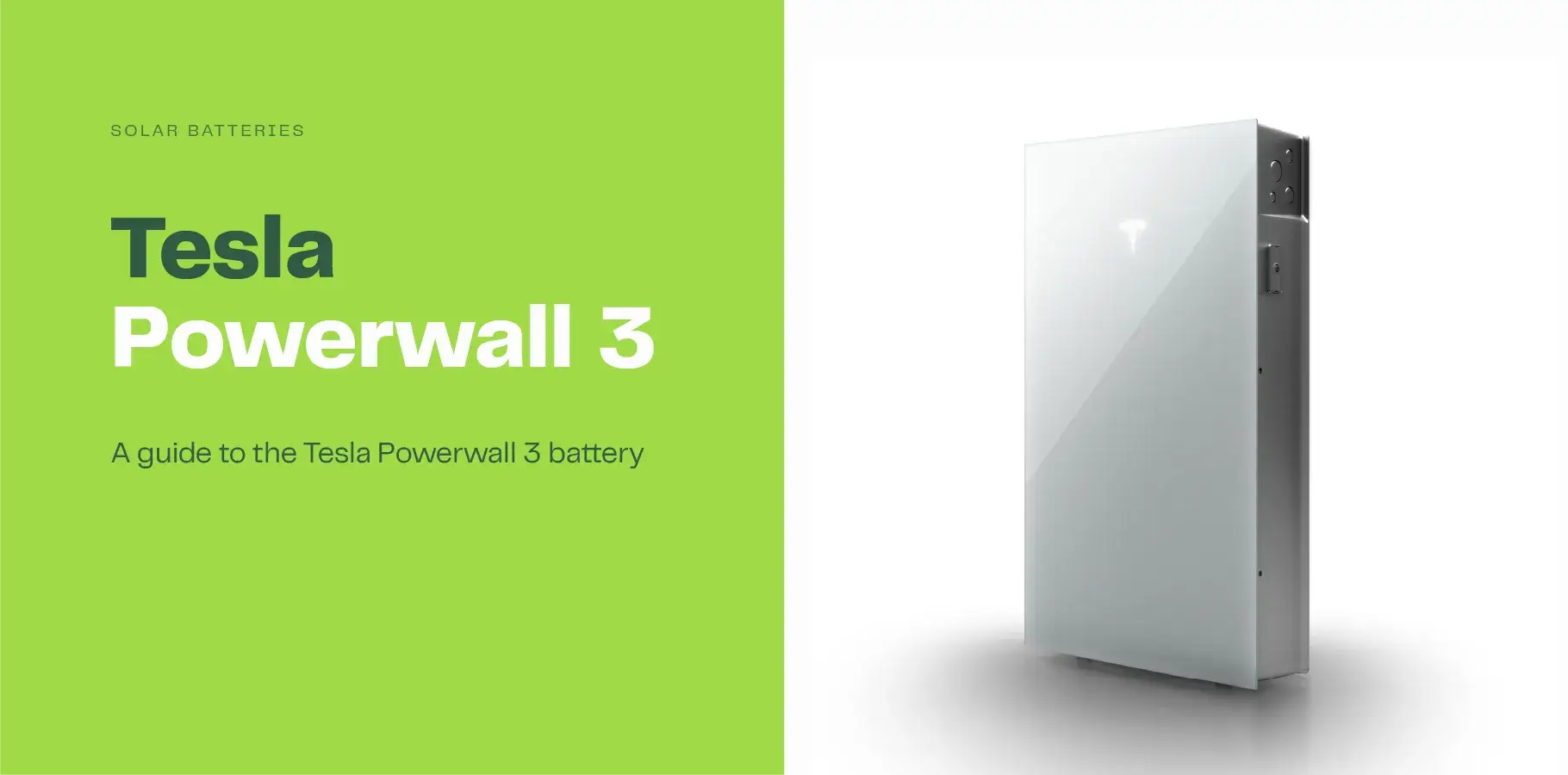
Tesla remains the name most homeowners think of first when solar storage enters the conversation, and the Powerwall 3 justifies that recognition with substance rather than hype. Its 13.5 kWh of usable capacity is standard for the segment, but the 11.5 kW continuous power output is where it pulls ahead. Most competitors deliver between 5 and 7 kW, which means they struggle to run central air conditioning, a well pump, and kitchen appliances simultaneously during an outage. The Powerwall 3 handles that load without breaking stride.
The built-in hybrid inverter eliminates the need for a separate piece of hardware, supporting both AC and DC coupling for installation flexibility. Round-trip efficiency sits at a claimed 97.5 per cent, among the highest in the residential class. Tesla's software ecosystem, including Storm Watch, which pre-charges the battery ahead of severe weather events, adds genuine functionality that competitors have been slow to replicate. Units stack up to four deep for 54 kWh of total capacity. A 10-year warranty guaranteeing 70 per cent retention rounds out a package that earns the top position through sheer breadth of capability.
2. FranklinWH aPower 2
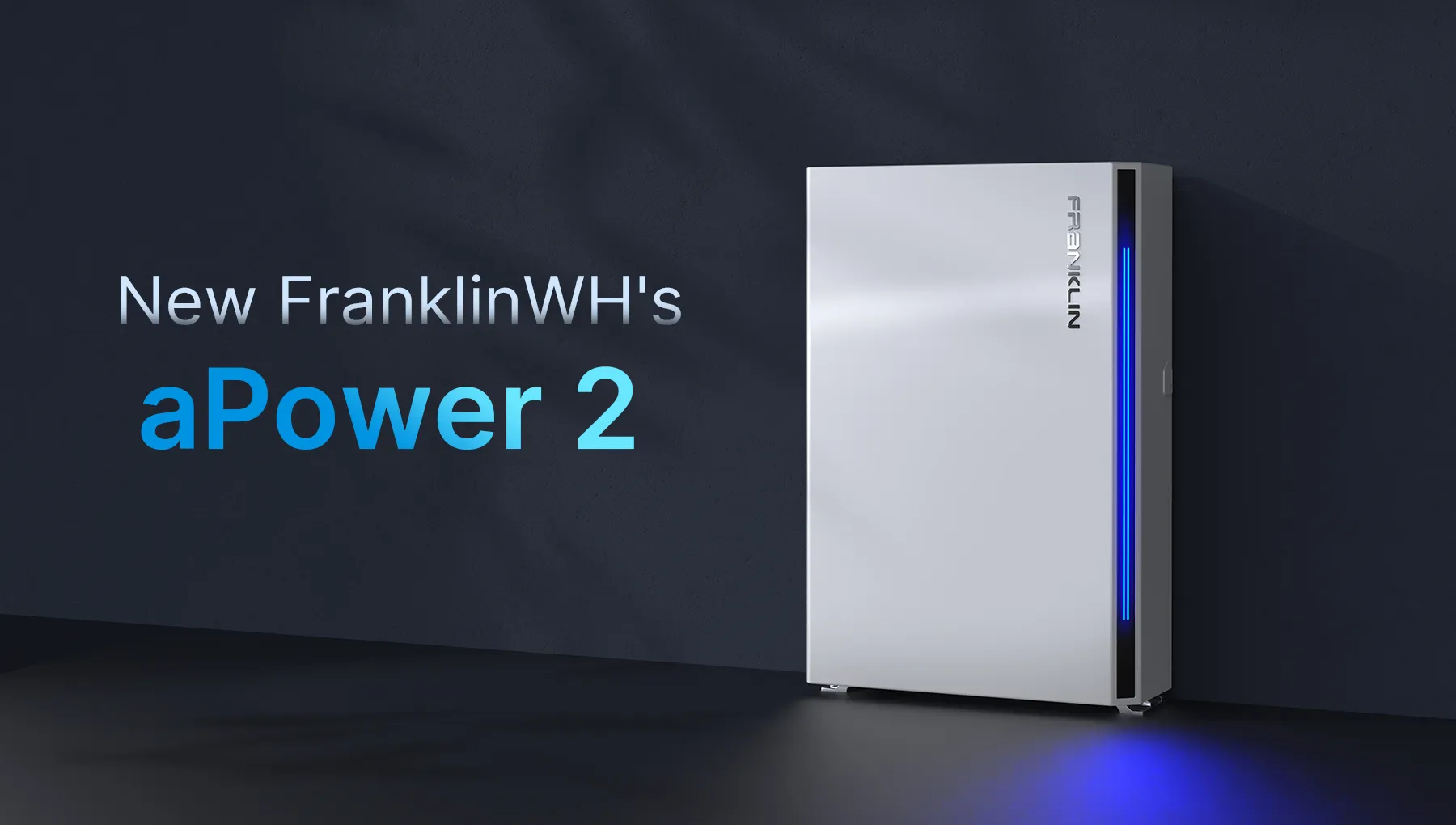
FranklinWH has emerged from relative obscurity to become the battery that experienced installers quietly recommend when a homeowner says they want everything backed up, not just a few critical circuits. The aPower 2 stores 13.6 kWh per unit and can scale to a remarkable 225 kWh in a single installation. More importantly, the aGate controller sits between the utility meter and the main 200-amp panel, giving the system visibility and control over every circuit in the home. That eliminates the $500 to $1,500 cost of a critical loads sub-panel that most competing systems require.
Its AC-coupled architecture means it retrofits cleanly to virtually any existing solar inverter, whether string, micro, or hybrid. The 15-year warranty with a 60 MWh throughput guarantee provides a degree of coverage that only a handful of competitors match. For homeowners who want true whole-home backup without compromise, FranklinWH is the most compelling option on the market right now.
3. Enphase IQ Battery 5P
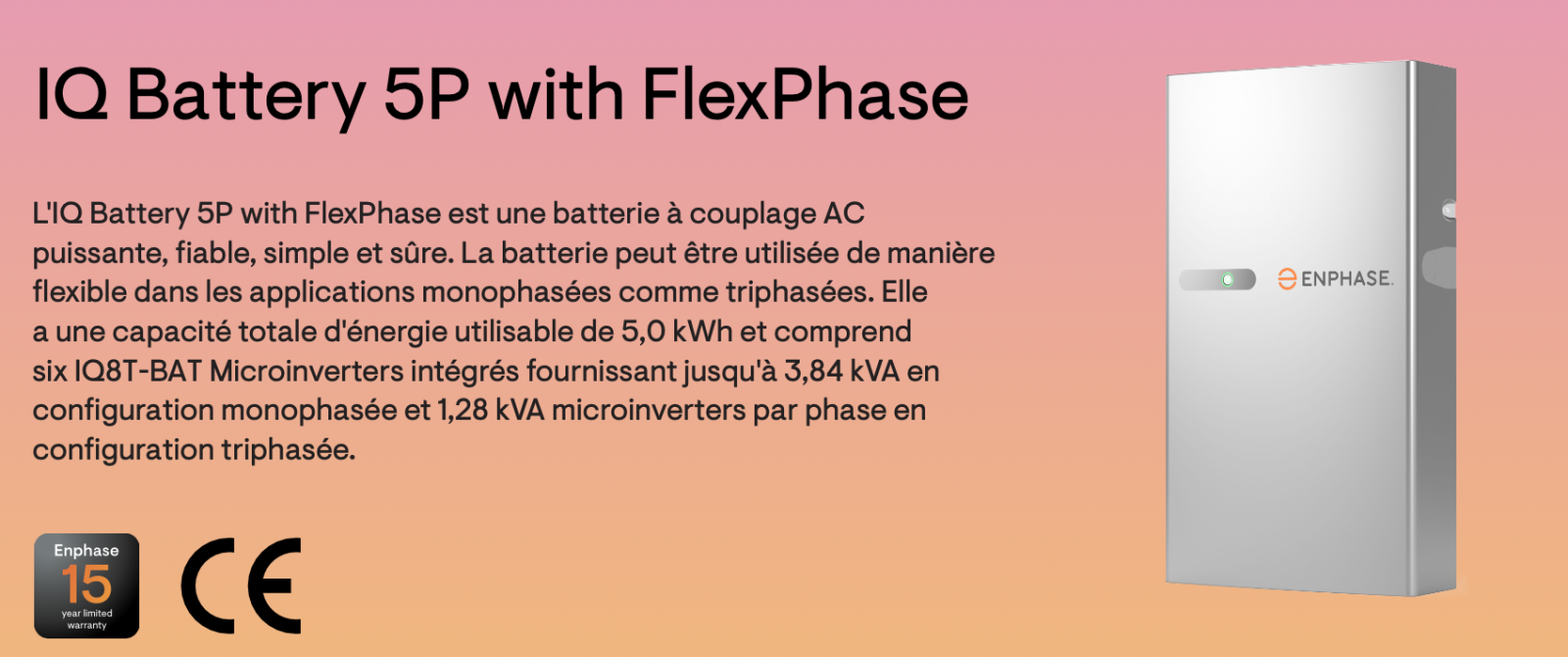
Enphase brought its microinverter philosophy to energy storage, and the result is a modular system that scales in precise 5 kWh increments. Each IQ Battery 5P unit contains its own microinverters, so there is no single point of failure. If one module goes down, the rest continue operating. That distributed architecture resonates strongly with the roughly one in five U.S. solar homes that already run Enphase microinverters on their rooftops.
The 15-year warranty is the longest standard coverage among major battery brands. Round-trip efficiency of 96 per cent is solid, though not class-leading. The trade-off is cost. Enphase batteries tend to sit at the higher end of the pricing spectrum, and homes needing 15 kWh or more of storage will stack three or four modules, which adds up. Still, for homeowners already invested in the Enphase ecosystem, the seamless integration through a single app and support channel is a powerful draw.
4. BYD Battery-Box Premium HVM
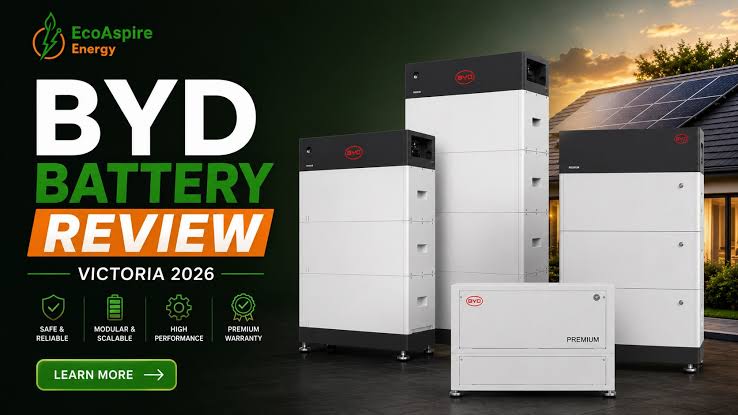
BYD is the world's largest manufacturer of rechargeable batteries, and the Battery-Box Premium HVM reflects that scale with competitive pricing and unmatched inverter compatibility. The modular system builds in 2.76 kWh increments, starting at 8.3 kWh and reaching up to 66.2 kWh. No other residential battery offers that level of granularity, which makes it exceptionally useful for installers who need to size storage precisely to a household's consumption profile.
The 10,000-cycle warranty means homeowners can participate aggressively in virtual power plant programs without worrying about accelerated degradation. BYD pairs with inverters from SMA, Fronius, GoodWe, Solis, and several other brands, making it the most inverter-agnostic battery on this list. In markets like Australia and Europe, BYD already dominates the residential segment. Its U.S. presence is growing, and for cost-conscious buyers willing to work with an installer who knows the ecosystem, it represents outstanding value.
5. Sonnen ecoLinx
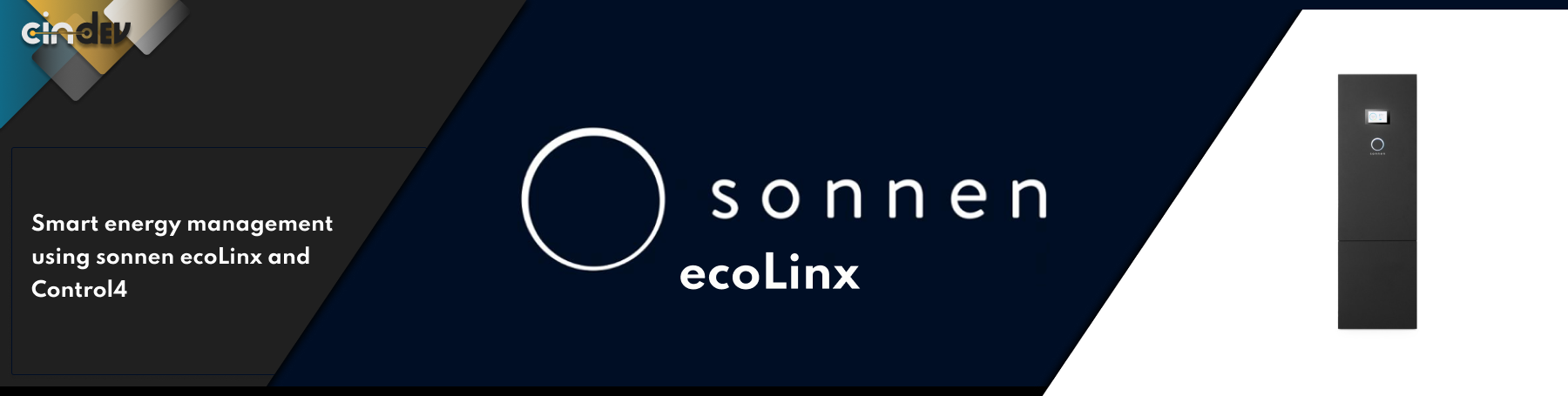
German engineering meets California ambition in the Sonnen ecoLinx. This is the premium tier of residential storage, designed for homeowners who view their battery as the central nervous system of a smart home rather than a passive box on the wall. The ecoLinx integrates with home automation platforms, manages individual circuits, and participates in sonnen's established virtual power plant network, which can generate up to $2,100 per year in revenue for California participants.
Its 15-year, 15,000-cycle warranty is among the most generous in the industry. The system uses passive cooling, meaning there are no fans and no audible noise during operation. Capacity ranges from 12 to 20 kWh, and the AC-coupled architecture pairs with any existing solar array. The trade-off is price. Sonnen sits comfortably above most competitors, and the premium is difficult to justify on raw cost-per-kilowatt-hour math alone. But for buyers who prioritize longevity, smart home integration, and VPP income, the ecoLinx remains the benchmark.
6. EG4 Electronics
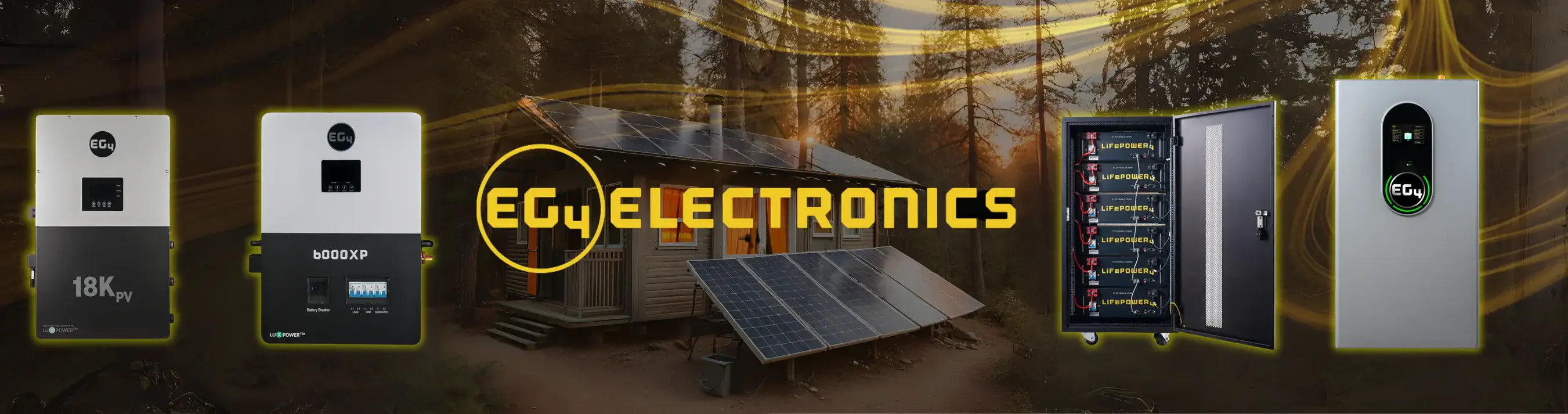
EG4 has built a devoted following among the DIY solar community by offering some of the lowest cost-per-kilowatt-hour pricing in the market without cutting corners on core performance. The WallMount All Weather battery delivers 14.3 kWh of LFP storage with a 200-amp continuous discharge, which means it can power heavy household loads during an outage. The newer 314Ah indoor model pushes capacity to 16 kWh in a single unit.
Headquartered in Sulphur Springs, Texas, EG4 supports up to 16 batteries in parallel with advanced communication protocols, giving it near-commercial scalability. Cycle life ratings of 6,000 to 8,000 cycles at 80 per cent depth of discharge translate to 15 to 20 years of reliable service. EG4's 10-year warranty has improved steadily, and the brand's documentation and community support forums are remarkably thorough. For budget-minded homeowners who are comfortable with a bit more hands-on installation, EG4 is hard to beat on value.
7. Sigenergy SigenStor
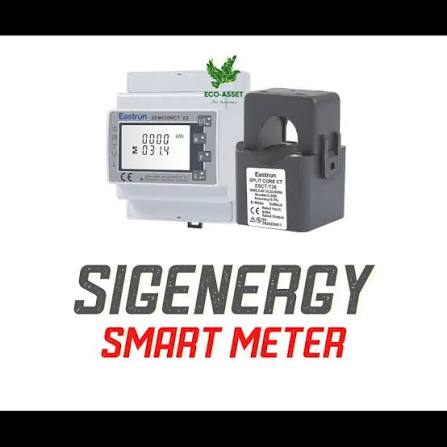
Sigenergy is the newcomer that has veteran installers paying attention. The company, founded in 2019 and headquartered in Wuxi, China, entered the U.S. residential market with a modular system that combines hybrid inverters and high-voltage batteries in a tightly integrated package. Its standout feature is vehicle-to-home (V2X) capability, the only system in this ranking that offers true bidirectional EV charging, effectively turning a compatible electric vehicle into a 60 to 100 kWh whole-home battery.
On paper, the specs are strong. Competitive pricing, modular scalability, and a clean software interface have earned it favorable reviews from early adopters. The caution is track record. Sigenergy has not yet accumulated the years of field data that brands like Tesla or Enphase can point to. But for homeowners who own a compatible EV and want future-ready integration, Sigenergy is arguably the most forward-thinking option available.
8. SolarEdge Home Battery
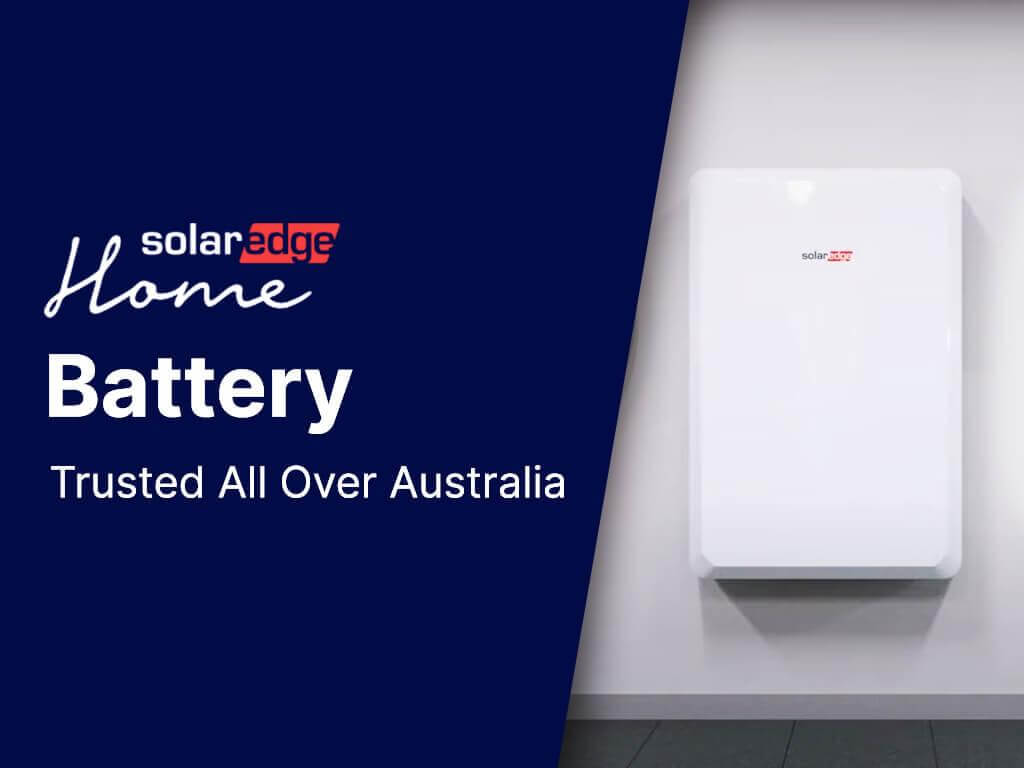
SolarEdge has long been a dominant force in the solar inverter market, and its home battery slots into that ecosystem with precision. The 9.7 kWh DC-coupled battery skips the extra AC conversion step, improving round-trip efficiency compared to AC-coupled alternatives. For homeowners who already run SolarEdge optimizers and inverters on their roof, adding the home battery is as straightforward as an integration gets.
The limitation is exactly that tight coupling. If you do not already have SolarEdge hardware, this battery is not a practical choice. But for the millions of homes that do, it offers reliable performance, clean monitoring through the mySolarEdge app, and a 10-year warranty. SolarEdge's financial stability and global service network provide additional peace of mind. It occupies a valuable niche for those already within its walls.
9. EcoFlow Delta Pro Ultra
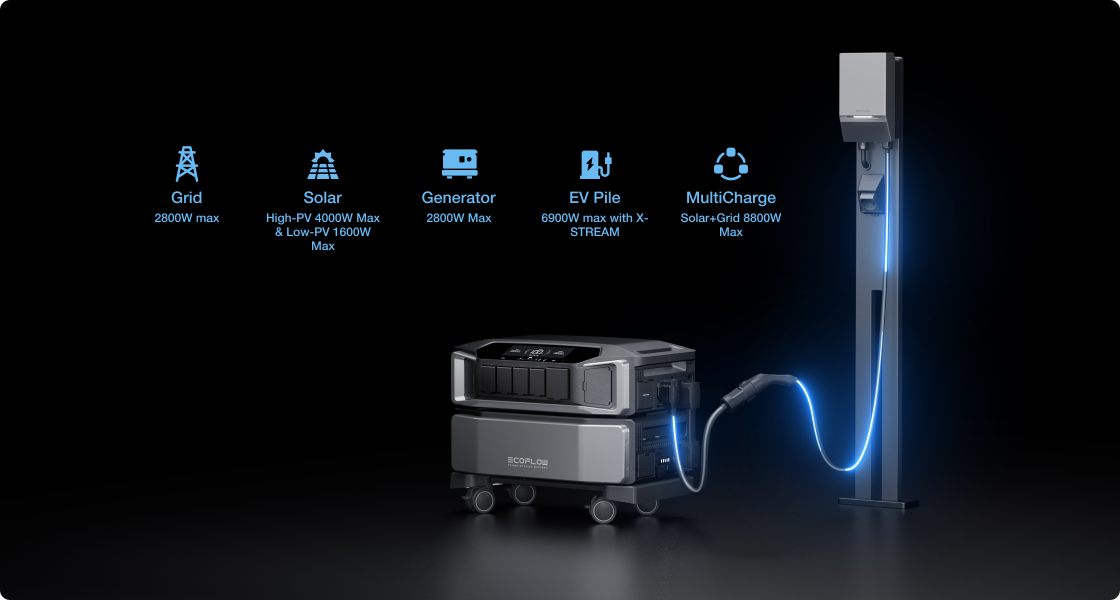
EcoFlow carved its reputation in portable power stations before stepping into the whole-home storage arena with the Delta Pro Ultra. The result is a system that feels different from the incumbents. Each 6 kWh battery module stacks to a substantial 90 kWh total capacity, and the system supports plug-and-play installation that some homeowners can manage without professional electricians.
At around $5,800 for an entry-level configuration, the Delta Pro Ultra undercuts most professionally installed alternatives. The catch is the warranty. Five years of coverage is well below the 10- to 15-year terms offered by competitors, and that shorter guarantee raises legitimate questions about long-term confidence. For renters, homeowners in transitional living situations, or anyone who values portability and flexibility over permanence, EcoFlow fills a gap that traditional wall-mounted systems cannot.
10. Fortress Power eVault

Fortress Power has earned a reputation as the workhorse battery for off-grid and heavy-duty residential applications. The eVault packs 18.5 kWh into a single unit, one of the highest capacities available without stacking, and delivers 9.6 kW of continuous power. Up to six units can be connected for systems exceeding 100 kWh, which puts it in territory typically reserved for small commercial installations.
The company focuses squarely on the installer channel, providing robust technical support and pre-engineered system configurations that reduce design time. Its 10-year warranty and LFP chemistry ensure long service life. Fortress may not have the consumer brand recognition of Tesla or Enphase, but among professionals who build large residential and off-grid systems, it is one of the most trusted names in the business.