Most acne brands sell you a fix. Blume sold a feeling first: that breakouts, puberty and periods are normal, and that nobody should be embarrassed about any of it. That message landed hard with Gen Z, and it is why the Vancouver brand still comes up whenever younger shoppers talk about gentle skincare. The harder question in 2026 is whether the products, and the digital experience around them, have kept pace with the mission. Our answer is: partly.
| Detail | Information |
|---|---|
| Brand | Blume |
| Website | blume.com (formerly meetblume.com) |
| Founded | 2016, with first products launched in 2018 |
| Founders | Sisters Taran Ghatrora (CEO) and Bunny Ghatrora (COO) |
| Headquarters | Vancouver, British Columbia, Canada |
| Category | Clean beauty, skincare and personal care |
| Best known for | Meltdown Acne Oil, Daydreamer Face Wash, Clear Skin Kit, Skin Therapy Oil, Blume Buds acne patches |
| Who it's for | Teens and young adults with acne-prone or sensitive skin |
| Where to buy | blume.com, Sephora Canada, Ulta Beauty (US), Urban Outfitters |
| Funding | $3.3 million across seed rounds |
| Team size | About 19 employees |
| Credentials | Vegan, clean beauty, Climate Neutral, Plastic Neutral |
| Icon Polls rating | 2.9 out of 5 |
A small company with a big voice
Blume is not a giant. With roughly 19 staff and $3.3 million in seed funding, it punches well above its size in brand recognition. Getting onto shelves at Ulta in the US and Sephora in Canada is no small feat for a sister-run startup, and the brand's education-first tone helped it stand apart from clinical, slightly scolding acne products sold in drugstores.
That size also explains some of the gaps below. A lean team has to choose where to spend, and Blume has clearly spent on product and storytelling rather than technology.
The tech gap nobody at Blume seems worried about
Personalisation has become routine in skincare. Rivals now offer photo-based skin analysis, adaptive product recommendations and chat assistants that help you build a routine. Blume offers a quiz. It works, it points you toward a product, and it feels like something from several years ago.
As of 2026 there is no publicly visible AI skin analysis tool, no recommendation engine that learns from your concerns, and no chatbot on the site. For a brand that positions itself as fluent in how young people shop, that is an odd place to stand still. Even a simple routine troubleshooter or an ingredient checker on product pages would make the site feel more alive.
Search the app store and you'll find the wrong Blume
This is where shoppers get tripped up. The skincare brand does not have its own mobile app. Search "Blume" on iOS or Android and you will likely land on one of two unrelated products: a food and cosmetic label scanner from a separate company, Blume Inc., which uses AI to rate ingredients, or Blume Health, a weight loss and coaching service. Neither has anything to do with the Ghatrora sisters.
The irony is obvious. The one "Blume" with genuine AI features is not Blume. The skincare brand has done little to separate itself in that space, and anyone hunting for it in an app store could easily download the wrong thing.
The mobile website does the job for browsing and checkout. What's missing is the stuff that keeps repeat buyers loyal: quick reorders, routine tracking and deal alerts. Glossier and The Ordinary have built stronger mobile habits, and that is the bar Blume is measured against.
Soft pastels, flower patches and a forgettable wordmark
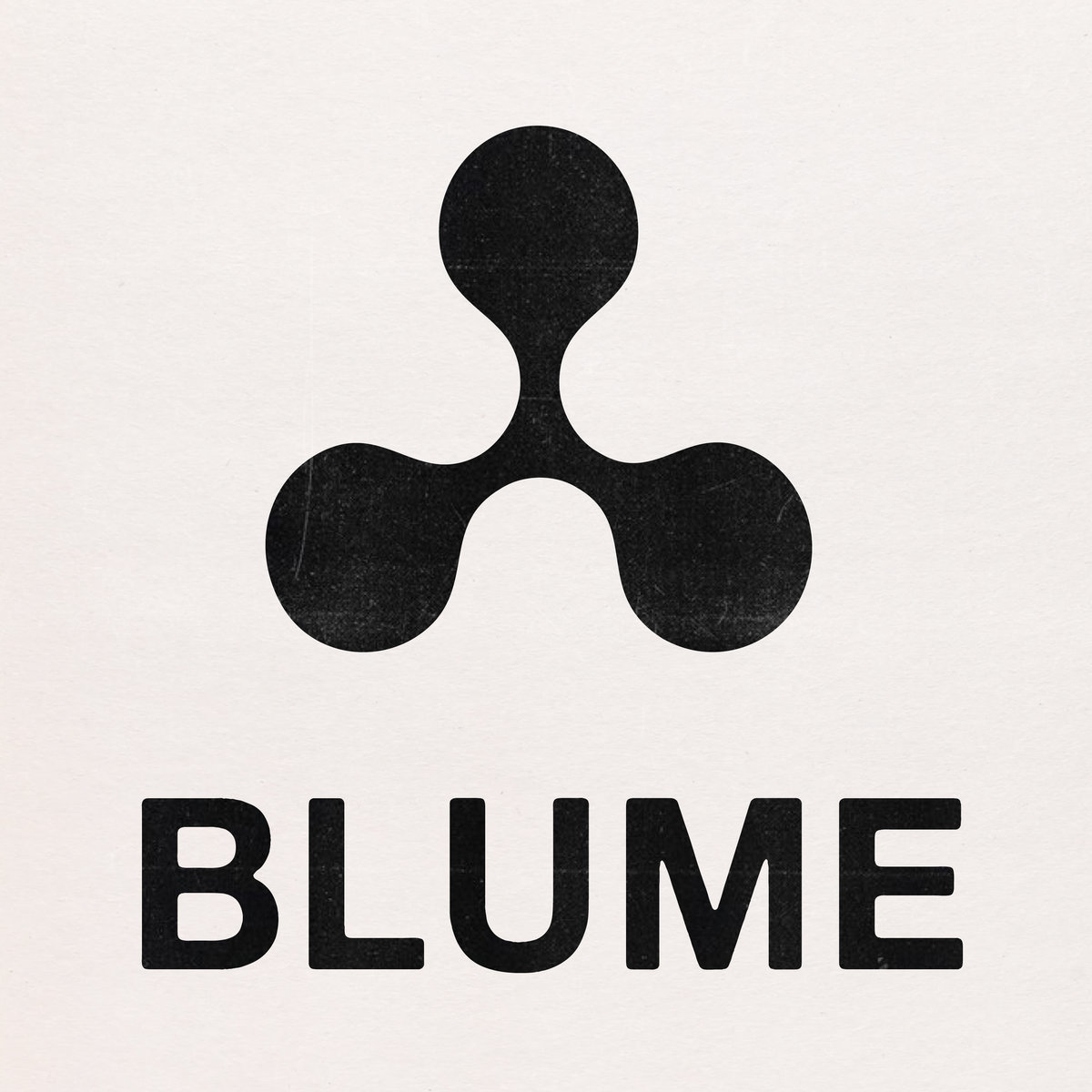
Blume refreshed its look in 2022, moving toward glass and aluminium packaging and a cleaner, more minimal design. The logo is a lowercase "blume" in a modern sans-serif. It is tidy and readable. It is also nearly indistinguishable from dozens of other direct-to-consumer beauty wordmarks, a style that has tipped into cliche.
The rest of the identity does more work. Soft pastels and warm earth tones suit the brand's gentle personality, and the Instagram feed is consistent and well produced. The real visual win is the Blume Buds patches, shaped like little flowers. They are the most recognisable thing the brand makes, and they do more for brand memory than the logo ever will.
The website: tidy, informative, a little sleepy
Blume.com is the strongest part of the digital picture. Product pages carry ingredient lists, usage instructions and customer reviews. You can filter by skin concern and browse routines. Blume University, the educational hub covering acne, puberty, periods and self-care, is the brand's mission made practical, though it has not been refreshed as often as a go-to resource for young people should be.
Checkout is simple and supports split payments through Quadpay. Shipping is $4 in the US and $15 in Canada, with no expedited option. That is fair, but not competitive when plenty of rivals offer free shipping at modest order sizes.
One avoidable annoyance: both blume.com and meetblume.com still surface across search results and social profiles. The brand moved from the older domain to blume.com, and both lead to the same company, but a first-time visitor checking for a legitimate store may hesitate. Even the support address still uses the old domain.
Where the products win, and where they don't
Customer feedback splits in a predictable way, and that split is behind our 2.9 rating.
- The praise: Meltdown Acne Oil is the standout, often described as one of the few acne treatments that doesn't leave skin dry and tight. Daydreamer Face Wash earns credit for being gentle. Many buyers value the plant-powered, vegan formulas.
- The complaints: results for moderate to severe acne are inconsistent, and some people find the fragrance too strong in certain products. Some customers also disliked that a few items moved from glass to plastic packaging.
- The value question: single products run from about $16 to $55, and kits approach $90. At that price, a lot of shoppers expect visible change, and some feel they are paying for the mission and the branding rather than performance.
That is the core tension. A pleasant website and thoughtful packaging can't rescue a skincare brand whose central promise, clearer skin, only lands for part of its audience. For mild breakouts and sensitive skin, Blume is a reasonable, kind choice. For stubborn or cystic acne, gentle formulas are a limitation, and a dermatologist is the better first stop.
Have a favourite brand that deserves more love? You can browse and vote in more fan-driven reviews and polls on Icon Polls.
Quick answers
Is Blume a legitimate brand?
Yes. It was founded in Vancouver in 2016 by Taran and Bunny Ghatrora, raised $3.3 million in seed funding, and sells through its own site plus Sephora Canada, Ulta Beauty and Urban Outfitters.
Can I return Blume products?
Refunds can be requested within 30 days by emailing [email protected]. Pads and tampons are final sale, and the site does not mention free return shipping.
Who does Blume compete with?
Starface, The Ordinary, Glossier and Three Ships are the closest rivals, with Goop and Saje Natural Wellness overlapping in natural wellness. Blume's edge remains its focus on young customers and on taking the stigma out of acne and puberty.