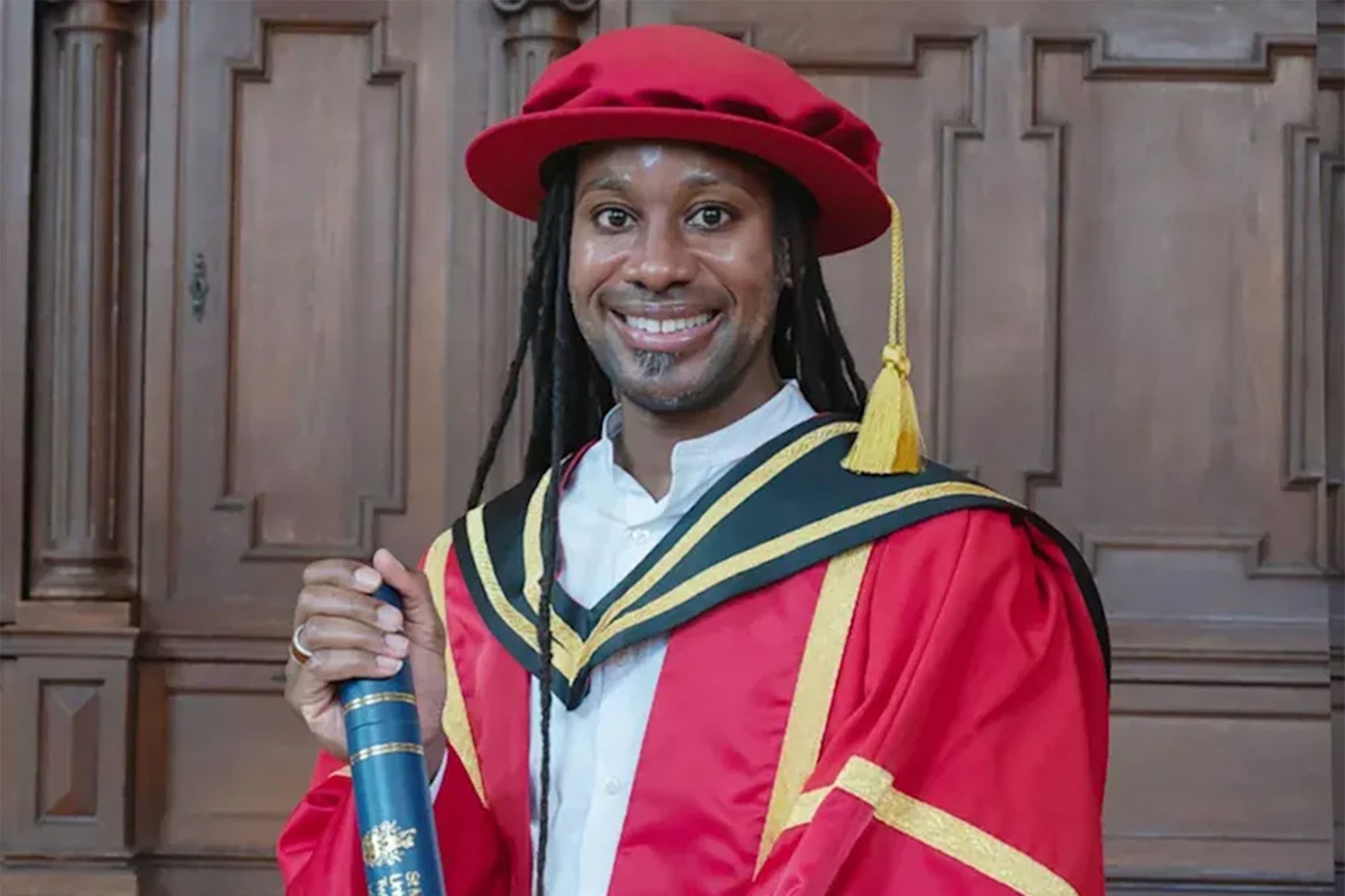
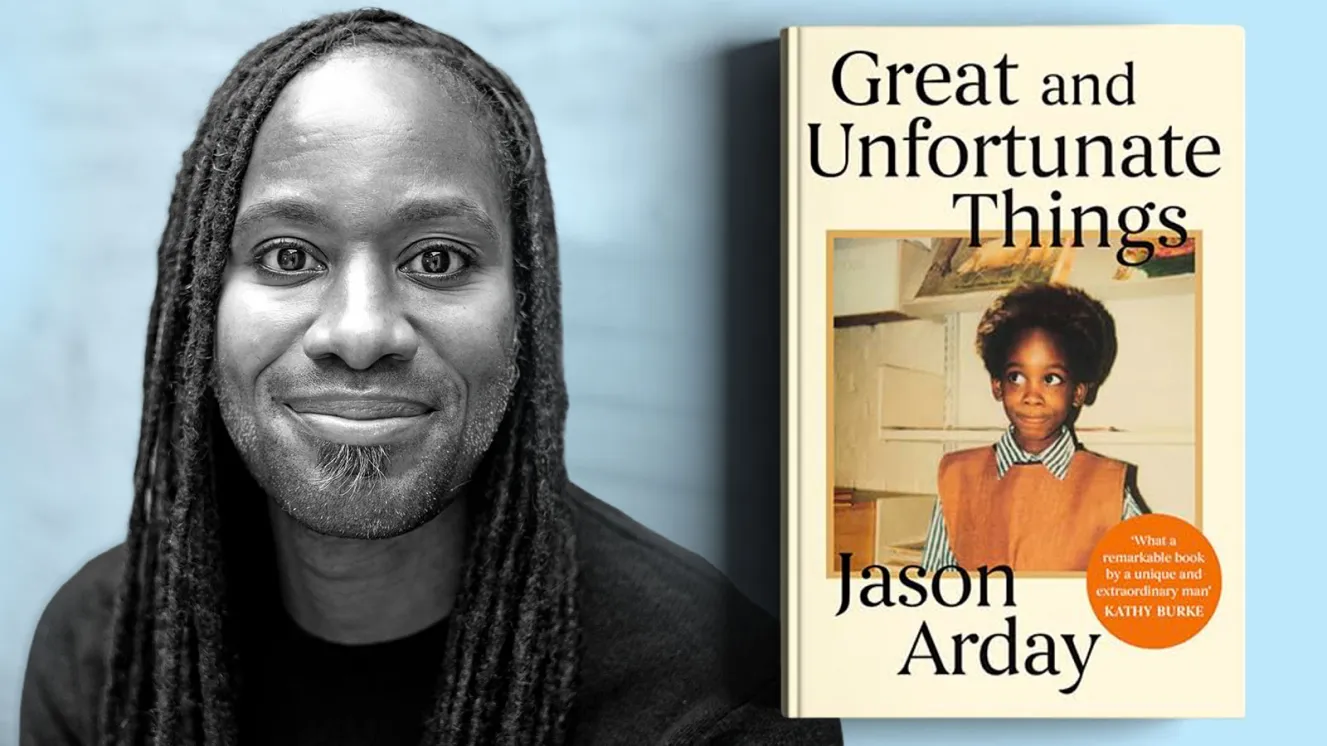
Few British academics ever become household names. Jason Arday did, and largely because his story ran against everything people assume about who gets to be a Cambridge professor. That is why his resignation in early August 2026, followed by his death on 14 August at the age of 41, landed so hard. It also produced a flood of searches, half answers and speculation. This profile sticks to what is on the record and says plainly where the record stops.
The record, briefly
| Full name | Jason Atta Kwei Arday |
|---|---|
| Born | 9 May 1985, London, England |
| Died | 14 August 2026, aged 41 |
| Nationality | British, with Ghanaian family heritage |
| Profession | Sociologist, education scholar, author and speaker |
| Best known role | Professor of Sociology of Education, University of Cambridge (from March 2023) |
| Research focus | Race, inequality, higher education, mental health and neurodiversity |
| Family life | Kept largely private |
| Religion | Not publicly confirmed |
| Estimated net worth | US$1 million to US$2 million (Icon Polls estimate) |
| Cause of death | Not publicly confirmed |
Clapham, and a very slow start
Arday grew up in Clapham, South London, in a family with Ghanaian roots. His early years were defined by obstacles most children never meet. He was diagnosed with autism and global developmental delay, did not speak until around the age of 11, and could not read or write until his late teens.
He talked openly about this later, and it shaped how people read his work. When Arday wrote about access and belonging in education, he wasn't theorising from a distance. He had been the student institutions expected to lose. One detail from his life became famous: as a young man he wrote a list of goals on his mother's bedroom wall, and one of them was to work at Oxford or Cambridge.
Roehampton, Durham, Glasgow, then the call from Cambridge
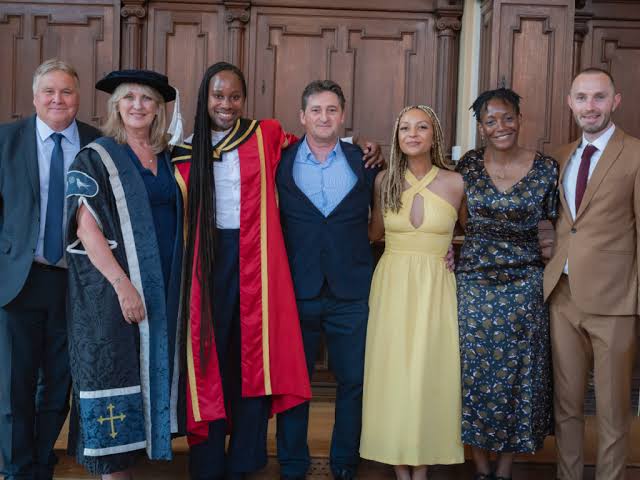
The route to that goal went through appointments at Roehampton, Durham and Glasgow. His research kept returning to the same questions: what Black students and staff actually experience inside British universities, how racial inequality reproduces itself in supposedly neutral institutions, and how mental health and social mobility fit into the picture. He also wrote and contributed to books on race, racism and education.
In March 2023 he took up the post of Professor of Sociology of Education at Cambridge. At 37, he was widely reported as the youngest Black person ever appointed to a professorship there. The appointment mattered for two reasons. Black professors remain rare at elite British universities, and Arday's own path made the milestone feel less like a statistic and more like a story people could follow. He leaned into that public role, writing, speaking and joining wider debates on education and social justice.
August 2026: the resignation
In early August 2026, Arday resigned from Cambridge amid intense public scrutiny over allegations concerning parts of his academic and professional record. At the time the original version of this profile was written, those claims were still being examined in public, and nothing reviewed here amounts to a verified finding.
That distinction matters. Allegations, responses and established conclusions are three different things, and online coverage blurred them quickly. Arday himself said that sustained accusations, speculation and public commentary had taken a serious toll on him and on the people close to him. The episode opened a broader argument about academic standards, how institutions check credentials, and how much pressure lands on people who become symbols as well as scholars.
His death, and the questions without answers
Jason Arday died on 14 August 2026. He was 41. Reports described his death as unexpected, and no medical cause has been publicly confirmed. The formal process was still to follow when news of his death broke.
Our position is simple. Any post naming a specific cause, or drawing a straight line between his death and the controversy that came before it, is speculation unless it comes from the proper authorities or his family. We won't repeat it, and readers should be wary of anyone who does.
Money: an estimate, not a disclosure
Arday never published details of his earnings, property or investments. Icon Polls estimates his net worth at US$1 million to US$2 million in 2026, but treat that as a rough editorial range, not a figure anyone has confirmed.
The estimate reflects a long academic career, senior university posts, books and paid speaking. Honestly, it is the softest number in this article. Academic salaries and publishing deals are usually private, and any site quoting a precise figure for him is guessing.
The private life he kept
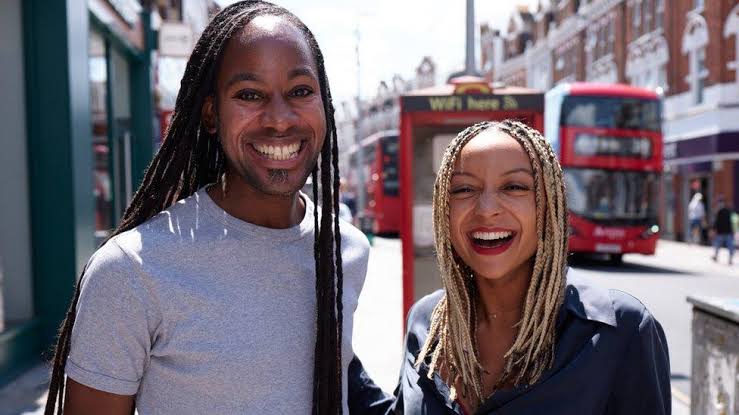
People search for Arday's wife and religion more than almost anything else about him. The answer to both is the same: he kept them out of public view. We found no reliable confirmation of a marriage or of a particular faith, so we aren't going to assign either to him.
That silence is an answer in itself. When someone becomes the centre of a news cycle, old fragments get stitched into confident claims. Respecting what he chose not to share is the honest approach.
Where does Graceland come in?
A surprising number of searches pair his name with "Graceland." It refers to a public lecture and discussion Arday gave on Paul Simon's 1986 album Graceland, not to an organisation, research centre or company he founded. He used the record as a way into music, politics, collaboration and cultural exchange, which says something about him: a sociologist of education who was just as comfortable talking about an album as a policy paper.
For more profiles of public figures and the stories behind them, browse the latest features on the Icon Polls blog.
Three quick answers
How old was Jason Arday when he died?
He was 41. He was born on 9 May 1985 and died on 14 August 2026.
Why did he leave Cambridge?
He resigned in early August 2026 amid public scrutiny of allegations about his record, saying the accusations and commentary had taken a serious toll on him and those close to him.
Has his cause of death been confirmed?
No. No public cause of death had been confirmed, and claims suggesting otherwise should be treated as unverified.