Quick Verdict
Siter.io is a no-code website builder aimed at designers, freelancers, small teams, and business owners who want more visual control than a rigid template builder usually gives them. Its editor feels closer to a design tool than a conventional website wizard. You work with layers, free positioning, familiar controls, responsive layouts, forms, components, animations, and a Figma plugin that can move an existing design into Siter.io without rebuilding everything from scratch.
ICON POLLS rates Siter.io 4.2 out of 5 in 2026. The strongest parts are the visual editor, Figma workflow, reasonable entry pricing, and the fact that a free account can be used for designing and private previews. The main limitation is important: free users cannot publish a website publicly, so anyone planning to launch a real site needs a paid subscription. Siter.io is especially attractive for landing pages, portfolios, presentation sites, and smaller branded websites where design freedom matters more than a huge app marketplace or an advanced content-management system.
At a Glance: Icon Polls Ratings
Here is how Siter.io scored across the main areas we evaluated in 2026:
|
Category |
Stars |
Score |
|
Visual Editor and Design Freedom |
★★★★★ |
4.6/5 |
|
Templates and Starting Options |
★★★★☆ |
4.1/5 |
|
Figma Integration |
★★★★★ |
4.6/5 |
|
Free Plan |
★★★☆☆ |
3.4/5 |
|
Pricing Value |
★★★★☆ |
4.4/5 |
|
Ease of Use |
★★★★☆ |
4.2/5 |
|
Publishing and Website Tools |
★★★★☆ |
4.1/5 |
|
Overall |
★★★★☆ |
4.2/5 |
What Is Siter.io?
Siter.io is a browser-based no-code website builder created for people who want to design visually and publish without writing the site from scratch in HTML and CSS. The editor gives users a canvas, layers, groups, text, images, buttons, forms, icons, video, sliders, maps, code embeds, animations, components, and responsive design tools.
The platform is particularly interesting for designers because it has an official Figma workflow. A finished Figma design can be moved into Siter.io through the plugin and then adjusted inside the website builder. That makes it possible to move from design to a live website without handing every project to a developer for a complete rebuild.
Siter.io Templates
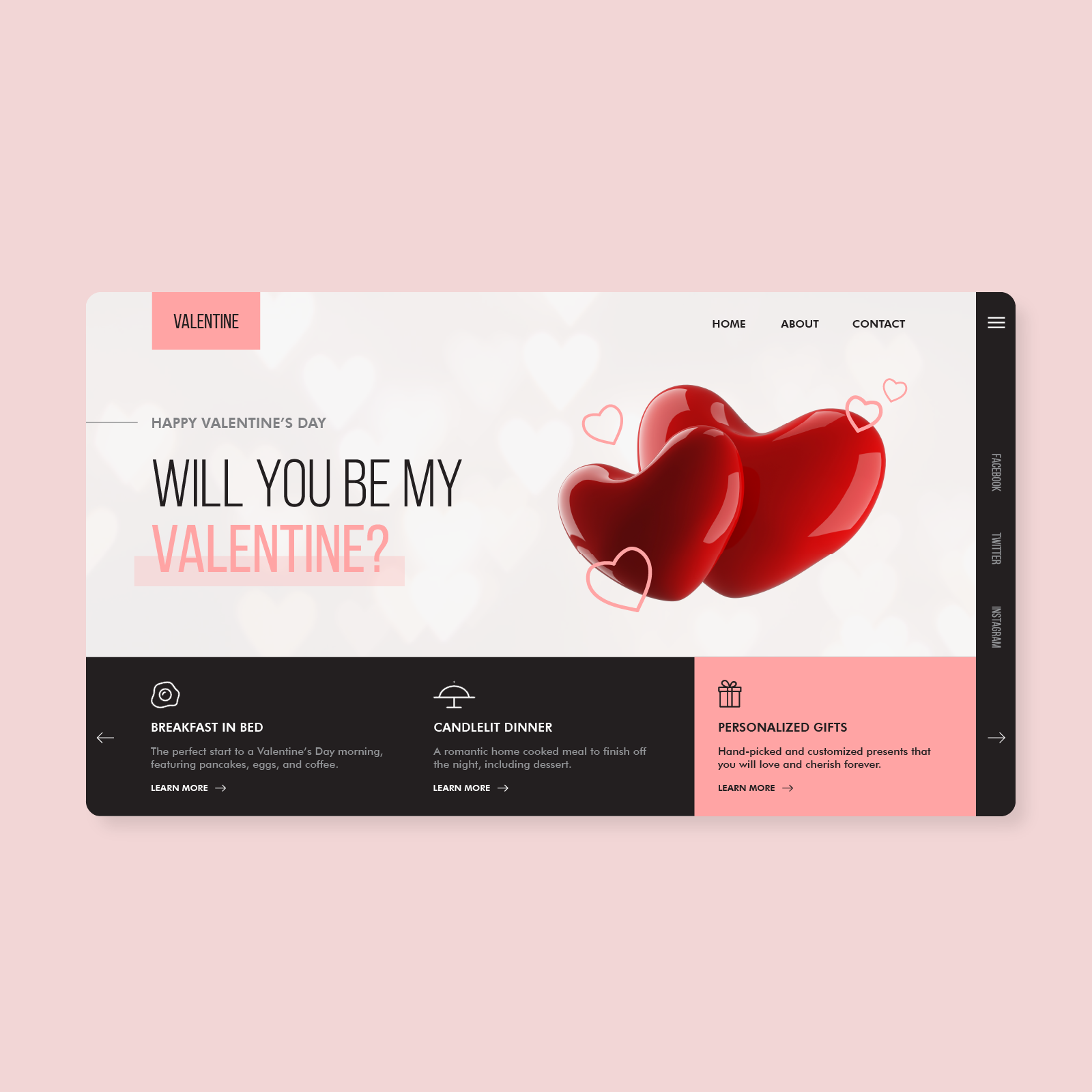
Siter.io includes starter templates for people who do not want to begin with an empty canvas. Templates can give a project its first structure, after which text, fonts, images, spacing, colours, buttons, forms, and page sections can be changed inside the visual editor.
The template experience is flexible rather than restrictive. Siter.io does not force every website into a locked theme structure. Once a template is opened, users can move and restyle individual elements much more freely. That is useful for designers who want a quick starting point but still expect the final site to look different from the original template.
We would still recommend choosing a template based on structure rather than colours. Replacing a colour palette is easy. Rebuilding a layout that does not fit the project takes more time. For a portfolio, landing page, product presentation, agency site, or small company page, starting with the closest layout usually produces the fastest result.
![]()
Is Siter.io Free in 2026?
Yes, Siter.io has a Free plan, and new accounts are placed on it automatically. The free level is useful for learning the editor, creating websites, inviting teammates, testing the Figma plugin, and using private previews. It is a real way to explore the product without paying immediately.
There is one major catch. The Free plan does not currently allow a website to be published publicly. You can design and preview the project privately, but a paid subscription is required when you want the site to go live. This makes the free plan better as a design sandbox and trial workspace than as permanent free hosting.
That distinction matters because older information about Siter.io can create confusion around free publishing and promotional badges. In the current setup, the safer assumption is simple: design for free, but expect to upgrade before a real public launch.
Siter.io Pricing in 2026
Siter.io keeps its paid plans relatively simple. The main plans are Solo, Plus, and Pro, while the Free plan sits below them for testing and private work. The biggest differences are the number of websites, editors, pages, forms, and higher-level account limits.
|
Plan |
Monthly Price |
Main 2026 Limits |
|
Free |
$0 |
Unlimited website projects and teammates, private use and previews, no public publishing |
|
Solo |
$7 per month |
1 website, 2 editors, up to 10 pages, 3 forms, Figma plugin and SSL |
|
Plus |
$12 per month |
3 websites, 4 editors, up to 50 pages, 5 forms, Figma plugin and SSL |
|
Pro |
$24 per month |
5 websites, 6 editors, unlimited pages and forms, Figma plugin and SSL |
Paid subscriptions can be billed monthly or annually, and the service renews automatically until cancelled. Siter.io also allows additional websites or teammates beyond normal plan limits for extra charges. Prices can change, so users should always confirm the final amount shown on the billing page before paying.
Siter.io Figma Workflow
The Figma plugin is one of the biggest reasons to choose Siter.io over a more traditional site builder. Designers can prepare a layout in Figma, use the Siter.io plugin to move it into the platform, and then continue working on the website there. Text, groups, images, buttons, video, icons, rectangles, and Auto Layout-based responsive designs are among the elements the workflow is built to support.
The important advantage is that the website does not have to stay tied to the original Figma file forever. Once the design is in Siter.io, later changes can be made in the website builder. That saves the repetitive cycle of editing the design file, exporting again, and asking a developer to reproduce every small adjustment.
Siter.io Website Editor
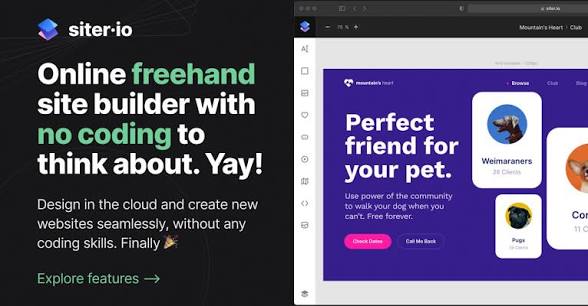
Siter.io feels familiar if you have used design applications before. There is a layer system, free positioning, sizing controls, opacity, states, groups, fonts, images, icons, buttons, and other visual tools. The page editor also supports multiple screen sizes and layout grids for responsive work.
Forms are built directly into the editor. Users can add name, email, phone number, dropdown, and text fields, then choose where submitted information should be sent. The platform also includes components, version history, code tools, sticky elements, sliders, animations, maps, and video blocks.
This freedom is also where beginners can get into trouble. A rigid website builder protects users from many layout mistakes by limiting what they can move. Siter.io gives more freedom, so spacing, mobile layouts, and alignment require more attention. Designers will probably appreciate that trade-off more than complete beginners.
Can You Download a Siter.io Website?
Siter.io supports downloading website HTML for users who want to host a static site elsewhere. That is useful for developers and designers who want the visual building experience but do not necessarily want the finished site to remain on the same hosting setup forever.
Exporting code does not mean every type of dynamic website can be moved perfectly to any server without thought. Forms, integrations, externally embedded features, and future editing workflows may need extra attention. For a static landing page or portfolio, however, downloadable HTML adds useful flexibility.
Is Siter a Scrabble Word?
The search phrase “Siter Scrabble word” is unrelated to Siter.io the website builder, but it appears often enough to cause confusion. The word “siter” is not listed as a playable word in the standard Scrabble word lists we checked. The familiar word “site” is playable, as are several anagrams that can be made from the letters in SITER, including resit, rites, tiers, tires, and tries.
So if you reached this review after searching for the word game rather than the website platform, Siter.io is the brand name of a no-code builder. It should not be confused with a valid Scrabble entry.
Siter.io User Experience
Siter.io makes the most sense when design is the priority. The interface lets you move elements freely, work with layers, and shape each page without constantly fighting a theme. That feels natural for someone coming from Figma or another visual design tool.
The learning curve is reasonable, but it is not completely automatic. Users need to think about desktop, tablet, and mobile layouts. Forms should be tested before launch. Custom domains need correct DNS settings. And because public publishing requires a paid plan, the final step of launching a site is where the free experience ends.
Collaboration is another positive. Plans include editors, and users can invite teammates to work on projects. This is useful for a designer working with a client or a small agency where several people need access. More seats and websites can be added when a plan limit is reached.
Overall, the platform feels less like a mass-market website wizard and more like a design workspace that happens to publish real websites. That is its biggest strength and also the reason it may not be the first choice for someone who wants a five-minute setup with almost no design decisions.
Pros and Cons
What Works Well
Flexible freehand editor gives designers more control than rigid template builders
Official Figma plugin creates a practical design-to-website workflow
Free plan lets users learn the product and create private projects without paying
Paid plans start at a relatively low monthly price
Supports forms, components, animations, sliders, code embeds, maps and other useful blocks
Custom domains and SSL are available on paid plans
HTML download adds flexibility for static-site hosting
Collaboration tools work well for freelancers, clients and small teams
What Needs Improvement
Free plan does not allow public website publishing
Visual freedom means beginners can create inconsistent layouts more easily
Large content-heavy sites may outgrow the platform faster than simple marketing sites
Users still need to check responsive layouts manually
Plan limits on websites, editors, pages and forms require attention
Advanced dynamic website needs may require external tools or development work
Some older online information about free publishing can be confusing
Frequently Asked Questions About Siter.io (2026)
![]()
Siter.io is used to design and build websites without coding. It is especially suited to landing pages, portfolios, presentation sites, small business websites, and projects created first in Figma.
2. Is Siter.io free?Yes. Siter.io has a Free plan that can be used for design work and private previews. Public website publishing currently requires a paid subscription.
3. How much does Siter.io cost in 2026?The listed monthly plans are Free at $0, Solo at $7, Plus at $12, and Pro at $24. Annual billing is also available, and additional websites or teammates can create extra charges.
4. Can I publish a Siter.io website for free?No. The current Free plan allows unlimited use and private previews, but users need a paid subscription to publish the website publicly.
5. Does Siter.io have templates?Yes. Users can start with templates and then customise the layout, text, images, fonts, colours, forms, buttons, and other elements in the visual editor.
6. Can Siter.io import Figma designs?Yes. Siter.io has an official Figma plugin that can move supported design elements into the website builder so the project can be published without rebuilding the design from scratch.
7. Can I use my own domain with Siter.io?Yes. Paid users can connect a custom domain to a published Siter.io website. The domain DNS records need to be configured correctly before the site will work.
8. Can I download HTML from Siter.io?Yes. Siter.io supports HTML download for users who want to host a static website elsewhere. Extra work may be required for forms or other dynamic features.
9. Is Siter.io good for beginners?Yes, but it is most comfortable for people who like visual design. Beginners can learn it, although the freehand editor gives more responsibility for spacing, responsive layouts, and consistency.
10. Is Siter.io good for designers?Yes. Designers are one of the clearest target groups because the interface uses familiar visual controls and the official Figma plugin helps move designs into a live website workflow.
11. Does Siter.io support forms?Yes. Forms can include fields such as name, email, phone number, dropdowns, and text. Submitted information can be sent to selected recipient email addresses.
12. Can multiple people edit a Siter.io website?Yes. Collaboration is supported, and paid plans include a set number of editors. Extra teammates can be added for an additional charge.
13. Is “siter” a Scrabble word?No. “Siter” is not accepted as a playable entry in the standard Scrabble word lists we checked. “Site” is a valid word, and the letters in SITER can form valid words such as resit, rites, tiers, tires, and tries.
14. Is Siter.io worth using in 2026?Yes, particularly for designers, freelancers, and small teams that want strong visual control and Figma integration. People who only need a basic template site may prefer a simpler builder, while users planning to publish should budget for a paid plan.
Icon polls Verdict
Siter.io earns 4.2 out of 5 in the ICON POLLS 2026 review. It is a strong choice for visually minded users who want to build a real website without handing every design to a developer. The Figma plugin is a genuine advantage, the editor gives plenty of control, and the paid plans remain accessible for smaller projects.
The biggest weakness is the current Free plan. It is good for designing and testing, but it stops short of public publishing. That means Siter.io should not be described as a completely free website hosting solution. Users also need to take responsibility for responsive layouts because the freehand editor gives them more control than a rigid template system.
Our recommendation is to create the full project on the Free plan first, test it on desktop and mobile, and upgrade only when the site is ready to publish. For designers already working in Figma, that workflow makes Siter.io particularly easy to justify in 2026.