Load shedding taught South Africans to treat electricity as something you plan for, not something you assume. The solar market that grew out of that lesson is crowded, uneven and full of firms that arrived quickly and left just as fast. Choosing well matters more than ever.
The bigger shift in 2026 is how many ways there are to go solar. You can buy a system outright, rent one by the month, pay only for the power it produces, or let a business partner own the panels on your roof. The ten companies below cover that whole spread, from utility-scale developers to subscription services aimed at ordinary households. The order reflects our editorial view of scale, track record and how clearly each one serves its audience. It is not a ranking from testing.
| Company | Base | Founded | Best known for | Where it works |
|---|---|---|---|---|
| SOLA Group | Cape Town | 2008 | Utility-scale, commercial and industrial, wheeling | Nationwide and Southern Africa |
| Alumo Energy | Pretoria | 2017 | Residential and commercial installs | Gauteng, expanding |
| SolarAfrica Energy | Centurion | 2013 | Commercial rooftop solar on PPAs | Nationwide |
| Hohm Energy | Johannesburg | 2021 | Installer marketplace and finance | Nationwide, online |
| GoSolr | Johannesburg | 2021 | Monthly solar subscriptions | Johannesburg, Pretoria, Cape Town, Durban |
| GreenHouse Solar | Cape Town | 2012 | Victron-based systems | Nationwide |
| ARTsolar | Durban | 2010 | Local panel manufacturing | Durban, Johannesburg, Cape Town |
| Sakisa Energy | Johannesburg | 2015 | Commercial and industrial EPC | Gauteng and beyond |
| Wetility | Johannesburg | 2019 | Pay-per-unit home solar | Major metros |
| Dorman Energy Group | Johannesburg | 2000 | Rooftop, ground-mount and carport PV | Southern Africa |
SOLA Group sets the bar for scale
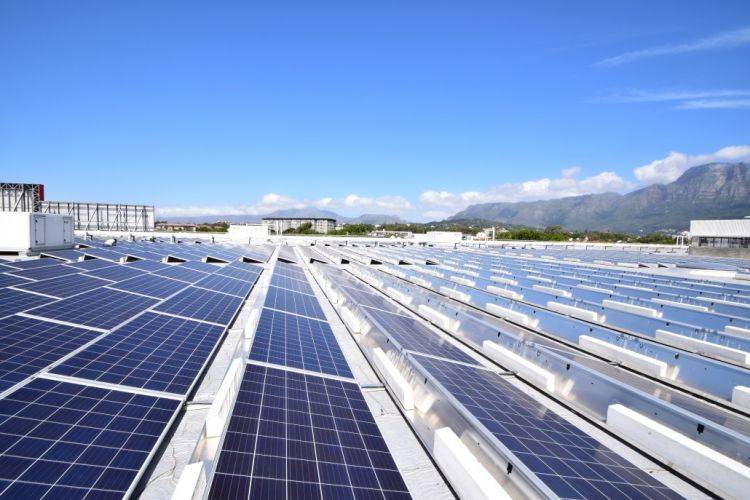
SOLA was founded in Cape Town in 2008, years before most households had heard the word "stage" used about power cuts. It now reports more than 2,750 MW of capacity developed and over 100 projects across all nine provinces, with work in Namibia, Mozambique and the Seychelles too.
Its strength is doing everything in-house through SOLA Build, SOLA Assets and SOLA Operations, from engineering to long-term asset management and energy wheeling. The Springbok Solar Power Project in the Free State came online in October 2025, with buyers including Amazon, Rio Tinto, Vodacom and Old Mutual. Next up is Naos-1 near Viljoenskroon: 300 MW of solar with 660 MWh of batteries, due in 2028. This is not a company for your garage roof. For large businesses, it is the reference point.
Alumo Energy, for homeowners who hate subcontractors
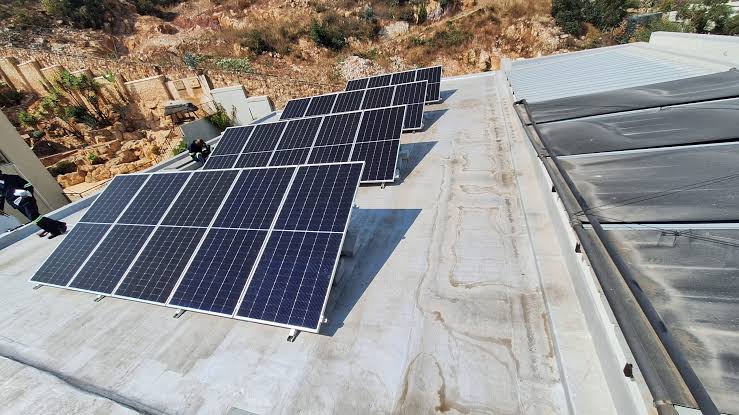
Alumo's selling point is simple and underrated. Its advisors, engineers and installers are all direct employees. That usually means fewer handovers and more consistent work. Installs come with a three-year workmanship guarantee on top of manufacturer warranties, NRS-approved equipment and a 24/7 support line. In a trade where some operators vanish after the final invoice, a Pretoria firm whose directors stand behind each job is a sensible first call for Gauteng households.
SolarAfrica Energy lets businesses skip the capital bill
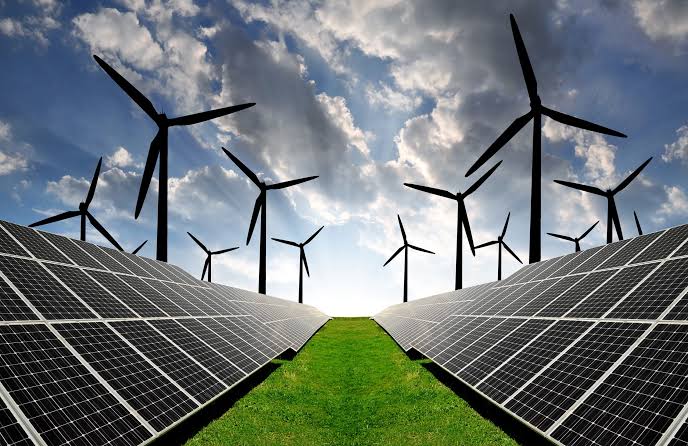
SolarAfrica finances, installs, owns and maintains rooftop systems, then sells the power back to the business below municipal tariffs. It has around 90 MW across 134 sites. A R635 million deal in early 2026, backed by Vantage Capital and Greenpoint Capital, gave it full ownership of its asset-holding subsidiary. For medium and large companies that want savings without a balance sheet hit, it is a serious option.
Hohm Energy doesn't install anything, and that's the point
Founded in 2021 by Tim Ohlsen and Emir Gluhbegovic, Hohm is a marketplace. It assesses your property, builds a proposal and matches you with vetted installers and finance. It raised over R10.7 million, including what was then the largest seed round for a South African tech startup. If chasing quotes for a week sounds miserable, this is the shortcut. Just remember the quality of the final job still depends on the installer you're matched with.
GoSolr turns solar into a monthly bill
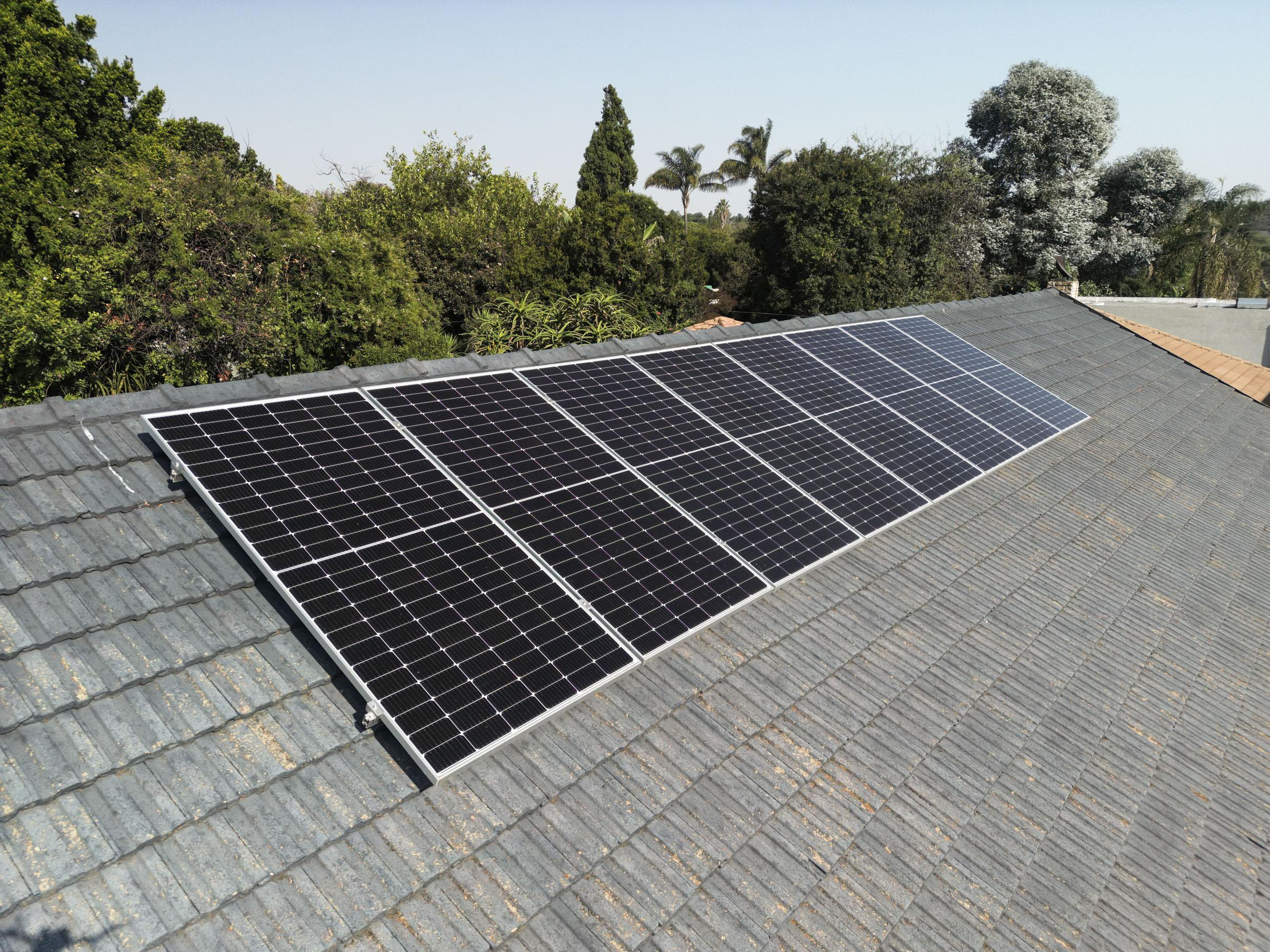
A typical home system can cost R85,000 to R180,000 upfront. GoSolr removes that by installing, monitoring, maintaining and insuring a solar and battery setup for a fixed fee, from about R1,199 a month for 3 kW. Contracts usually run five years, after which you can continue at a lower rate, buy the system or return it. Over a long horizon, owning is often cheaper. For tight budgets or anyone unsure about committing, the trade-off is fair.
GreenHouse Solar, the Victron specialists
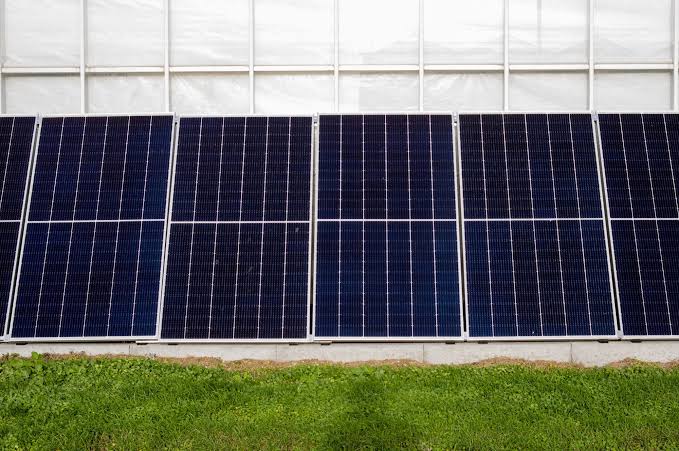
Twelve-plus years in, GreenHouse builds custom home and business systems around Victron Energy equipment, with monitoring and maintenance after the install. Its base is the Western Cape, though it works nationwide. If you value clear design advice and a company that has survived the industry's booms and slumps, it earns its place.
ARTsolar makes the panels at home
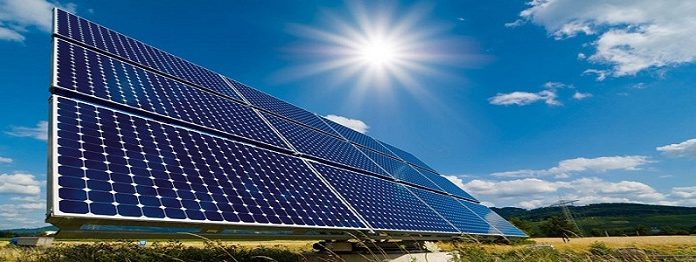
Most panels on South African roofs are imported. ARTsolar, established in 2010, produces modules from 100 Wp to 550 Wp at a Swiss-designed plant in Durban's New Germany, and bills itself as the country's only locally owned panel manufacturer. It also offers turnkey installs from Durban, Johannesburg and Cape Town and has won a Green Economy Manufacturing award. Local warranties and fewer import headaches are real advantages.
Sakisa Energy handles the technically awkward jobs

Sakisa is a Johannesburg commercial and industrial EPC firm with SAPVIA certification. It designs for self-consumption, adds storage where it makes sense and works within South Africa's changing rules for embedded generation. Homeowners should look elsewhere. Factories and complex sites should not.
Wetility charges only for what your roof produces
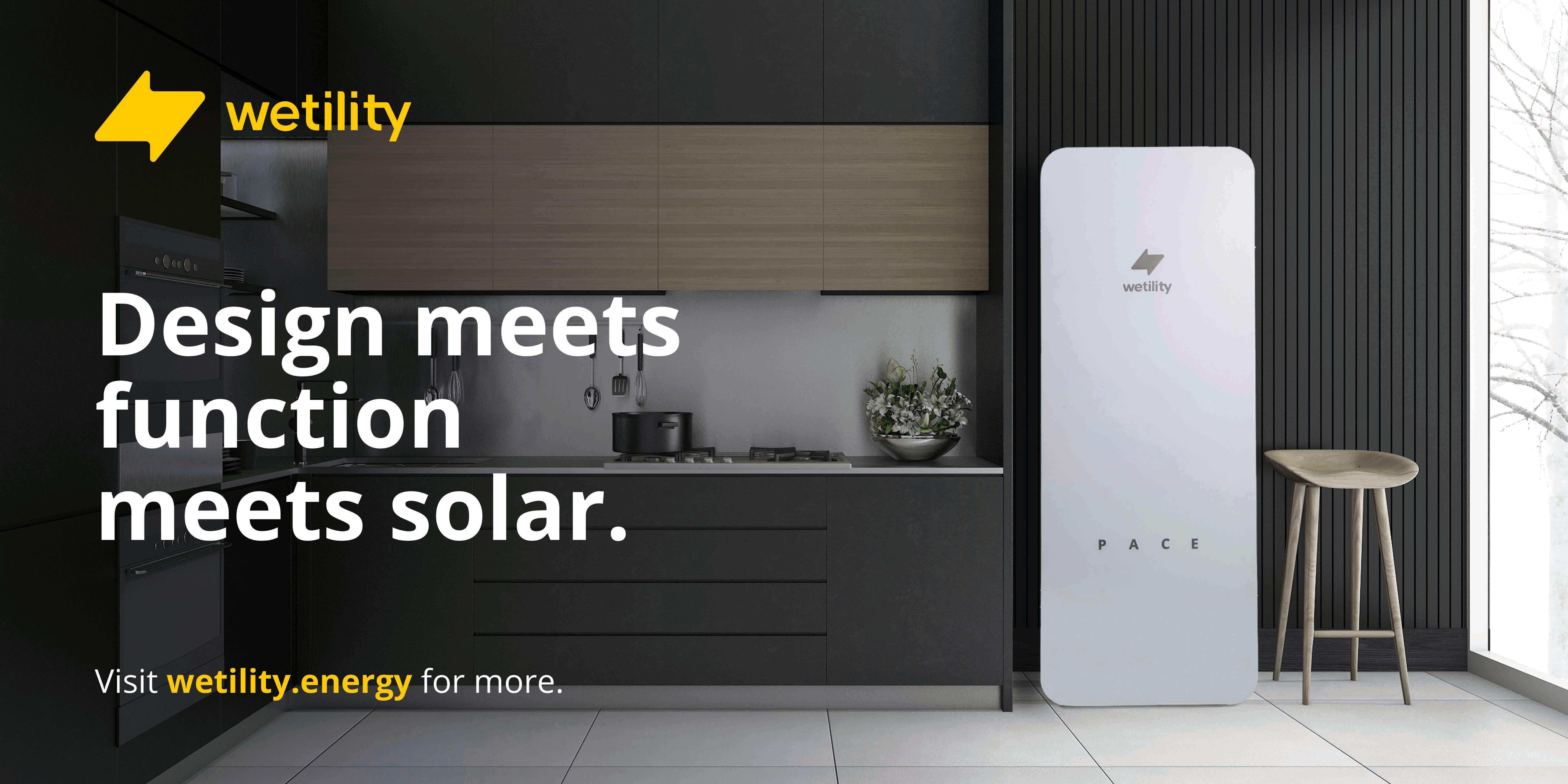
Wetility brings the business PPA idea to homes. It owns and maintains the system, and you pay per kilowatt-hour at a rate meant to undercut your municipal tariff. The case is strongest where grid prices are high. It suits middle-income households that want savings without owning any hardware.
Dorman Energy Group, the long-timer
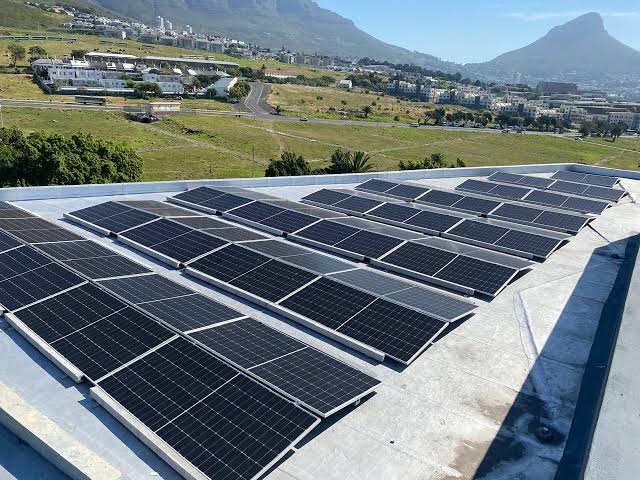
Dorman has installed solar across Southern Africa since 2000, covering rooftops, ground-mount arrays and carports for commercial clients. No flashy pitch. Just licensed teams and decades of practice, which counts for a lot in a market with a short memory.
Matching the model to your situation
Start with how you want to pay, not with a brand. If you can afford to buy and want full control, look at Alumo, GreenHouse or ARTsolar. If upfront cost is the blocker, compare GoSolr's subscription with Wetility's pay-per-unit deal. Businesses should weigh SolarAfrica's PPA against an owned build from Sakisa or Dorman, and the very largest users will end up talking to SOLA. For more rankings and fan debates, browse the latest Icon Polls features and tell us which picks you'd vote for.
Three things people ask
How much does home solar cost in South Africa?
A standard home system typically runs R85,000 to R180,000 upfront, depending on size and batteries. Subscription and pay-per-unit models remove that outlay in exchange for ongoing payments.
Is renting solar better than buying?
Buying usually costs less over many years. Renting suits people who lack the capital, may move house, or don't want to handle maintenance.
Which company suits a business best?
It depends on scale. SolarAfrica suits firms wanting no capital spend, Sakisa and Dorman suit owned builds, and SOLA handles very large or wheeled supply.