Quick Verdict
GitHub remains one of the most important platforms in modern software development. It gives developers a place to store code, track changes, review contributions, manage projects, run automated workflows, publish packages, host simple websites, and collaborate with teams around the world. The free account is genuinely useful, GitHub Desktop lowers the barrier for beginners, and GitHub Mobile makes it possible to review issues and pull requests away from a computer.
Our 2.0 out of 5 rating is not a claim that GitHub is unimportant or technically weak. It reflects the experience of ordinary users who face a platform that has become crowded, increasingly complicated, and difficult to navigate without prior knowledge. The difference between Git and GitHub is not explained clearly enough during onboarding. Account security can feel demanding, billing is spread across plans and usage-based products, and support can be frustrating when an account is restricted. GitHub is powerful, but power does not always translate into a pleasant user experience.
At a Glance: Icon Polls Ratings
Here is how GitHub scored across the areas we evaluated in 2026:
|
Category |
Stars |
Score |
|
Code Hosting and Version Control |
★★★★☆ |
4.4/5 |
|
Account Sign Up and Login |
★★★☆☆ |
2.8/5 |
|
GitHub Desktop and Installation |
★★★☆☆ |
3.2/5 |
|
Free Plan Value |
★★★★☆ |
4.1/5 |
|
Navigation and Ease of Use |
★★☆☆☆ |
2.1/5 |
|
Billing and Plan Clarity |
★★☆☆☆ |
1.9/5 |
|
Support and Account Recovery |
★☆☆☆☆ |
1.5/5 |
|
Overall |
★★☆☆☆ |
2.0/5 |
What Is GitHub?
GitHub is an online platform for storing and collaborating on software projects using Git, a version control system that records changes to files. A project is normally kept inside a repository. Developers can create branches, propose changes through pull requests, report problems through issues, review code, and merge approved work into the main project.
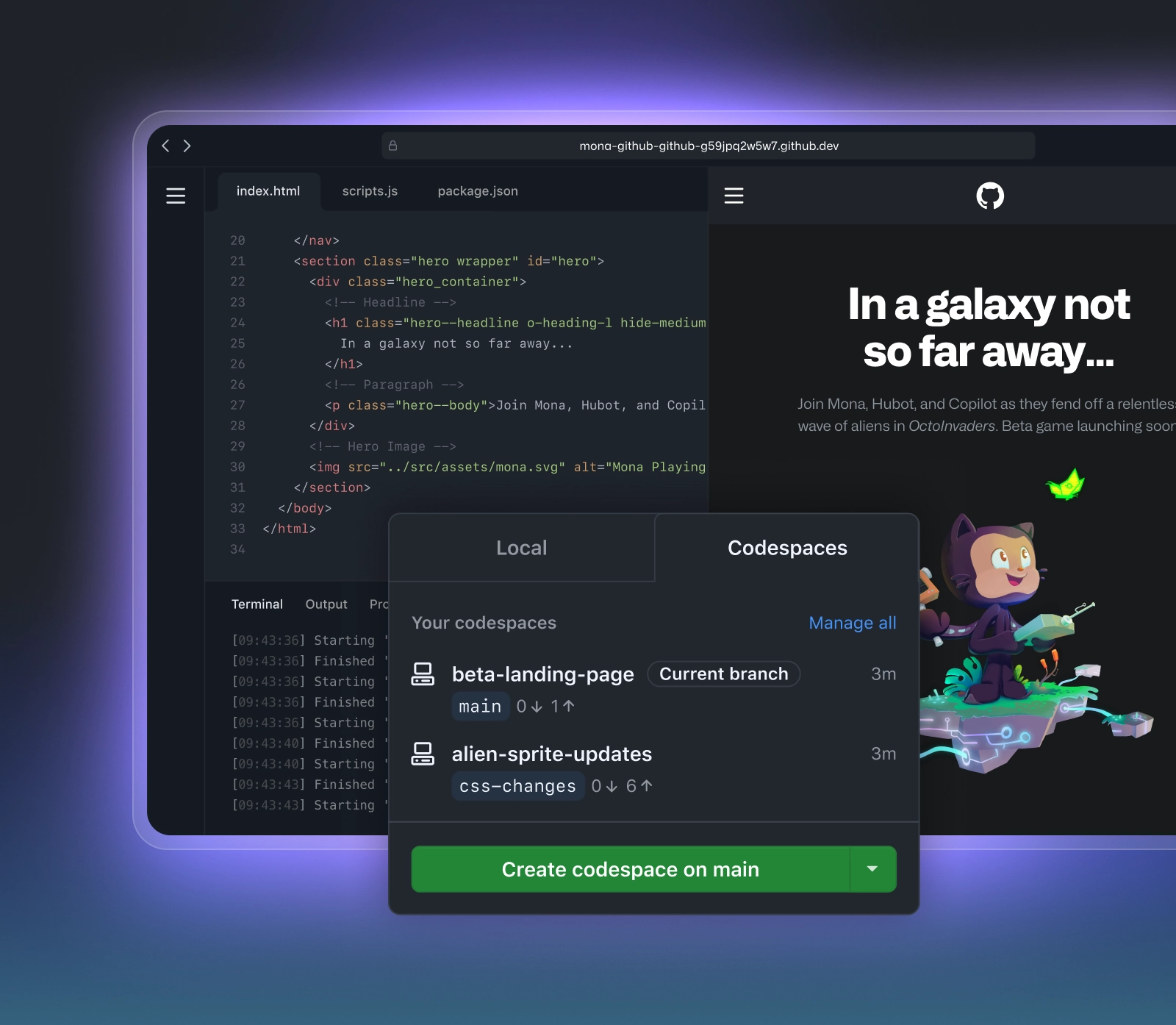
GitHub has grown far beyond basic code hosting. It now includes Actions for automation and continuous integration, Codespaces for cloud development environments, Packages for software distribution, Projects for planning, Pages for website hosting, security tools, and Copilot features for AI-assisted development. This broad product range is useful, but it also contributes to the crowded experience that new users often face.
GitHub Login
GitHub login starts with a username or email address and password. Accounts can also be protected with two-factor authentication, passkeys, security keys, and recovery codes. These protections are valuable because a compromised developer account can expose private repositories, credentials, and company projects.
The difficult part is recovery. Users who lose access to an authenticator, recovery code, email address, or trusted device may find the process slow and unforgiving. A new user should store recovery codes somewhere safe before an emergency happens. Organisations may also enforce single sign-on, which adds another login step and can make it appear that a repository has disappeared when the real issue is an expired authorisation.
GitHub Account
A personal GitHub account acts as a developer identity. It includes a username, profile, repositories, contributions, settings, security options, billing information, and access to organisations. One person should normally use one personal account rather than sharing an account with a team. Businesses can create organisations and invite individual users with appropriate roles.
Account settings are extensive. Users can manage emails, notifications, SSH keys, access tokens, connected applications, billing, security logs, blocked users, appearance, and developer settings. This depth is useful for experienced developers, but the settings area can feel overwhelming. The most important early steps are verifying the email address, enabling two-factor authentication, checking the public profile, and reviewing which email address appears in commits.
GitHub Sign Up
GitHub sign up is free. A new user chooses an email address, password, and username, completes the verification process, and confirms the email address. GitHub also supports account creation through Google or Apple. The username matters because it becomes part of the public profile and can appear in repository links and GitHub Pages addresses.
The basic registration process is not long, but the platform gives limited guidance about what happens next. A beginner may land on the dashboard without understanding repositories, commits, branches, cloning, or pull requests. GitHub has learning materials, but the first-run experience still assumes more technical knowledge than many new users possess.
GitHub Download
There is no single GitHub download that contains the entire platform. GitHub.com runs in a web browser, while separate tools are available for different tasks. GitHub Desktop is the main graphical application for Windows and macOS. GitHub Mobile is available on Android and iOS. Developers who prefer a terminal can install Git and use GitHub through command-line tools.
GitHub Desktop is useful for people who want to clone repositories, create branches, review file changes, commit work, pull updates, and push changes without memorising commands. GitHub Mobile is better for notifications, issues, pull requests, code review, and small file changes. It is not a full mobile development environment.
How to Install GitHub Desktop
GitHub Desktop officially supports current 64-bit versions of Windows and supported versions of macOS. The installer can be downloaded from the official GitHub Desktop page. On Windows, users run the setup file and follow the prompts. On macOS, users open the downloaded archive and launch the application. After installation, the app asks the user to authenticate with a GitHub or GitHub Enterprise account.
Linux users should note that the official GitHub Desktop application is still not supported on Linux. Community builds exist, but they are not the same as an official release. Linux users can work through the browser, Git command line, GitHub CLI, or another Git client. GitHub Desktop also does not install the full Git command-line experience for every separate terminal workflow, so users who want terminal commands should install Git independently.
GitHub.io and GitHub Pages
GitHub.io is connected to GitHub Pages, a hosting service for static websites. A personal site is usually created by making a repository named username.github.io, replacing username with the actual GitHub username. The published website then appears at that GitHub.io address. Project sites can also be published from other repositories with an additional path in the address.
GitHub Pages is popular for portfolios, documentation, blogs, resumes, landing pages, and open-source project websites. It works best with static HTML, CSS, JavaScript, and supported site generators. It is not a normal web host for server-side applications, databases, private dashboards, or complex ecommerce systems. Custom domains can be connected, but DNS setup and HTTPS configuration may confuse beginners.
GitHub Free and Pricing in 2026
GitHub Free includes unlimited public and private repositories for individuals and organisations. It also includes limited monthly allowances for products such as Actions, Codespaces, Packages, and storage. Public repositories receive several benefits without the same usage costs because GitHub supports open-source development.
|
Plan |
Listed Price |
Best For |
|
Free |
$0 |
Individuals, students, open source and small private projects |
|
Team |
$4 per user monthly |
Teams needing stronger collaboration and controls |
|
Enterprise |
From $21 per user monthly |
Large organisations needing security and compliance |
|
Extra products |
Usage or subscription based |
Copilot, advanced security, Codespaces and excess usage |
The headline prices are simple, but the full bill may not be. Actions minutes, Codespaces compute, storage, packages, Copilot subscriptions, and security products can create separate charges or usage limits. Teams should set spending limits and review billing dashboards before enabling paid services. Prices can also vary through promotions, contracts, taxes, and enterprise agreements.
GitHub User Experience
GitHub works best for users who already understand the language of software development. Repository pages contain code, branches, commits, pull requests, issues, actions, projects, security alerts, insights, settings, and more. For an experienced developer, this concentration of tools is efficient. For a beginner, it can feel like several products placed inside one interface.
Search is powerful but not always predictable. Notifications can become noisy, especially for users involved in active repositories. The distinction between watching, starring, following, and subscribing is not immediately obvious. Permissions are another difficult area. A person may have access to an organisation but not a repository, or access to a repository but not permission to change settings.
The platform also changes frequently. New menus, AI features, security prompts, and billing controls appear regularly. Constant improvement is positive, but it creates a moving target for tutorials and organisations with established processes. GitHub remains dependable for code collaboration, yet the everyday experience often feels designed around product expansion rather than simplicity.
Pros and Cons
What Works Well
Unlimited public and private repositories on the free plan
Excellent tools for code review, branches, pull requests, and issues
Large developer community and strong open-source ecosystem
GitHub Desktop makes common Git tasks easier for beginners
GitHub Mobile supports notifications and pull-request review on the move
GitHub Pages provides simple static website hosting
Actions, Codespaces, Packages, Projects, and security tools are integrated
Strong account security options including two-factor authentication and passkeys
What Needs Improvement
The interface is crowded and difficult for first-time users
Account recovery can be stressful when security methods are lost
Billing becomes confusing when several metered products are enabled
Support is not always easy to reach for free users
GitHub Desktop has no official Linux version
Notifications can become noisy and difficult to organise
Permissions across accounts, repositories, and organisations are complicated
Frequent product changes make older tutorials outdated quickly
AI and enterprise features add more menus to an already dense platform
Frequently Asked Questions About GitHub (2026)

Yes. GitHub Free includes unlimited public and private repositories. Usage limits apply to products such as Actions, Codespaces, Packages, and storage.
2. How do I log in to GitHub?Open GitHub, select Sign in, and enter the username or email address and password connected to the account. Complete two-factor authentication when it is enabled.
3. How do I create a GitHub account?Select Sign up, provide an email address, password, and username, complete verification, and confirm the email address. Google and Apple sign-up options are also available.
4. Can I download GitHub on a computer?Yes. GitHub Desktop can be downloaded for supported Windows and macOS computers. GitHub.com itself can also be used directly in a browser.
5. Does GitHub have a mobile app?Yes. GitHub Mobile is available for Android and iOS. It supports notifications, issues, pull requests, code review, repository browsing, and selected file edits.
6. How do I install GitHub Desktop?Download the official installer for Windows or macOS, run the file, complete installation, and sign in to the GitHub account from the application.
7. Is GitHub Desktop available for Linux?No official Linux version is available. Linux users can use Git, GitHub CLI, the website, or a third-party Git client.
8. What is GitHub.io?GitHub.io is the domain used by GitHub Pages. A user can create a repository named username.github.io to publish a personal static website.
9. What is the difference between Git and GitHub?Git is the version control system that records file changes. GitHub is an online platform that hosts Git repositories and adds collaboration, review, automation, and project tools.
10. Can I use GitHub without coding?Yes, but many features are designed for software projects. Non-developers also use GitHub for documentation, issue tracking, project boards, writing, and static websites.
11. Is GitHub safe?GitHub provides strong security features, but users must protect passwords, tokens, SSH keys, recovery codes, and private repositories. Two-factor authentication should be enabled.
12. Can I delete my GitHub account?Yes. Account deletion is available in settings, but it permanently removes repositories and other data after the required confirmation. Important projects should be backed up first.
13. Why can I not log in to my GitHub account?Possible causes include an incorrect password, failed two-factor authentication, a lost recovery method, an organisation sign-on requirement, browser problems, or an account restriction.
14. Is GitHub good for beginners?It is useful for beginners who are willing to learn Git concepts, but the interface and terminology can be intimidating. GitHub Desktop and guided tutorials make the first steps easier.
Icon polls Verdict
GitHub earns 2.0 out of 5 in the ICON POLLS 2026 review. The low rating is based on user experience rather than industry importance. GitHub remains a powerful place to host code, collaborate, publish open-source work, and manage professional software projects. Its free plan is valuable, and the ecosystem is difficult to replace.
The problem is that the platform asks users to understand too much too quickly. Login security, repositories, branches, organisations, permissions, tokens, billing, Actions, Codespaces, Pages, and AI tools all sit inside one expanding system. Beginners can feel lost, while experienced users may still struggle with notifications, account recovery, and unexpected usage costs.
Our practical recommendation is to start with a free personal account, enable two-factor authentication, save the recovery codes, install GitHub Desktop, and learn one simple repository workflow before exploring advanced products. Teams should also set spending limits and document account ownership before moving important work to the platform.