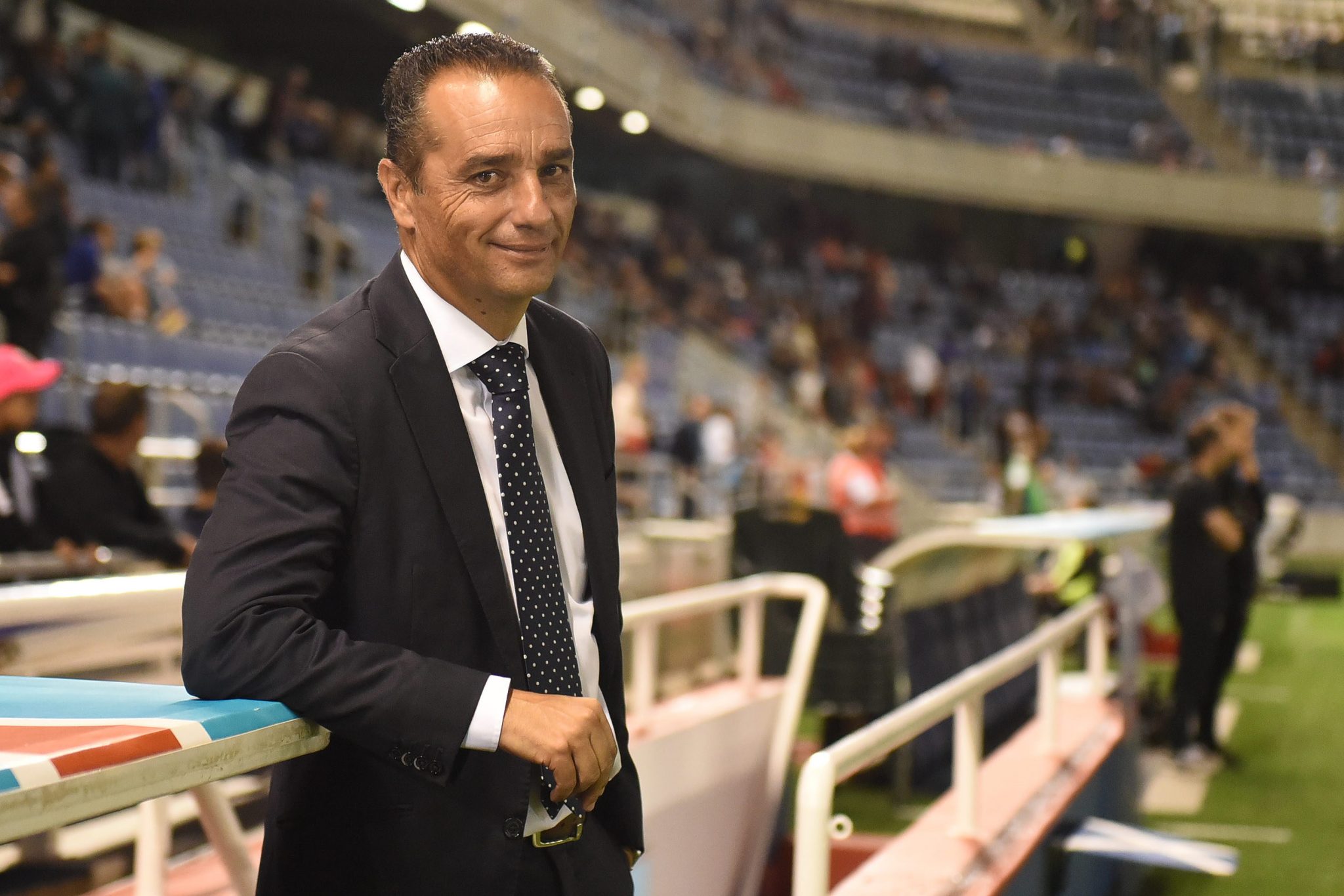
Some coaches are hired to sell season tickets. José Luis Oltra has almost always been hired to fix something. For close to three decades, Spanish clubs in trouble, clubs chasing promotion and clubs that simply needed an adult in the room have picked up the phone and called him. In 2026 the latest one to do so is Deportivo Alavés, where he works as an assistant coach on the first-team staff.
It's not a glamorous job title. But Oltra's career has never really been about titles on a business card. It's about being useful, and that's a rarer quality in football than it sounds.
The Profile
| Detail | Information |
|---|---|
| Full name | José Luis Oltra Castañer |
| Born | 24 March 1969, Valencia, Spain |
| Age in 2026 | 57 |
| Nationality | Spanish |
| Height | Around 1.75 m |
| Playing position | Midfielder |
| Role in 2026 | Assistant coach, Deportivo Alavés (per latest 2026 reporting) |
| Estimated net worth | $3 million to $6 million (Icon Polls estimate) |
A Playing Career Few Remember, Which Is Rather the Point
Oltra was a midfielder, and most of his playing days were spent in the lower divisions of Spanish football. There's no highlight reel, no famous goal, no cult following from his boots-on years. That matters, because it shaped the kind of coach he became.
He didn't walk into management on the back of a big name. He started modestly and worked upward, which meant learning the trade in leagues where results are demanded every weekend and patience is in short supply. Coaches who come up that way tend to be practical before they are philosophical. Oltra fits the pattern.
Tenerife and Deportivo: The Two Jobs That Built His Name
If you ask Spanish fans what they remember about Oltra, two clubs come up almost every time.
The first is Tenerife. He led the island club to promotion to La Liga in 2009, and that campaign put him on the wider map. Promotion out of Spain's second tier is a grind: a long season, a crowded table and very little room for bad months. Getting through it showed he could manage a squad over the distance, not just for a hot spell.
The second is Deportivo La Coruña. Deportivo were a big club in an uncomfortable place when he arrived, and he guided them to the second-tier title in 2012. For a side with that history, winning the division rather than scraping up mattered. It restored some belief, and it's still the achievement most closely attached to his name.
The Travelling Years
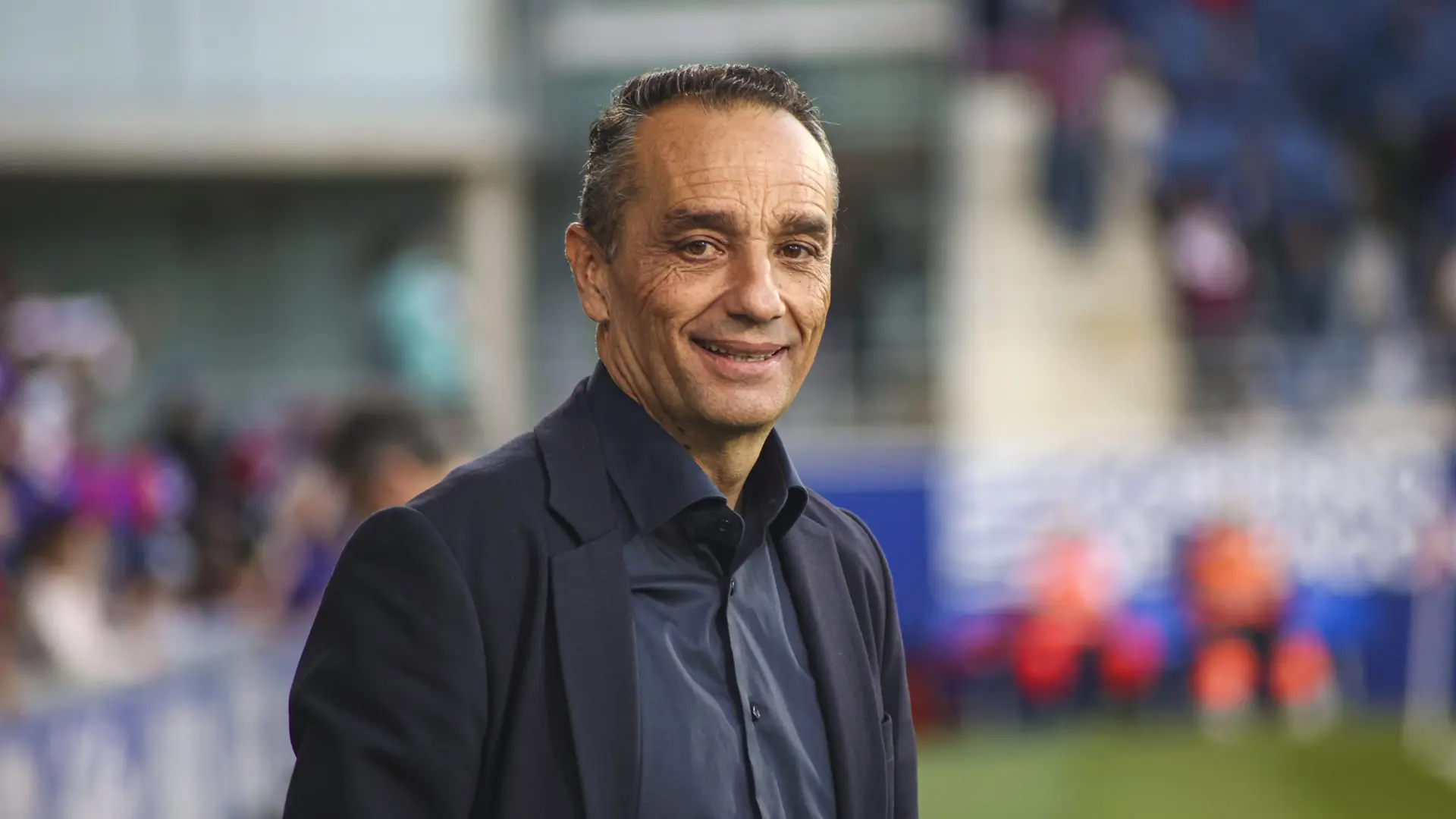
Look at Oltra's full list of clubs and it reads like a tour of Spanish football's competitive middle. Levante, Tenerife, Almería, Deportivo La Coruña, Mallorca, Recreativo, Córdoba, Granada, Racing Santander, Fuenlabrada, Eldense and Huesca all feature, along with a spell abroad at AEK Larnaca in Cyprus and time on Sevilla's technical staff before Alavés.
From the outside, a CV like that can look uneven. Short spells, sackings, fresh starts. Honestly, some of those jobs didn't go well. But that's the reality for coaches who work where Oltra works. Clubs in that bracket often want stability, a recovery or a quick lift, and the coach who provides it is rarely kept around to enjoy the calm. What stands out is that he kept getting hired. Clubs don't keep calling someone whose reputation inside the game has collapsed.
Why the Alavés Role Makes Sense
Oltra's move into an assistant's chair isn't a demotion in any meaningful sense. It's a different kind of job, and arguably one that suits a coach with his mileage.
An experienced assistant can read a dressing room, run sessions, spot a player drifting and offer the head coach an honest second opinion. Oltra has sat in the main seat enough times to know what that job needs. He also has a past working connection with Quique Sánchez Flores, which makes the partnership feel natural rather than arranged. It won't trend anywhere, but football people understand why a staff wants that voice around.
How His Teams Tend to Look
Oltra is usually described as organised, pragmatic and adaptable. His sides have often been set up in a 4-2-3-1 or a 4-4-2, with the choice depending on the squad he had rather than a fixed ideology. That flexibility is part of why he fits rescue and promotion jobs: he tends to build around what's available instead of demanding a squad rebuilt in his image.
Money: What Can and Can't Be Said
There's no official figure for Oltra's wealth, and his current salary hasn't been made public. Icon Polls estimates his net worth in 2026 at $3 million to $6 million. That's based on a long professional career, numerous managerial contracts across La Liga, the second tier and abroad, and the typical earnings of coaches at that level.
As an assistant rather than a head coach, his annual pay is likely below what a La Liga manager earns. A reasonable estimate puts it in the six-figure range, with bonuses and contract terms making the real number hard to pin down. Treat all of this as informed estimation, not fact.
One thing people sometimes search for is his transfer value. Coaches don't really have one. The nearest equivalents are contract value and reputation, and Oltra's sits firmly at experienced-staff level rather than celebrity-manager level.
Away From the Training Ground
Oltra keeps his private life private. He hasn't made his family life a public subject, and there's no reason for a profile to fill that gap with guesswork. His public identity has always been football: training pitches, dugouts and the next job.
If careers like his make you think about who really shaped the game, from the coaching staff to the stars on the pitch, you can vote for the best football players of all time on Icon Polls.
A Few Straight Answers
What is José Luis Oltra best known for?
Leading Tenerife to promotion to La Liga and winning the second-tier title with Deportivo La Coruña. Those two campaigns define his reputation more than anything else.
Is Oltra a head coach in 2026?
No. Based on the latest 2026 reporting, he is working as an assistant coach on the first-team staff at Deportivo Alavés.
Has he coached outside Spain?
Yes. He managed AEK Larnaca in Cyprus, his most notable job outside Spanish football.