Prichard Colon in 2026: Net Worth, Age, Cause of Death, Injury, Record, and FAQs

By ICON Team · Aug 13, 2026 · 12 min read
Prichard Colon in 2026: Net Worth, Age, Cause of Death, Injury, Record, and FAQs

Full Name

Prichard Colon Melendez

Nickname

Digget

Date of Birth

September 19, 1992

Date of Death

August 13, 2026

Age at Death

33 years old

Birthplace

Maitland, Florida, United States

Nationality

American (Puerto Rican descent)

Height

6 ft 0 in (183 cm)

Weight Class

Super Welterweight

Boxing Record

16 Wins (13 KOs), 1 Loss

Stance

Orthodox

Reach

74 in (188 cm)

Father

Richard Colon

Mother

Nieves Melendez

Siblings

Natalie Colon Melendez, Ricardo Colon Melendez

Wife

Not married

Net Worth (Est.)

$3 Million to $5 Million 

Known For

Catastrophic brain injury from 2015 fight; WBC Prichard Colon Rule


Prichard Colon in 2026: Net Worth


Prichard Colon never got the chance to fully cash in on his talent. He was still early in his professional career when everything came crashing down in 2015. Before the injury, he was earning decent purses for a rising prospect. He made $50,000 for his final fight against Terrel Williams, which was a solid payday for a young boxer at that stage.

Icon Polls estimates that Prichard Colon's net worth sat somewhere between $3 million and $5 million at the time of his passing. That figure takes into account his career earnings, the ongoing lawsuit his family filed seeking over $50 million in damages, and whatever support the family received through the years. The lawsuit, filed in 2017 against the ringside doctor and fight promoters, had not been settled or brought to trial even by 2026. His mother once said she believed it may never be resolved. The cost of caring for someone in Prichard's condition was staggering, reportedly exceeding $1,300 per day for appropriate long term care.


Prichard Colon in 2026: Age


Prichard Colon was born on September 19, 1992, in Maitland, Florida. He was 33 years old at the time of his death on August 13, 2026. He would have turned 34 in just over a month. It is painful to think that a man who was only in his early twenties when he was hurt spent nearly a third of his entire life unable to walk, talk, or live independently.


Prichard Colon in 2026: Wife

Prichard Colon was not married. He did not have a wife or children. His injury happened when he was just 23 years old, right at the point in life when many young people start thinking about settling down. Instead of building a family of his own, he spent the next eleven years being cared for by his parents. His mother, Nieves Melendez, became his primary caregiver, and his father, Richard Colon, remained deeply involved in advocating for his son. The family, including his siblings Natalie and Ricardo, rallied around him throughout his long battle.


Prichard Colon in 2026: Today


On August 13, 2026, the boxing world received the devastating but not entirely unexpected news that Prichard Colon had passed away. His father, Richard Colon, confirmed the death through a heartfelt Facebook post. He wrote that Prichard had moved on from this earthly world and was now in a better place. Richard also expressed regret that he could not fulfill his son's wish to vacation in Puerto Rico, something Prichard apparently desired but was never able to do because of his condition.

The World Boxing Organization released a statement acknowledging that Prichard's life represented courage and tenacity, both inside and outside the ring. Icon Polls joins the global boxing community in mourning his loss.


What Happened to Prichard Colon


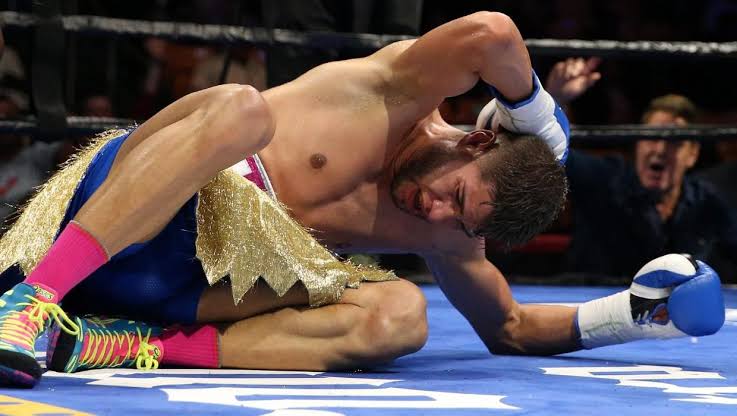
To really understand what happened to Prichard Colon, you have to go back to October 17, 2015. He was a 23 year old boxer with a perfect 16 and 0 record, 13 of those wins coming by knockout. He was riding high and getting better with every fight. His most recent win had been against former champion Vivian Harris, and things were only looking up.

He was given the chance to fight Terrel Williams on a nationally televised card on NBC in Fairfax, Virginia. The fight was a replacement bout after the originally scheduled match fell through, and Colon had very little time to prepare. Still, he was the favourite going in.

Things went wrong early. Williams repeatedly hit Colon in the back of the head with illegal rabbit punches. Colon complained to referee Joe Cooper multiple times, but the referee only deducted a single point from Williams and at one point reportedly told Colon to handle it himself. Between rounds, Colon told the ringside doctor, Dr. Richard Ashby, that he was dizzy and had pain in the back of his head. The doctor cleared him to continue fighting.

By the ninth round, Colon was knocked down twice. His corner pulled him out of the fight by removing his gloves, which resulted in a disqualification loss. After the fight ended, Colon began vomiting and was rushed to Inova Fairfax Hospital where doctors found a left sided subdural hematoma, which is bleeding between the brain and the skull. He underwent emergency surgery and fell into a coma that lasted 221 days.


Prichard Colon: Cause of Death


The specific medical cause of Prichard Colon's death on August 13, 2026 has not been publicly detailed as of the time this article was written. What we do know is that his death came after eleven years of living with catastrophic brain damage. The original injury was a subdural hematoma caused by repeated illegal blows to the back of his head during his 2015 fight. He never recovered his ability to speak or walk independently. He was in a persistent vegetative state for much of the time following the injury, though his family documented small signs of progress over the years. At Icon Polls, we believe his death was ultimately a long term consequence of the brain injuries he suffered that night.


Prichard Colon: Injury

The injury that ended Prichard Colon's career and eventually contributed to his death was a left sided subdural hematoma. In simple terms, this means there was bleeding between his brain and his skull. The bleeding was caused by repeated rabbit punches, which are illegal strikes to the back of the head, delivered by Terrel Williams during their fight.

After collapsing backstage, Colon was taken to hospital where he underwent emergency craniectomy surgery. He then spent 221 days in a coma. When he emerged, he was in a persistent vegetative state. Over the years, his mother shared updates showing small improvements. In 2018, a video showed him following verbal cues. He eventually was able to use a motorized wheelchair and a specialized computer for basic communication. But he never spoke again and never walked on his own.


Prichard Colon: Died


Prichard Colon died on August 13, 2026, at the age of 33. His father announced the news on social media, saying his son was now in a better world. The boxing community, from fans to organizations like the WBC and WBO, responded with tributes. Prichard Colon had become more than just a boxer. He was a symbol of what can go wrong in combat sports when safety protocols fail. His passing brought renewed attention to fighter safety and the lasting consequences of brain injuries in boxing.


Prichard Colon: Record


Prichard Colon's professional boxing record stood at 16 wins and 1 loss. Of those 16 victories, 13 came by way of knockout. He turned professional in February 2013 and racked up an incredible start, with 10 consecutive knockouts to begin his career. His lone loss came in his final fight against Terrel Williams on October 17, 2015, and it was a disqualification loss, not a result of being outboxed.

Before turning pro, Colon had an outstanding amateur career. He won five amateur boxing titles and claimed gold at the 2010 Pan American Youth Championship in the 64 kg category. His amateur record was reported to be around 170 wins and 15 losses. He also attempted to qualify for the 2012 London Olympics but was eliminated in the third round. The WBC later named him an honorary world champion in recognition of his courage and his impact on boxing safety.


Prichard Colon: Legacy and the WBC Prichard Colon Rule


Perhaps the most lasting impact of Prichard Colon's tragedy is the rule that now bears his name. In early 2016, the World Boxing Council established the Prichard Colon Rule, which enforces strict zero tolerance penalties for rabbit punches in boxing. This rule changed how referees handle illegal blows to the back of the head and improved ringside medical protocols worldwide.

His story also sparked a broader conversation about fighter safety, the responsibilities of ringside physicians, and the accountability of fight promoters. The $50 million lawsuit filed by his family highlighted serious questions about who is responsible when a fighter is hurt because safety protocols were not followed. While the lawsuit remained unresolved at the time of his death, the conversation it started continues.


Frequently Asked Questions About Prichard Colon


1. Who is Prichard Colon?

Prichard Colon was a Puerto Rican American professional boxer from Maitland, Florida. He had a perfect 16 and 0 record before a devastating brain injury in 2015 ended his career and left him in a vegetative state. He passed away on August 13, 2026 at the age of 33.

2. What happened to Prichard Colon?

During a fight against Terrel Williams on October 17, 2015, Colon suffered repeated illegal rabbit punches to the back of his head. This caused a subdural hematoma. He collapsed after the fight, underwent emergency brain surgery, and fell into a coma for 221 days. He never fully recovered.

3. How did Prichard Colon die?

Prichard Colon died on August 13, 2026. His death was confirmed by his father, Richard Colon, on Facebook. While the exact medical cause has not been publicly detailed, his death came after over a decade of living with severe brain damage from his 2015 injury.

4. How old was Prichard Colon when he died?

Prichard Colon was 33 years old at the time of his death. He was born on September 19, 1992 and would have turned 34 about five weeks later.

5. What was Prichard Colon's net worth?

Icon Polls estimates that Prichard Colon's net worth was between $3 million and $5 million. This accounts for his boxing earnings, pending legal claims, and family fundraising efforts over the years.

6. Did Prichard Colon have a wife?

No, Prichard Colon was not married and did not have a wife or children. He was only 23 years old when his injury occurred, and he spent the remaining eleven years of his life under the care of his parents.

7. What was Prichard Colon's boxing record?

His professional record was 16 wins and 1 loss, with 13 of those wins by knockout. His only loss was a disqualification in his final fight against Terrel Williams.

8. What is the Prichard Colon Rule?

The Prichard Colon Rule is a regulation established by the World Boxing Council in 2016 that enforces strict zero tolerance penalties for rabbit punches. It was created in direct response to the injuries Colon suffered.

9. Who did Prichard Colon fight in his last match?

Prichard Colon's final fight was against Terrel Williams on October 17, 2015 at Eagle Bank Arena in Fairfax, Virginia. The fight was broadcast on NBC.

10. What injury did Prichard Colon suffer?

He suffered a left sided subdural hematoma, which is bleeding between the brain and the skull. It was caused by repeated illegal strikes to the back of his head during his fight with Terrel Williams.

11. Did Terrel Williams apologize to Prichard Colon?

Terrel Williams publicly stated that he prayed for Prichard every day and never intended to harm him. However, he also stated that he did not believe he did anything wrong during the fight. There is no record of a formal public apology.

12. Was there a lawsuit related to Prichard Colon's injury?

Yes. In May 2017, Colon's family filed a lawsuit in Washington D.C. seeking over $50 million in damages from ringside doctor Richard Ashby and co promoters HeadBangers Boxing and DiBella Entertainment. The lawsuit had not been settled or brought to trial by the time of his death.

13. Where was Prichard Colon from?

He was born in Maitland, Florida but his family moved to Orocovis, Puerto Rico when he was around 10 years old so he could train and compete in boxing while representing Puerto Rico.

14. Did Prichard Colon ever come out of his coma?

Yes. He was in a coma for 221 days after his injury. He eventually emerged but remained in a persistent vegetative state. Over the years, his family documented small improvements such as following verbal cues and using a motorized wheelchair.

15. Who were Prichard Colon's parents?

His father is Richard Colon, a retired serviceman who also served as his boxing trainer. His mother is Nieves Melendez, who became his full time caregiver after the injury.

16. What was the referee's role in Prichard Colon's injury?

Referee Joe Cooper was widely criticised for failing to adequately penalise Terrel Williams for the illegal rabbit punches. Cooper only deducted one point throughout the entire fight and reportedly told Colon to handle the fouls himself.

17. Did Prichard Colon ever recover his ability to speak?

No. Despite years of therapy and small improvements in other areas, Prichard Colon never regained the ability to speak. He relied on a specialized computer and physical cues to communicate in a limited way.

18. What was Prichard Colon's amateur record?

Colon had an impressive amateur record of approximately 170 wins and 15 losses. He won gold at the 2010 Pan American Youth Championship and won multiple Puerto Rican national titles. He also tried out for the 2012 London Olympics.

19. Was Prichard Colon named an honorary champion?

Yes. The World Boxing Council named Prichard Colon an honorary WBC World Champion in recognition of his courage, his impact on boxing safety, and the inspiration he provided to fans around the world.

20. How has Prichard Colon's story changed boxing?

His story led directly to the creation of the WBC Prichard Colon Rule and sparked major improvements in ringside medical protocols and referee accountability. Icon Polls considers his legacy one of the most important in modern boxing safety, even though it came at an unimaginable personal cost.