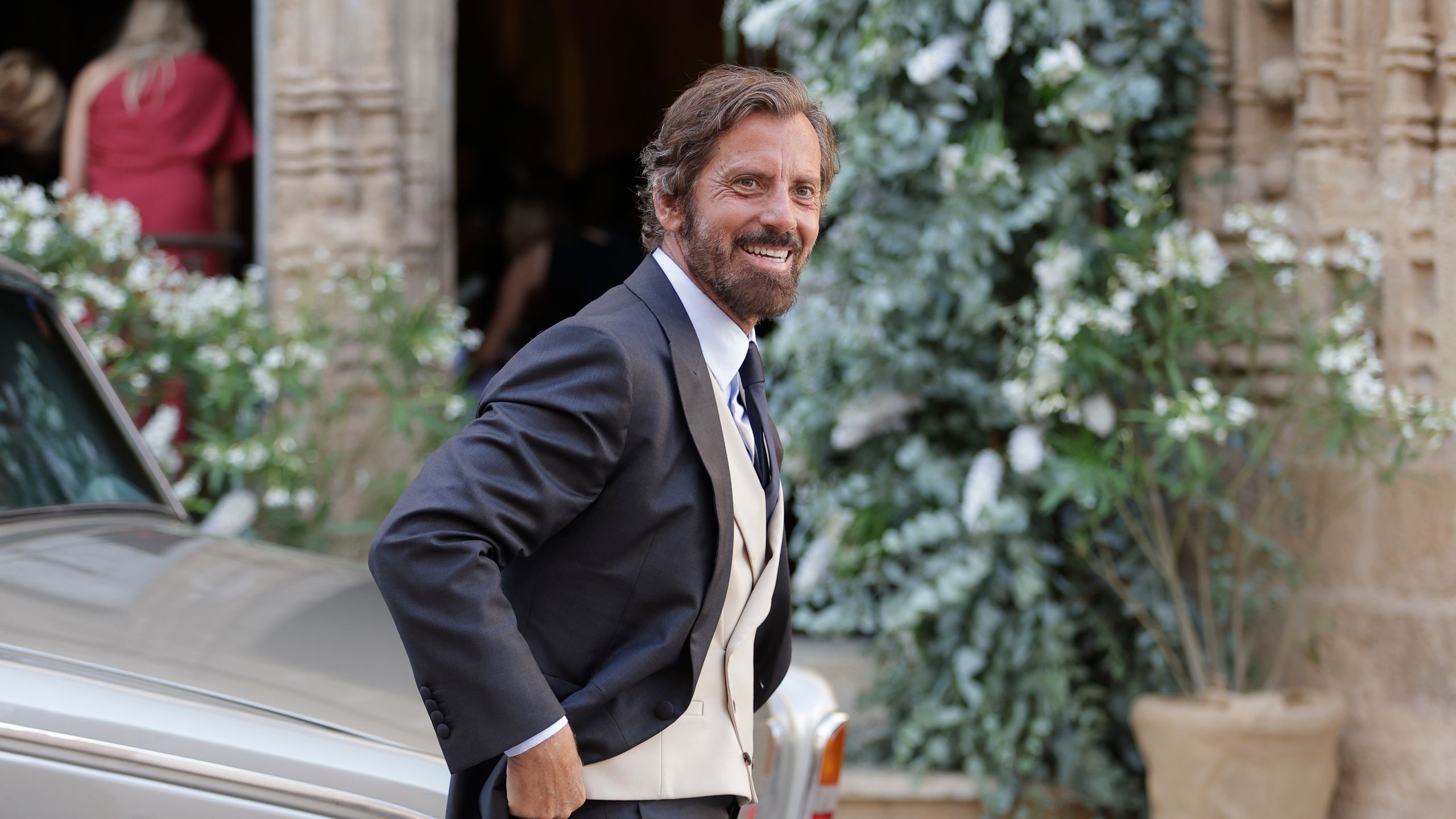
Some managers build careers on one golden era at one club. Quique Sánchez Flores built his by being the phone number chairmen dial when the season is slipping away. At 61, he has coached in Spain, Portugal, England, China and the Gulf, lifted a European trophy, and still turns up on shortlists whenever a club needs calm more than charisma. That kind of longevity is rarer than it looks, and it deserves a closer look than a list of stats.
Quick Profile
| Item | Details |
|---|---|
| Full name | Enrique Sánchez Flores |
| Known as | Quique Sánchez Flores |
| Born | 5 February 1965, Madrid, Spain |
| Age in 2026 | 61 |
| Nationality | Spanish |
| Height | About 1.76 m (roughly 5 ft 9 in) |
| Playing position | Right-back |
| Clubs as a player | Valencia, Real Madrid, Real Zaragoza |
| Signature coaching honour | UEFA Europa League, 2010, with Atlético Madrid |
| Most recent club on our records | Deportivo Alavés |
| Estimated net worth (2026) | $10 million to $15 million (Icon Polls estimate) |
Born Into Two Kinds of Fame
Quique's surname carries weight in Spain for reasons that have nothing to do with football. His father, Isidro Sánchez, was a professional footballer. His mother, Carmen Flores, is the sister of Lola Flores, the flamenco star whose family remains a fixture of Spanish popular culture. So he grew up between a dressing room and a stage, which might explain why he has always seemed comfortable in front of cameras without ever chasing them.
He chose the pitch. And he chose one of its least glamorous roles.
A Right-Back Who Read the Game
Most of his playing career was spent at Valencia, where he became a dependable presence on the right side of defence. At around 1.76 m he was never going to dominate through size, so he relied on positioning and timing instead. A move to Real Madrid followed, and he won a La Liga title there before finishing his career at Real Zaragoza, retiring in 1997. He also played for Spain at senior level, having come through the national youth sides.
Full-backs of his era often make thoughtful coaches. They spend ninety minutes watching the whole shape of a match unfold in front of them. You can see that habit in the teams Quique later built: organised first, adventurous second.
From Getafe to a European Night in Hamburg
He learned the trade in Real Madrid's youth system before stepping up to senior football with Getafe, where a strong spell earned him a return to Valencia, this time in the dugout. Benfica came next, then the job that defines his coaching CV. At Atlético Madrid he won the 2010 Europa League final against Fulham in Hamburg, and followed it by beating Inter in the UEFA Super Cup that summer.
It is fair to say that Atlético period is the high point. Nothing since has matched it for silverware. But judging him only by trophies misses what his career has actually been about.
The Fixer's Itinerary
Look at the full list and a pattern jumps out. After Atlético came Al-Ahli and Al-Ain in the United Arab Emirates, then Watford in England, where his first spell included a run to the FA Cup semi-finals. Espanyol, Shanghai Shenhua, a return to Getafe, then Sevilla and Alavés. Several of those jobs began mid-season, with the club in trouble.
That is not an accident. Quique has become a specialist in stabilisation: tighten the defence, simplify the plan, lower the temperature in the dressing room. Not every spell ended well, and some fans found his football cautious. Still, owners keep hiring him, and in management that is the most honest review there is.
- Strength: defensive structure and composure under pressure.
- Strength: adaptability across leagues, languages and club cultures.
- Criticism: his sides can look short of attacking ambition when the pressure lifts.
What the Money Probably Looks Like
No official figure exists for Quique's personal wealth, and clubs rarely publish what they pay their managers. With that caveat front and centre, Icon Polls estimates his net worth at $10 million to $15 million in 2026.
The reasoning is straightforward. He had a long top-flight playing career at major Spanish clubs, then more than two decades of coaching contracts, including spells in the Gulf and China, markets known for paying experienced European coaches well. His annual coaching income at a top-flight Spanish club is likely somewhere in the high six figures to low seven figures in euros, though bonuses, survival clauses and contract length could move that a long way in either direction. Treat all of these numbers as informed estimates, not verified accounts.
One thing he does not have is a transfer value. He stopped playing in 1997, and transfer valuations only apply to active players. For a coach, the real currency is reputation, and his still buys him interviews.
Family Life, Kept Off the Record
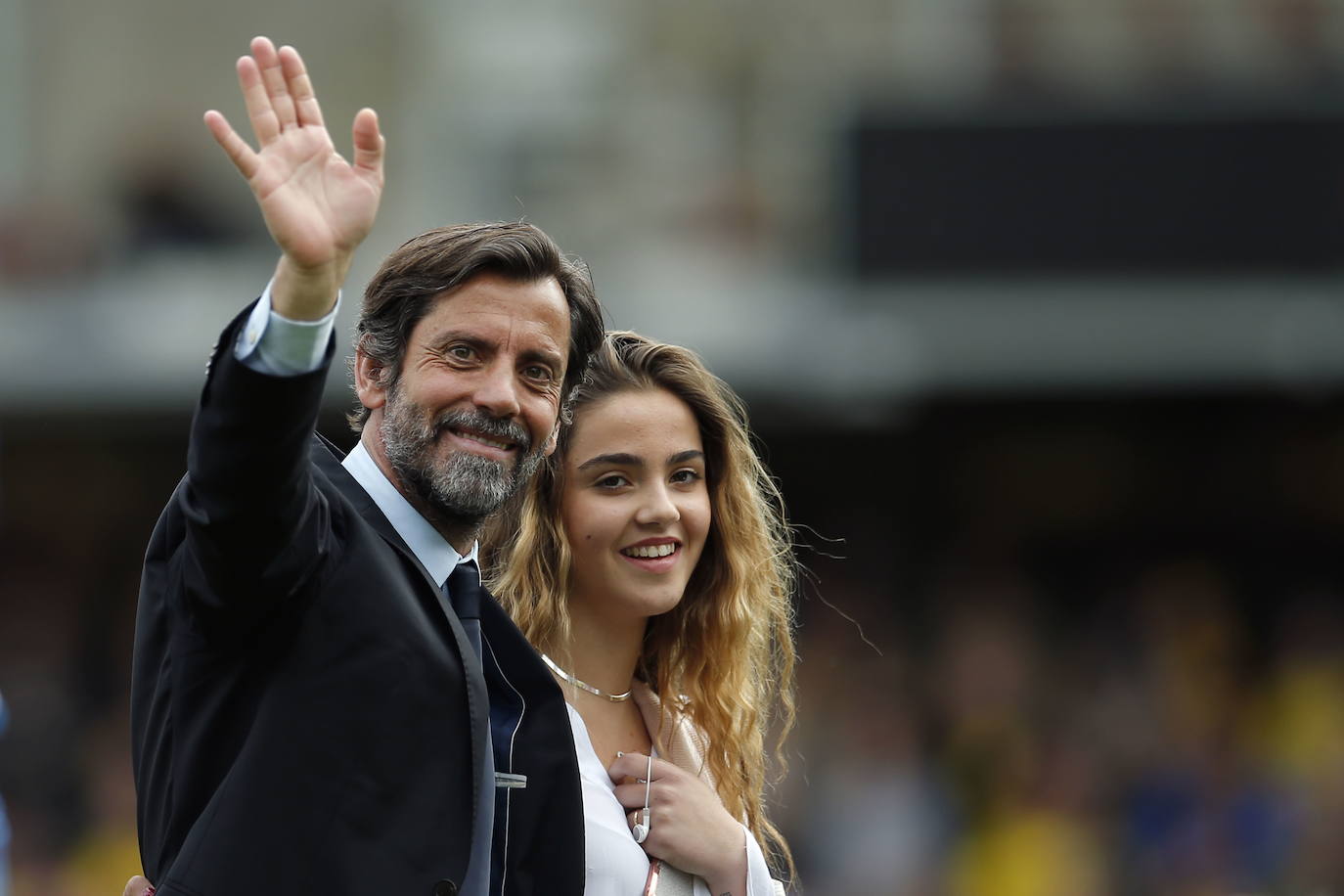
For someone raised in one of Spain's most famous families, Quique has been notably guarded about his own home life. Public profiles commonly list him as a father of four, but he has never made his relationships or his children a talking point, and he rarely discusses them in interviews. We are respecting that. Speculation about his personal life circulates in some corners of the Spanish press, but none of it is something he has chosen to share, so it has no place here.
If you want to talk football legends instead, head over and vote for the best football players of all time in our fan poll.
Why He Still Matters
Quique Sánchez Flores will probably never be remembered as a revolutionary. He will be remembered as something more useful: a coach who can walk into a crisis, stop the bleeding and hand over a functioning team. In an industry that burns through managers at alarming speed, surviving this long across this many countries is an achievement in its own right.
How old is Quique Sánchez Flores?
He was born on 5 February 1965 in Madrid, so he is 61 in 2026.
What is his biggest trophy as a coach?
The 2010 UEFA Europa League with Atlético Madrid, followed that year by the UEFA Super Cup.
Is he related to Lola Flores?
Yes. His mother, Carmen Flores, is Lola Flores's sister, which makes Quique part of one of Spain's best-known entertainment families.