|
System |
Best for |
Video |
Where footage lives |
Typical street price |
|---|---|---|---|---|
|
1. eufyCam S3 Pro (2-cam + HomeBase 3) |
Overall pick |
4K |
HomeBase 3 hub, 16GB built in, expandable to 16TB |
$385 to $550 kit |
|
2. Reolink Argus 4 Pro |
Wire-free outdoor coverage |
4K, 180 degrees |
microSD up to 128GB or Reolink Home Hub |
$190 to $260 |
|
3. Reolink PoE NVR kit (RLK series) |
Whole-home wired value |
4K to 16MP |
Bundled NVR hard drive, roughly 30 days |
From about $500 for four cameras |
|
4. UniFi Protect G6 Bullet or Turret |
Total local control |
4K, 30fps |
UniFi console or UNVR you own |
$199 per camera plus recorder |
|
5. TP-Link Tapo C660 Kit |
Budget 4K solar |
4K |
microSD up to 512GB or Tapo H500 hub |
Around $150 to $200 |
|
6. Aqara Camera Hub G5 Pro |
Apple households |
4MP (2.5K) |
On-camera storage, NAS via RTSP or SMB, HomeKit Secure Video |
$150 to $200 |
|
7. eufy SoloCam S340 |
Solar pan and tilt |
3K dual lens |
On-camera storage or HomeBase S380 |
Around $200 |
|
8. eufy Video Doorbell E340 |
Doorbell with no fees |
2K dual camera |
On-device storage or HomeBase S380 |
$150 to $180 |
|
9. Blink Outdoor 4 with Sync Module XR |
Cheapest path to free storage |
1080p |
USB drive or microSD in the Sync Module |
About $50 per camera |
|
10. Wyze Cam v4 |
Under fifty dollars |
2.5K |
microSD card in the camera |
$36 to $50 |
1. eufyCam S3 Pro: The Benchmark for Subscription-Free Security
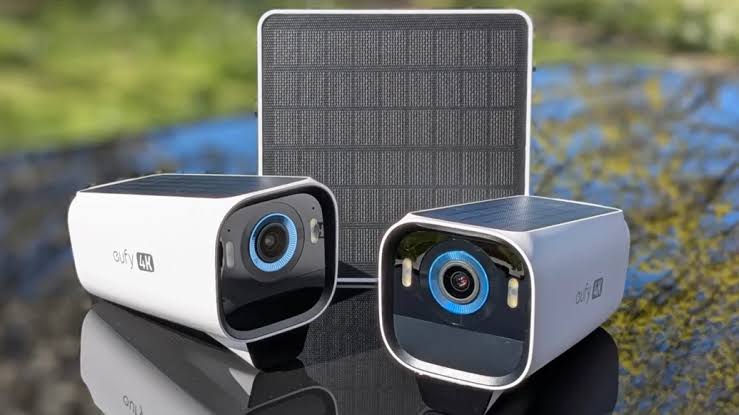
Anker's flagship outdoor camera has held the top spot for well over a year, and nothing has knocked it off. The S3 Pro pairs a 4K sensor with MaxColor night vision that produces full-colour footage in near darkness without firing a spotlight, and a dual detection system combining PIR with radar that eufy claims cuts false alerts dramatically. In practice, that is the difference between fifteen useless notifications a night and two that matter.
Everything lands on the HomeBase 3, which ships with 16GB of onboard storage and accepts a hard drive up to 16TB. The hub also runs eufy's BionicMind AI, which learns familiar faces and stitches clips together as a person moves between cameras. None of it costs anything monthly. The catch is the entry price. The two-camera kit lists at $549.99, though street pricing through 2026 has hovered between $385 and $450, and the cameras only speak to the HomeBase 3, so you are buying an ecosystem rather than a single device. The newer eufyCam S4 adds a three-lens pan-and-tilt head for anyone who wants 360-degree coverage from one mount.
2. Reolink Argus 4 Pro: The Best Wire-Free Camera Money Can Buy
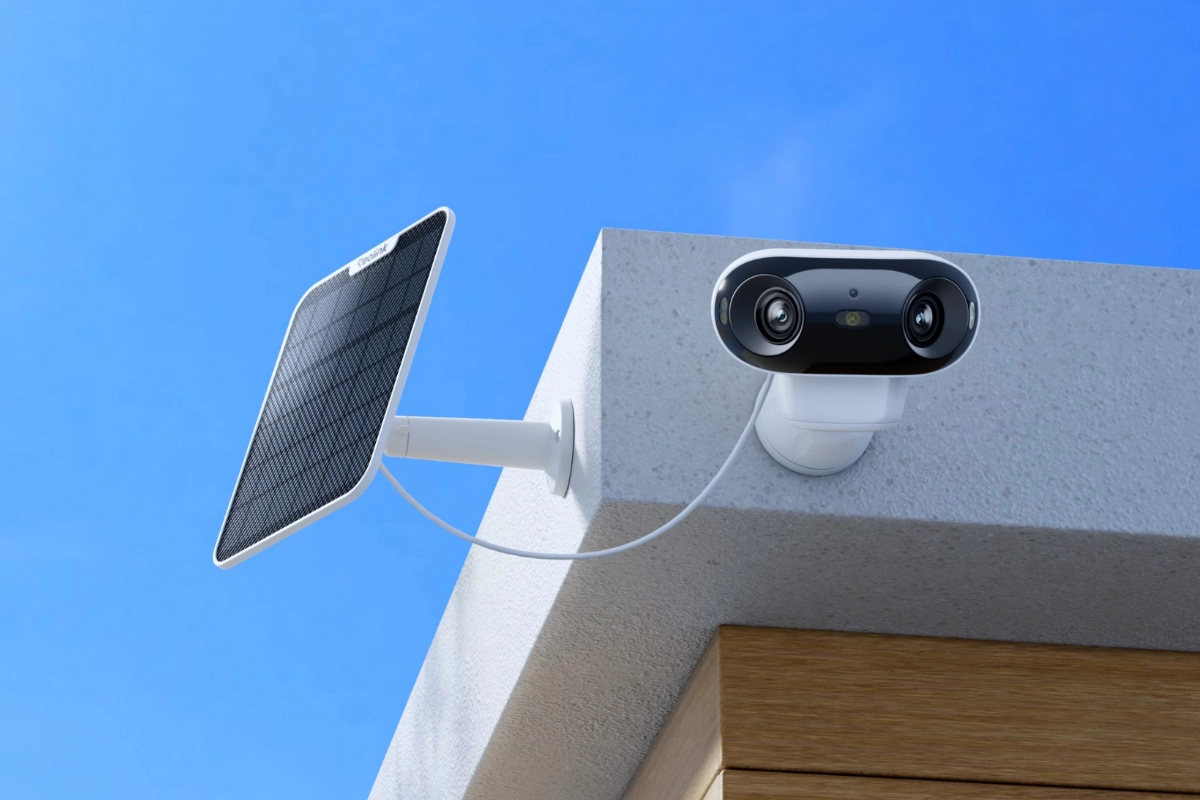
Two lenses stitched into a seamless 180-degree 4K image, which solves the problem every battery camera has: the blind spot immediately beneath and beside it. Reolink's ColorX sensor, with an f/1.0 aperture and a 1/1.8-inch sensor, delivers colour at night where rivals fall back to grey infrared. Dual-band Wi-Fi 6 keeps a 4K stream stable, and footage saves to a microSD card up to 128GB or to Reolink's Home Hub.
It has won design recognition and become one of the brand's best sellers, but the honest caveats matter. Reviewers running it through a genuine northern winter found the bundled 6W solar panel struggled through long stretches of cloud, and push alerts can lag several seconds behind the event, which is fine for general monitoring and less fine if you are hoping to catch someone lifting a parcel in real time. Pricing swings wildly depending on bundle and retailer, from around $190 for the camera and panel up to nearly $400 for premium configurations.
3. Reolink PoE NVR Kits: The Sensible Way to Wire a Whole House
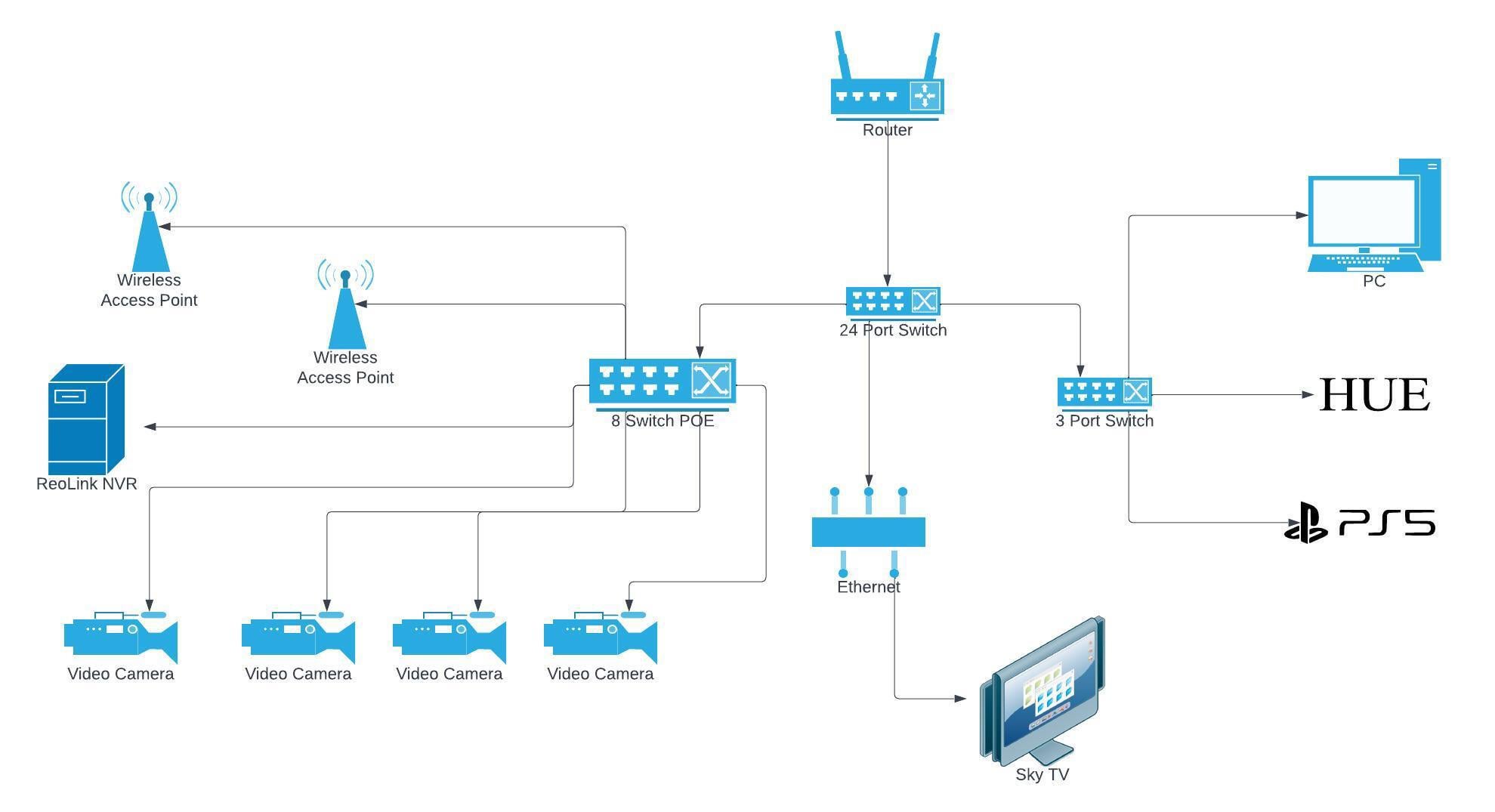
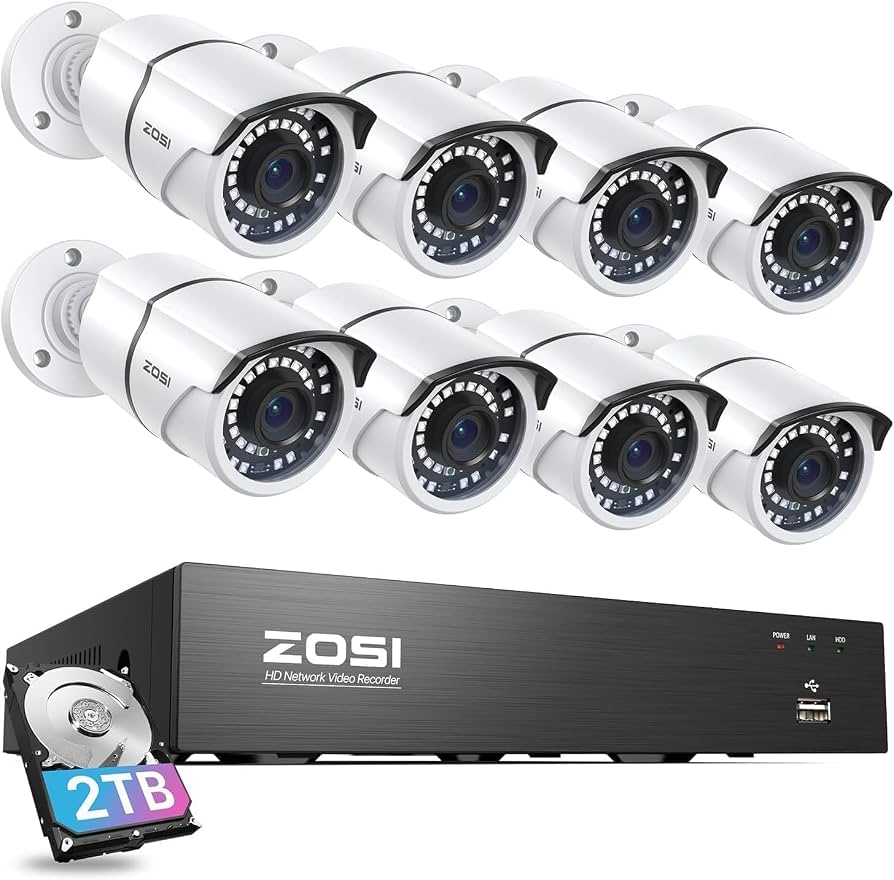
For anyone willing to run cable, this remains the best value in home surveillance. A Reolink NVR paired with four 4K PoE cameras lands at roughly $500 and delivers continuous recording with about thirty days of retention, no batteries to charge, no Wi-Fi congestion, and no fee ever. Power over Ethernet means one cable per camera carrying both data and power, which is the single biggest reliability upgrade available to a home system.
Reolink ships around 55 active camera and recorder models in 2026 and used CES 2026 to push further upmarket with the OMVI X16 PoE, a 24MP triple-lens unit, alongside a dedicated AI Box for local processing. The RLC-810A and RLC-820A remain the sensible workhorses. Continuous 4K recording consumes roughly 15 to 20GB per camera per day, so size the drive accordingly or switch to event-triggered recording, which cuts that to around 3 to 5GB.
4. UniFi Protect G6: For People Who Want Nothing in the Cloud at All

Ubiquiti sits at the serious end of the market, and its appeal is architectural rather than featural. Footage never touches a company server because there is no company server in the path. The recorder, the network and the storage are yours, and the AI runs locally. The G6 Bullet and G6 Turret both sell for $199 and deliver 4K at 30fps, 30 metres of infrared, IP66 weatherproofing, and on-device face and licence plate recognition handled by a dedicated AI engine at the camera rather than the recorder, which keeps alert latency low.
The cost is complexity. You need a UniFi console or NVR, the cameras have no microSD slot so they stop recording if the recorder drops off the network, and PoE cabling has to be specified properly, since undersized cable causes voltage drop that shows up months later as random reboots. For technically confident households, or anyone already running UniFi networking gear, the payoff is a system with genuinely no recurring cost and no third party holding the video.
5. TP-Link Tapo C660 Kit: Budget Hardware That Stopped Feeling Budget
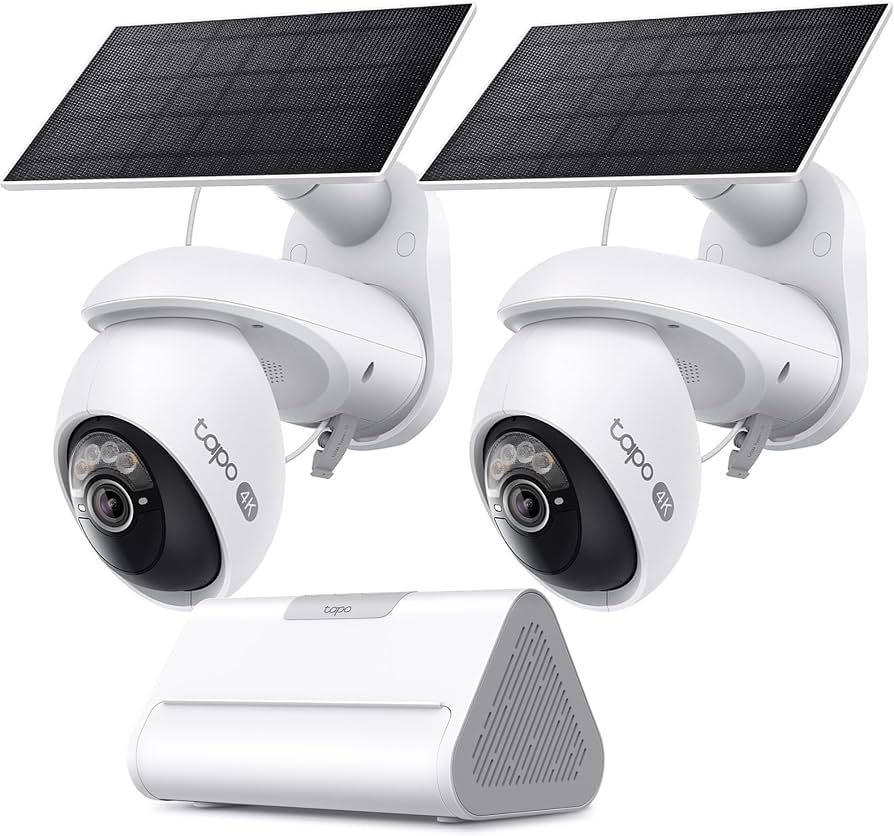
Tapo has quietly become the most compelling brand at every price point between $25 and $200, and the C660 kit is the top of that ladder: 4K, solar powered, wire-free, and reviewed favourably as a genuine bang-for-money 4K camera with local storage. Recording goes to a microSD card of up to 512GB, which TP-Link rates at roughly 388 hours of 4K video, or to the Tapo H500 hub for up to 16TB across multiple cameras.
What makes Tapo interesting is the breadth beneath the flagship. The C560WS covers outdoor pan and tilt with auto-tracking, the C615F adds an 800-lumen floodlight without a junction box, and the C120 at around $30 supports 24/7 microSD recording plus RTSP and ONVIF, which means it drops straight into Home Assistant or Frigate. Cloud features exist through Tapo Care but are genuinely optional rather than a hidden requirement.
6. Aqara Camera Hub G5 Pro: The Apple Household Answer
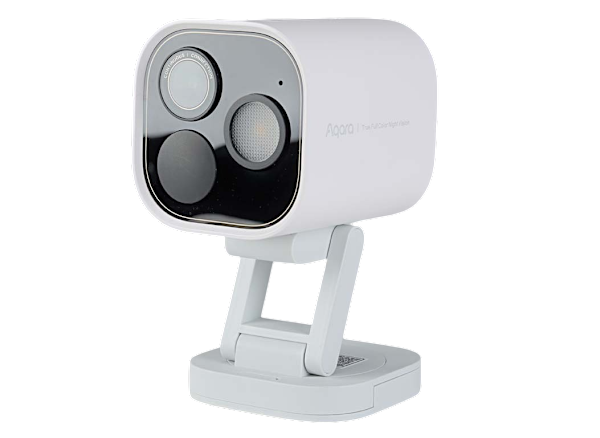
If your home runs on Apple devices, this is the outdoor camera to buy. The G5 Pro supports HomeKit Secure Video natively, so recordings land in iCloud without counting against your storage allowance, and it doubles as a Matter controller, a Thread border router and a Zigbee hub for Aqara accessories. That is a lot of smart home infrastructure inside a weatherproof camera body.
Resolution is 4MP rather than 4K, which is a step down from the leaders here, but the true-colour low-light performance is strong for the money. Storage is flexible in a way few rivals match: onboard memory, a NAS drive over RTSP or SMB, HomeKit Secure Video, or Aqara's own optional HomeGuardian plan. The Wi-Fi model lists at $179.99 and the PoE version at $199.99, with street prices often closer to $150. Outside an Apple household much of its value evaporates, and there is no battery option, so a power run is mandatory.
7. eufy SoloCam S340: The Best Single-Camera Solar Install
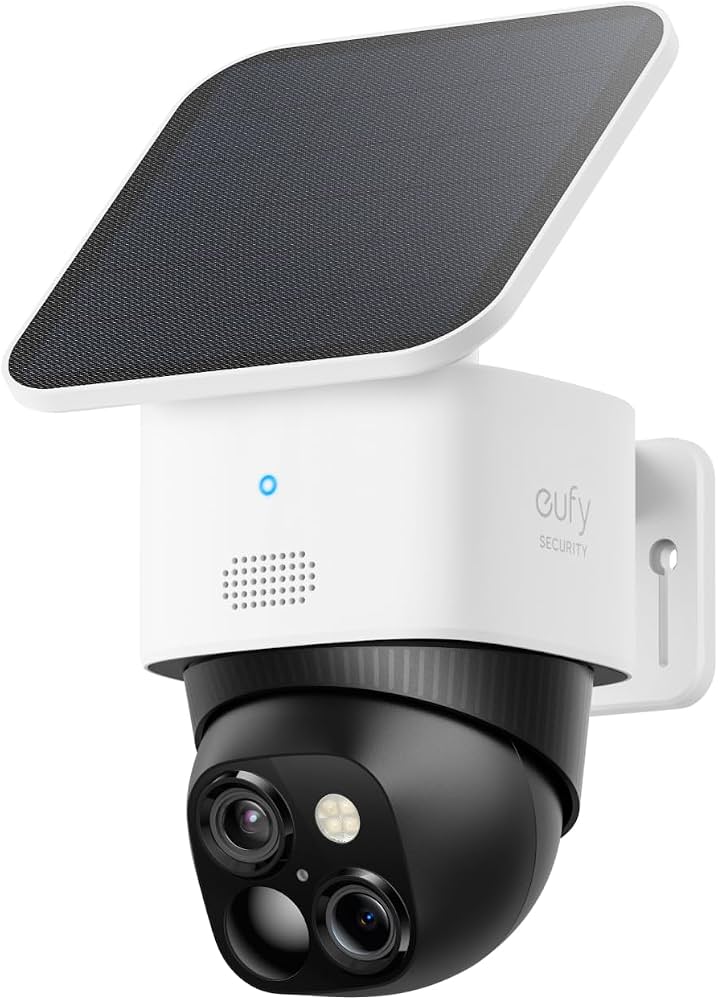
Where the S3 Pro demands a hub and a budget, the SoloCam S340 works as a standalone unit for around $200. Two lenses, one wide and one telephoto, sit on a head that pans a full 360 degrees and tilts, with AI tracking that follows a subject across the frame instead of losing them at the edge. The integrated solar panel keeps it running with a couple of hours of daily sun, and testers have noted it holds up better in cold weather than several competitors.
Storage is onboard, with the option to fold it into a HomeBase S380 later if the system grows, which is a sensible upgrade path for anyone starting with one camera and suspecting they will end up with four. The trade-off against Reolink is capacity: eufy's onboard allowance is modest next to a 128GB microSD card, so heavy-traffic locations will cycle through footage faster.
8. eufy Video Doorbell E340: The Doorbell That Does Not Bill You
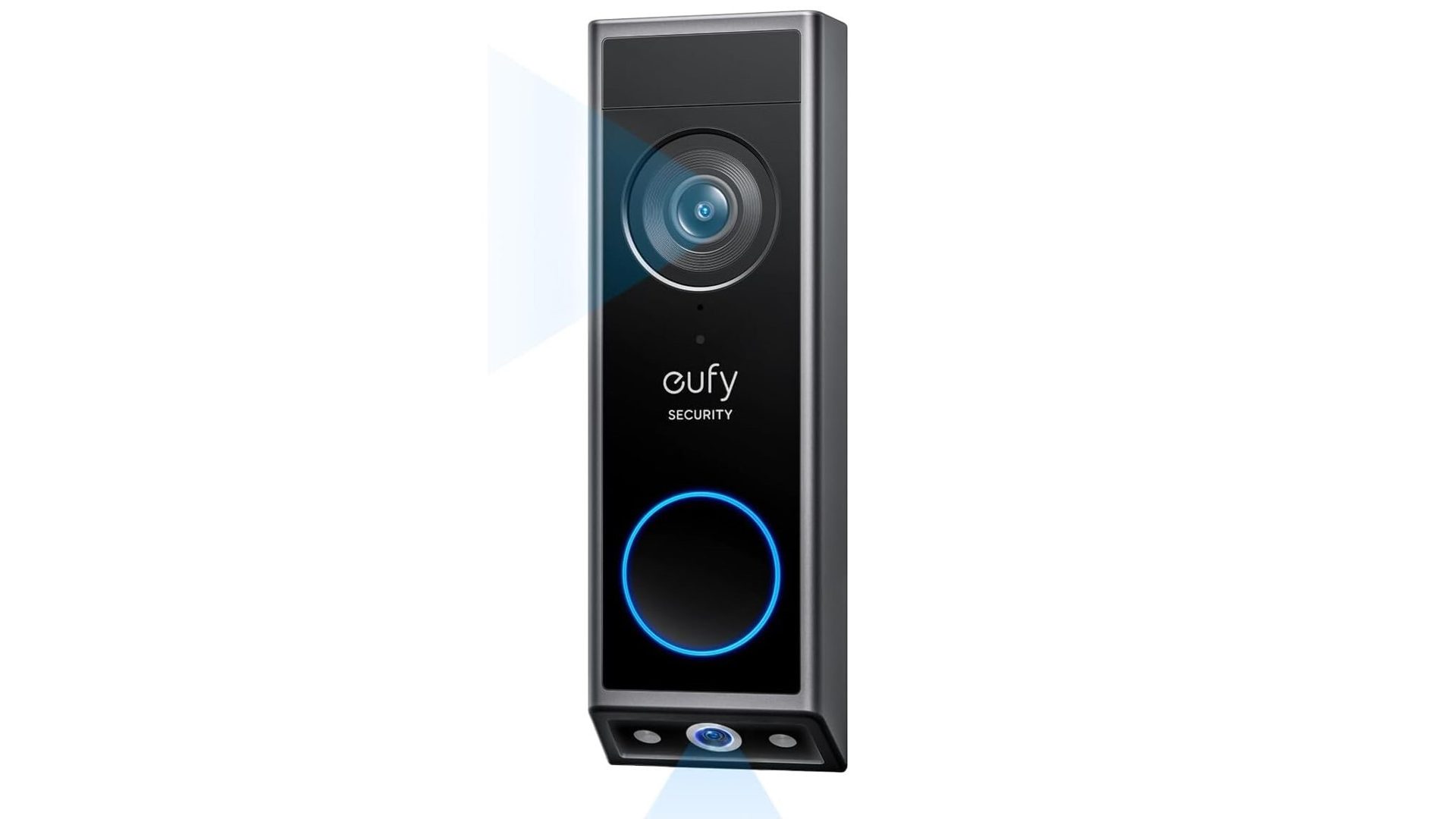
Doorbells are where subscription pressure bites hardest, because a Ring doorbell without a plan is close to a live-view novelty. The E340 takes the opposite approach. Two cameras, one at face height and one angled down at the doormat for parcels, 2K resolution, colour night vision, and every useful feature available for the purchase price. It works standalone or alongside a HomeBase S380 for pooled storage.
TP-Link's Tapo D225 deserves a mention in the same breath. It offers 2K video, a 180-degree head-to-toe field of view, a 10,000mAh battery or hardwired power, free AI detection and an included chime, usually for less. Between the two, the deciding factor is usually which ecosystem the rest of your cameras already belong to.
9. Blink Outdoor 4 with Sync Module XR: The Cheapest Route to Free Storage
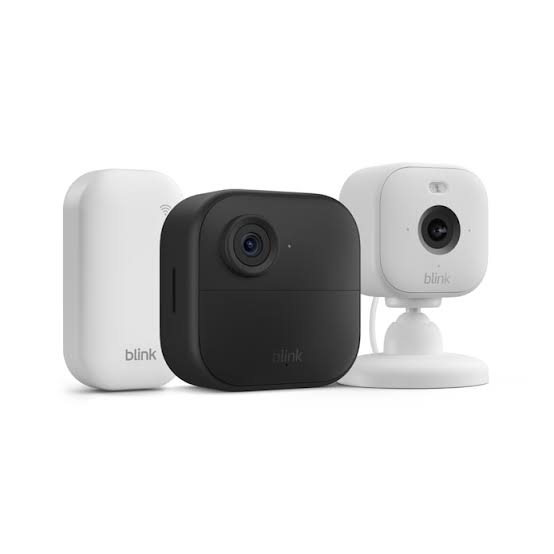
Blink earns its place on economics rather than excellence. At roughly $50 per camera with two years of battery life from a pair of AA lithium cells, nothing else gets cameras on four walls for less. The critical detail, and the one that trips up most buyers, is the hub. The Sync Module Core that ships in many bundles has no local storage at all, which means no subscription equals no saved footage. The Sync Module 2 with a USB drive, or the newer Sync Module XR with a microSD card, unlocks free local recording that remains viewable from the app.
Be clear-eyed about the ceiling. Video is 1080p, night vision is infrared rather than colour, and Blink reserves person detection for its paid tier, so what you get free is motion-triggered recording rather than intelligent filtering. For a garage, a side gate, or a rental where the cameras may not stay, that is often enough.
10. Wyze Cam v4: Maximum Camera for Minimum Money
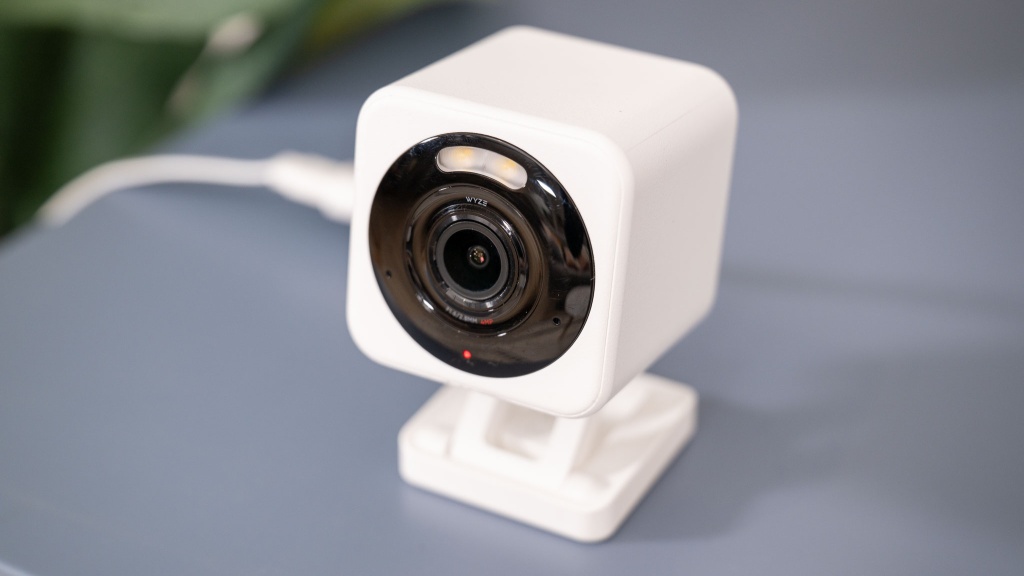
At somewhere between $36 and $50, the Wyze Cam v4 has no business performing as well as it does. The 2.5K sensor sits in a useful middle ground between 1080p and 4K, colour night vision is strong for the category, IP65 weather resistance makes it viable outdoors with the optional adapter, and the app is among the smoothest here. Drop in a microSD card and it records continuously with no fee attached.
Two things to weigh. Wyze's free tier has always been narrower than the marketing implies, with clip length limits and cooldown periods on cloud recording that push serious users toward Cam Plus, and the company's history of privacy and security incidents is worth reading up on before buying. Local recording sidesteps much of that concern, but it is a factor. Lorex is the alternative worth considering at retail, particularly for anyone upgrading an existing wired system, with strong 4K NVR kits sold through mainstream stores.