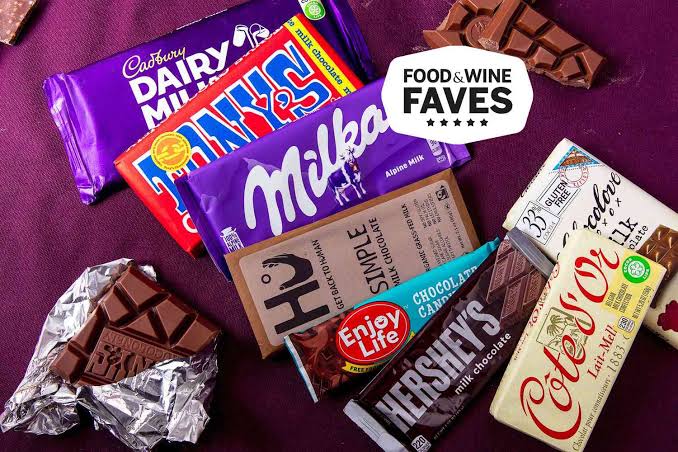
British chocolate has spent the last few years being squeezed. Cocoa prices surged from 2024 into 2026, a historic London chocolatier went through a pre-pack administration sale, and a beloved high street name now exists only online and in supermarkets. Yet the shelves are still full of brands with real stories behind them. Some are giants, some are small, and a couple are figuring out who they are after a change of owner.
One honest caveat first. "British" is a looser label than it sounds. Several of these brands were founded here but now belong to multinationals, and ownership tells you a lot about where a brand is heading. So we've put it in the table, not buried it.
| Rank | Brand | Founded | Best known for | Owned by |
|---|---|---|---|---|
| 1 | Cadbury | 1824, Birmingham | Dairy Milk and countlines | Mondelēz International |
| 2 | Hotel Chocolat | 1993, Royston | Premium boxes, the Velvetiser | Mars (since 2024) |
| 3 | Green & Black's | 1991, London | Organic dark chocolate | Mondelēz International |
| 4 | Montezuma's | 2000, Brighton | Bold flavoured bars | Independent |
| 5 | Charbonnel et Walker | 1875, London | Luxury truffles | Independent |
| 6 | Whitakers | 1889, Skipton | Chocolate creams, Neapolitans | Family owned |
| 7 | Divine | 1998, London | Fairtrade bars | Co-owned by Kuapa Kokoo farmers |
| 8 | Thorntons | 1911, Sheffield | Continental box, Special Toffee | Ferrero |
| 9 | Prestat | 1902, London | Truffles, jewel-toned packaging | Artisan du Chocolat (since 2026) |
| 10 | Artisan du Chocolat | 1999, London | Ganaches, salted caramels | Independent |
1. Cadbury Is the Baseline Everyone Gets Measured Against
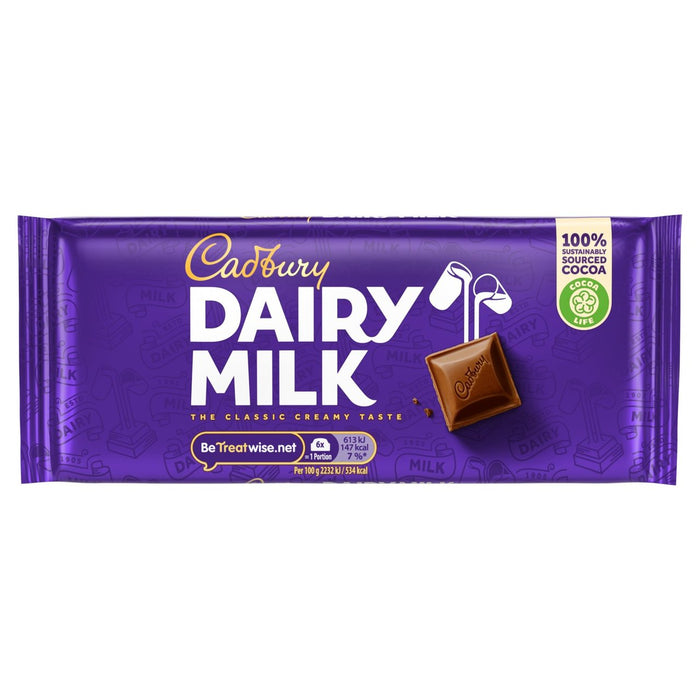
You can argue about Cadbury. You can't ignore it. Brand surveys have long put its recognition at around 95 per cent of the UK, and Dairy Milk, first made in 1905, is still the bar most people mean when they say "chocolate". Wispa, Twirl, Roses and the Creme Egg fill out a range nobody else comes close to.
The tension is ownership. Since the Kraft takeover in 2010, Cadbury has sat inside Mondelēz, and fans still grumble about recipes and shrinking bars. Bournville in Birmingham keeps the heritage alive, and the Cocoa Life programme gives the sourcing story some structure. It's top of the list because it's the reference point, not because it's flawless.
2. Hotel Chocolat, Now With Mars Money
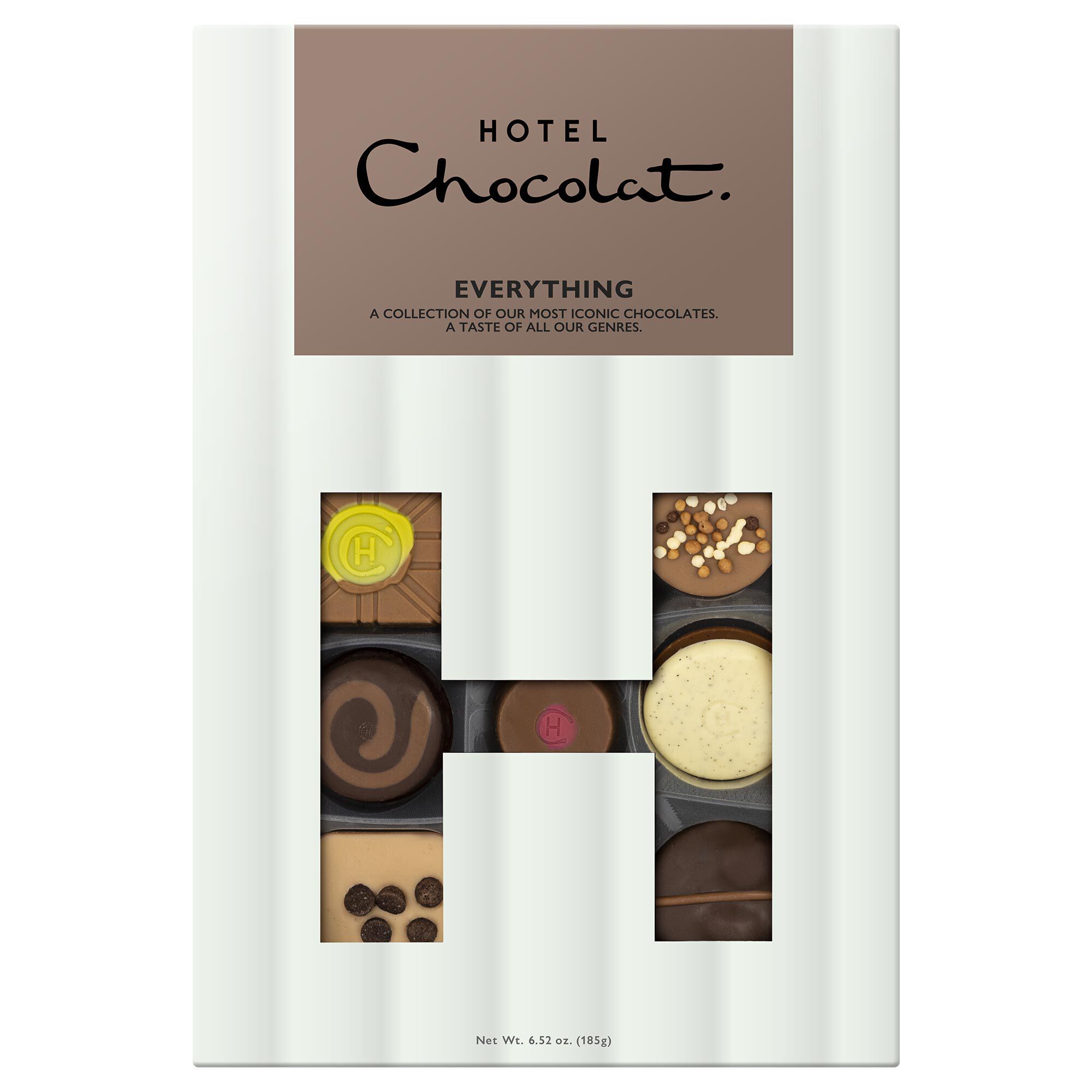
Angus Thirlwell and Peter Harris started out selling mints, switched to chocolate and built one of the sharpest British retail stories of the century. Owning the Rabot Estate in Saint Lucia gave the brand something rivals simply couldn't copy.
Mars completed its £534 million acquisition in January 2024, and the obvious worry was dilution. So far the signs point the other way, with investment in the Royston site and plans for more UK stores. The Velvetiser still has the kind of loyal following most appliance makers would envy. We'll keep watching, but the identity looks intact.
3. Green & Black's Built a Category
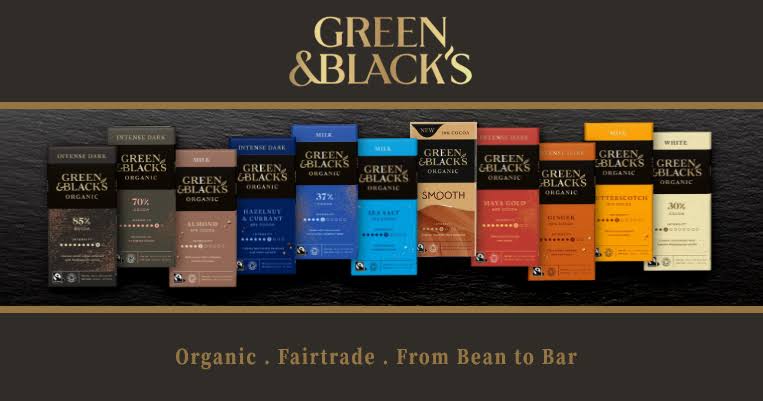
When Craig Sams and Josephine Fairley launched a 70 per cent organic dark bar in 1991, Britain had no real premium organic chocolate market. They made one. Maya Gold took the Fairtrade mark in 1994, one of the first products in the country to carry it.
Cadbury bought the brand in 2005, so it now lives under Mondelēz too. Purists sigh. Still, it remains the dependable supermarket step up: better than everyday milk chocolate, cheaper than a boutique box.
4. Montezuma's Bets on Flavour
Helen and Simon Pattinson came back from South America obsessed with chocolate and opened a single Brighton shop in 2000. Today the bars are in major supermarkets, sold on boldness: sea salt and lime, chilli, peanut butter, plus a steady rotation of limited editions.
Production in West Sussex keeps the founders close to the ingredients, and organic cocoa is central to the pitch. In a period that has punished small producers, staying independent and distinctive is an achievement in itself.
5. Charbonnel et Walker, the Bond Street Original
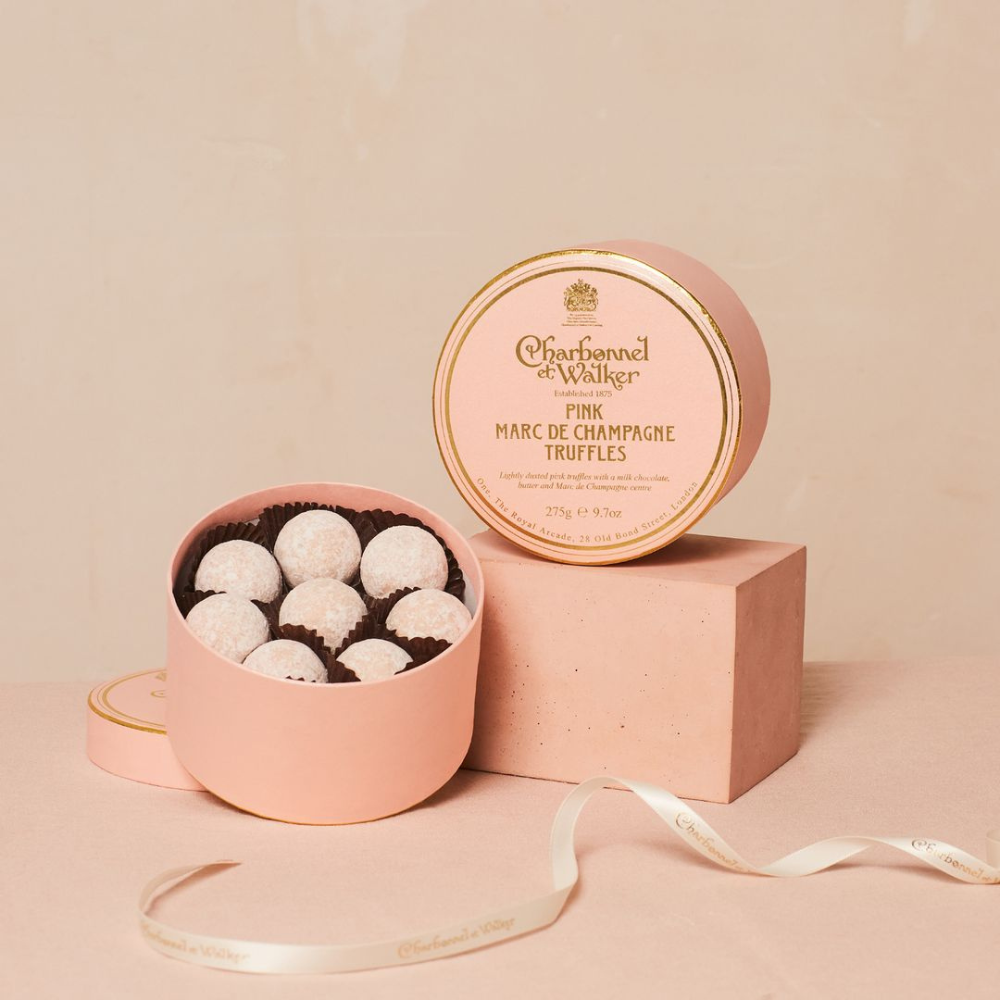
The founding story is pure Victorian London: the future Edward VII is said to have encouraged Madame Charbonnel to leave Paris and set up shop on Bond Street in 1875. The house holds a Royal Warrant and is still independent.
The Pink Marc de Champagne truffles are the signature, and the packaging is about as recognisable as British gifting gets. This is the box you buy when the occasion matters.
6. Whitakers, the Name You've Eaten Without Knowing
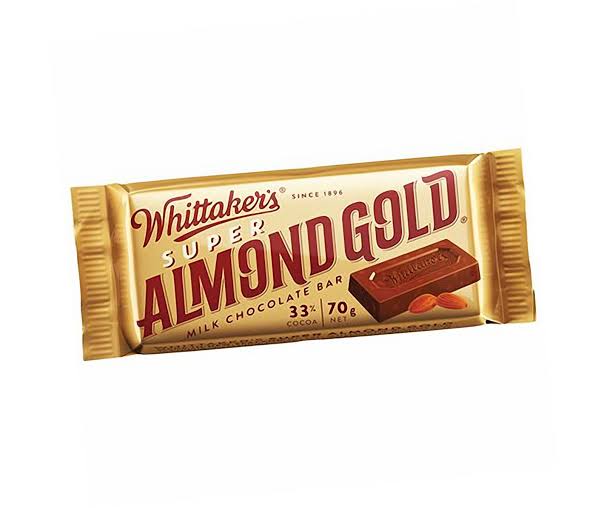
Founded in 1889 and still family owned, Whitakers turns out roughly ten million chocolates a week in Skipton. A lot of that goes into own-label lines and the little Neapolitans you find in hotels and restaurants.
The company has been investing in its own branded range and in packaging capability. It's the quiet workhorse of this list, and arguably underrated because so much of its work carries someone else's name.
7. Divine Has an Ownership Model Nobody Else Matches
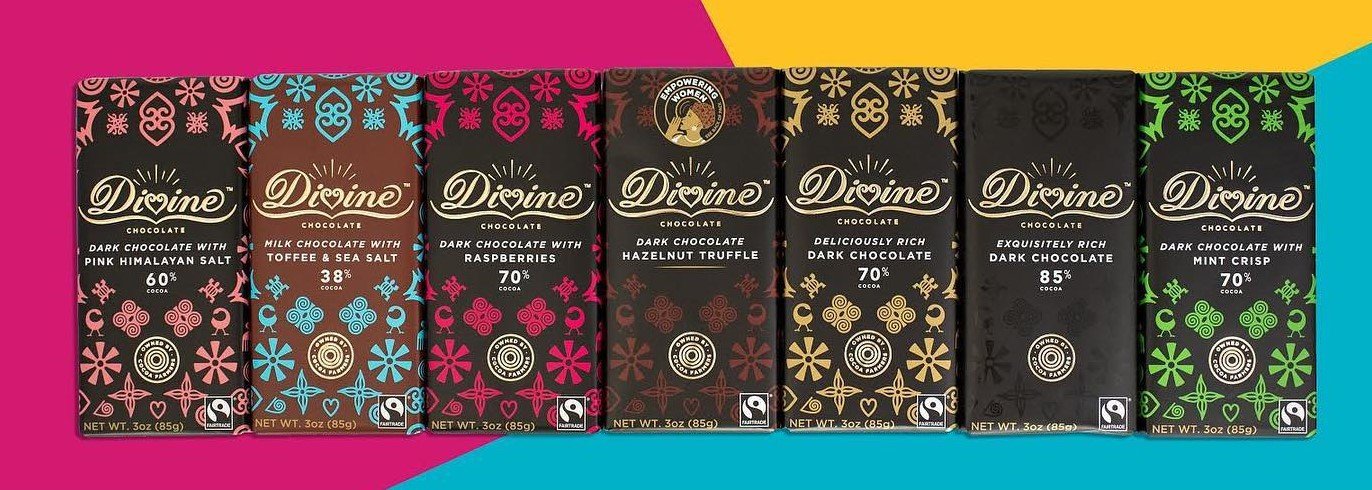
Divine is co-owned by Kuapa Kokoo, a Ghanaian cooperative of more than 100,000 cocoa farmers. That isn't a marketing line. Farmers share in profits and have a say in how the business runs.
The bars, made with Fairtrade Ghanaian cocoa, are clean and well balanced. If you want your chocolate to carry ethical weight beyond a vague pledge, this is the clearest option on the shelf.
8. Thorntons Lost Its Shops, Not Its Box
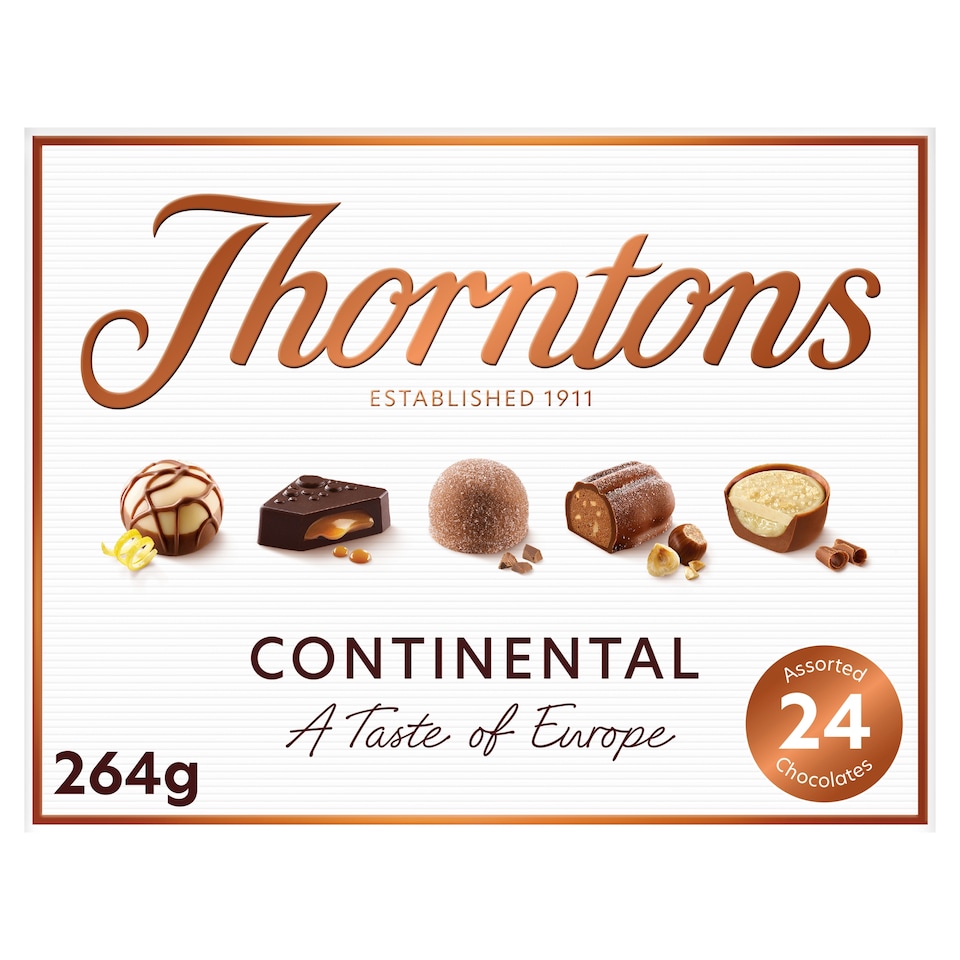
Joseph Thornton founded the business in Sheffield in 1911, and at its height Thorntons had more than 200 shops. Then, in 2022, owner Ferrero closed every one of them. It now sells online and through supermarkets.
That hurt. Picking chocolates at the counter was half the appeal. But the Continental box and Special Toffee still have devoted fans, and whether that loyalty survives without a high street presence is the open question.
9. Prestat's Uneasy Rescue
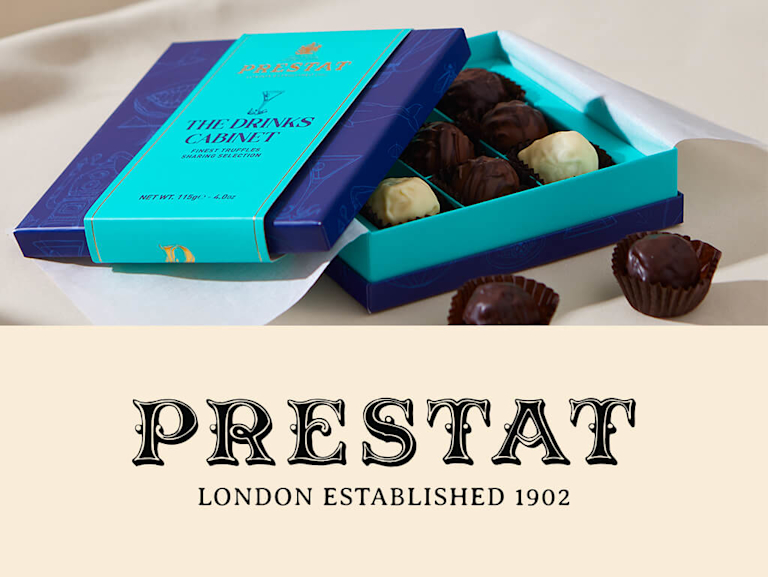
London's oldest chocolatier, founded in 1902, has a Royal Warrant and a striking shop in Princes Arcade, Piccadilly. Its jewel-toned packaging is unmistakable.
The cocoa squeeze hit hard. In February 2026 Prestat was bought by Artisan du Chocolat in a pre-pack administration sale, with around £4.8 million owed to creditors, and sister brand Rococo was caught up in the same deal. The heritage and recipes survive. Whether this proves a rescue or a reinvention, we don't know yet.
10. Artisan du Chocolat Is Suddenly a Consolidator
Gerard Coleman founded Artisan du Chocolat in London in 1999 to bring French-style couture chocolate to Britain. Its ganaches and liquid salted caramels earned places in Selfridges and Fortnum and Mason.
Absorbing Prestat and Rococo makes it a much bigger player overnight. It's a bold move during a brutal cost cycle. If the integration works, Britain could finally have a homegrown luxury group to rival the big European houses.
Think British chocolate earns the country more credit than it usually gets? Make the case and vote for the countries with the best food.
Is Cadbury still made in Britain?
Cadbury is owned by Mondelēz International, but its historic Bournville site in Birmingham is still in production.
Can you still buy Thorntons?
Yes. The shops closed in 2022, but Thorntons is sold online and through supermarkets and other retailers.