A single dress in three colourways and five sizes is fifteen SKUs. Add a wholesale price next to the retail one, list it on Shopify and Instagram, hang a few on the rail in store, and that one dress has become a small accounting problem. Multiply by a season of fast drops and it's easy to see why boutique owners stop trusting spreadsheets.
The cost of a mistake is concrete. Sell the last medium online while a customer is trying it on in the fitting room, and you lose the sale and some of her goodwill. Good inventory software prevents that, and hands back hours owners would rather spend buying, merchandising and building the brand.
This is our editorial shortlist, weighted toward the particular mess of fashion retail rather than generic stock control. Prices are the starting figures listed when this guide first ran. Vendors change them often, so confirm before you sign.
| Rank | Software | Best fit | Starting price (as listed) | Standout feature |
|---|---|---|---|---|
| 1 | Lightspeed Retail | Boutiques with several locations | $89/mo | Detailed variant tracking |
| 2 | Shopify POS | Online-first boutiques | $29/mo | Omnichannel stock sync |
| 3 | ApparelMagic | Growing fashion brands | $145/mo | Fashion ERP with AI tools |
| 4 | Cin7 | High-volume sellers | $349/mo | 700+ integrations |
| 5 | Zoho Inventory | Budget-conscious startups | Free, or $39/mo | Multichannel order sync |
| 6 | inFlow Inventory | Small single-store shops | $110/mo | Unlimited variants |
| 7 | Uphance | Wholesale-focused brands | $299/mo | B2B portal plus POS |
| 8 | AIMS 360 | Production-heavy labels | Custom quote | End-to-end PLM |
| 9 | Prediko | Shopify DTC brands | Custom quote | AI demand forecasting |
| 10 | Oracle NetSuite | Enterprise operations | Custom quote | Full cloud ERP |
Lightspeed Retail: the sensible default once you open a second door
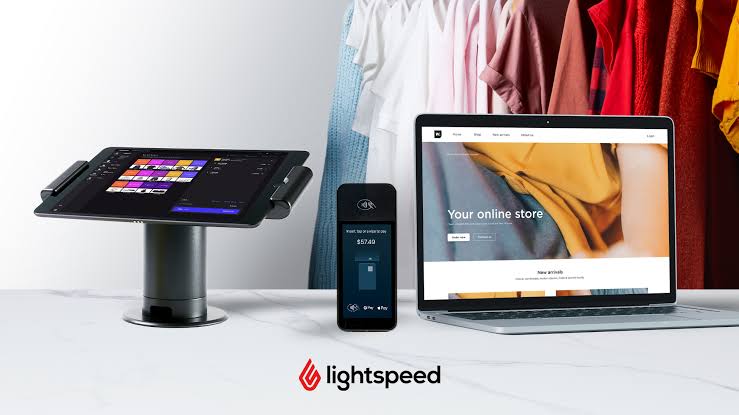
Lightspeed is the name boutique consultants tend to reach for first, and its variant system explains why. Size, colour, material and fit live in a proper matrix rather than custom-field workarounds. Purchase orders are built in, low-stock alerts can be set per location, and sell-through reports split by category, vendor or period.
Its real strength is multiple sites. Moving stock from the main shop to a pop-up takes a few clicks, and staff can see another store's stock without phoning. From around $89 a month it isn't cheap, but for a retailer with more than one location the depth earns the fee.
Shopify POS: obvious if your website already runs on Shopify
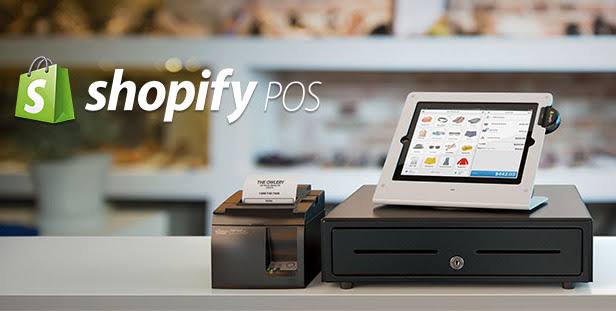
For Shopify sellers, this is the path of least resistance. Stock and customer data sync between the online store and the shop floor in real time, so a web sale updates the count on the rail and the reverse.
The app ecosystem is the draw, and nothing ties together Instagram shopping, TikTok commerce and email more neatly. Basic Shopify starts at $29 a month. The catch is depth: several warehouses or a serious wholesale arm will expose how lean the native inventory tools are, and you'll be paying for apps to fill the gaps.
ApparelMagic: for boutiques that also make their own label
Built for fashion, and it reads that way. ApparelMagic is a full ERP covering product lifecycle management, inventory, multichannel sales, purchasing and accounting, with tech packs and raw material sourcing handled in the same system.
Recent additions include an AI product designer, a voice assistant called Copilot for batch jobs like invoicing, and machine-learning forecasting that suggests reorder quantities from past sales and seasonality. That last one targets end-of-season dead stock directly. Plans run from $145 to $595 a month: steep for a pure retailer, good value if it replaces three or four tools.
Cin7: when order volume gets serious

Cin7 is the heavy machinery here: more than 700 native integrations, real-time multichannel sync, AI forecasting and an unlimited product matrix. Its B2B portal suits boutiques that supply other retailers or run trunk shows.
At $349 a month, it only makes sense if you use the automation. Purchase orders fire at reorder points, warehouse transfers run themselves, and EDI opens the door to department store accounts. A shop doing over a thousand orders a month across three or more channels should earn the fee back in time saved. A single-store boutique won't.
Zoho Inventory: where a tight budget should start
The free tier covers up to fifty orders a month, enough for a new shop. Paid plans from $39 a month add multichannel selling, warehouse management and serial number tracking. It connects with Shopify, Amazon, eBay and Etsy, and batch tracking suits seasonal collections. Reporting is plainer than Lightspeed's but perfectly usable, and if you already run Zoho for CRM or accounting, the shared data is a real bonus.
inFlow Inventory: uncomplicated, for one shop
inFlow suits the single-location boutique that wants clean tracking and nothing more. The mobile app handles barcode scanning and stock counts, and size, colour and pattern variants are unlimited at no extra charge. A B2B showroom lets small retail partners order from your catalogue, and it integrates with Shopify and QuickBooks. Our hesitation is price: from $110 a month, it costs more than Zoho's entry plan.
Uphance: wholesale and retail on one subscription
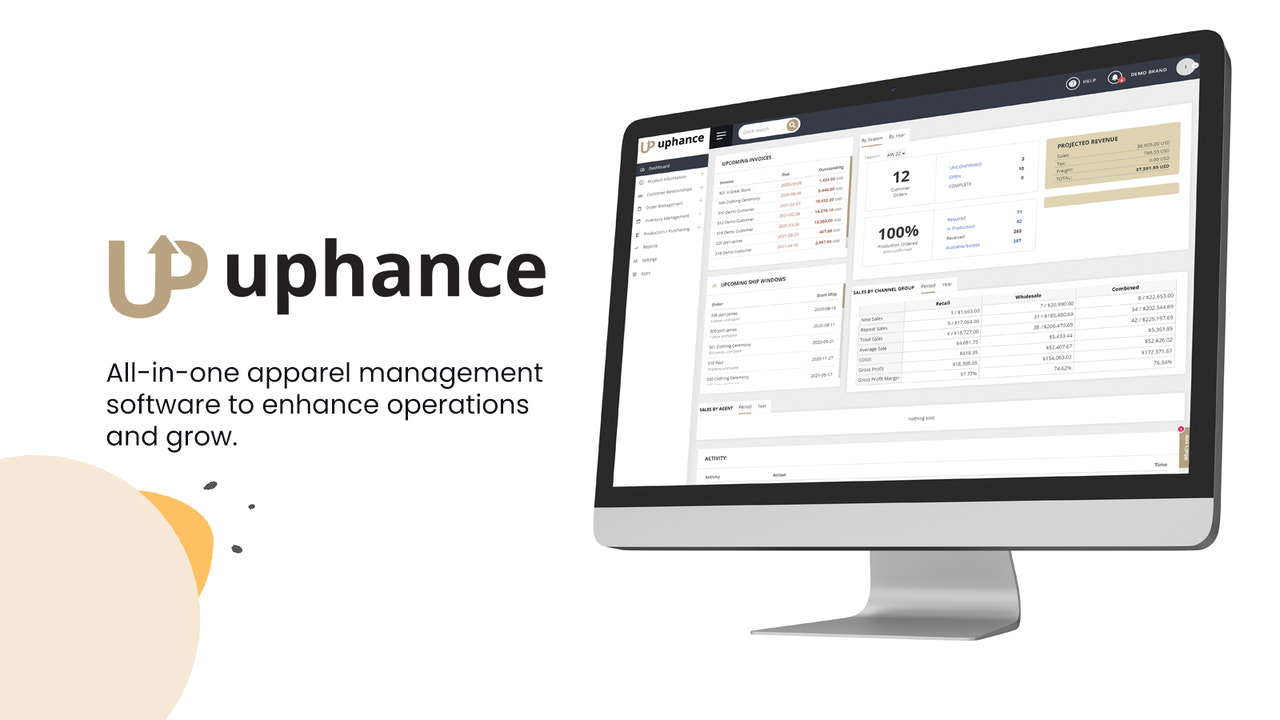
Uphance is for brands with a foot in both camps, combining inventory, order tracking, a POS and a B2B portal with Shopify and Xero integrations. Line sheets, lookbooks, buyer-specific pricing and automated invoicing are built in. The interface isn't the prettiest, but at $299 a month the value is strong if the alternative is running two systems.
AIMS 360: for cut-and-sew operations
A cloud ERP for labels that handle their own production: PLM, material requirements planning, costing down to the raw material, work orders through each stage and invoicing on shipment. It has a following among small manufacturing labels in Los Angeles and New York. Pricing is quoted, which usually signals a bigger outlay. If you buy finished stock, skip it.
Prediko: a forecasting brain for Shopify brands

Prediko reads sales velocity, seasonality and lead times and turns them into purchase order recommendations meant to prevent both stockouts and overstock. It adds raw material tracking and more than a hundred customisable reports, and brands including We Are Jolies and Cloudsharks have publicly credited it with cutting excess stock. It isn't a POS or an ERP, though. Treat it as a planning layer on top of Shopify. Pricing is custom.
Oracle NetSuite: the ceiling, not the starting point

NetSuite sits last because it's far more than most boutiques need. It is a full cloud ERP spanning inventory, CRM, financial planning, warehousing and global commerce, with variant management and omnichannel allocation. Implementation is a project and pricing is quoted. If your five-year plan involves several countries and department store partners, this is probably where you land. Until then, it's overkill.
Matching the tool to the shop
- One shop, small budget: Zoho Inventory, or inFlow for a simpler app.
- Website first: Shopify POS, with Prediko once forecasting starts to hurt.
- Two or more stores: Lightspeed Retail.
- You make what you sell: ApparelMagic or AIMS 360.
- Wholesale matters: Uphance, or Cin7 at higher volumes.
Once the stockroom behaves, the fun part is deciding what fills the rails. Tell us which labels you rate in our vote for the best clothing brands.
Do I need fashion-specific software?
Not always. A small shop can run well on Zoho or Shopify. Fashion-built systems pay off once you design, produce or wholesale your own lines.
Are the prices above current?
They are the starting prices listed when this guide was first published. Check each vendor's site, as plans and tiers change.