London streetwear doesn't need a billboard any more. The most important label in the city grew out of private Instagram pages and pop-ups announced at the last minute, and the most interesting newcomer runs on organic cotton and TikTok. The scene has split in two. On one side are hype machines where drops vanish in minutes. On the other are quiet labels that win on fabric and fit. The best of them sit somewhere in between.
Here's our ranked ten for 2026, with a quick reference table first. Prices are approximate retail ranges, not fixed figures.
The ten at a glance
| Rank | Brand | Founded | Founder(s) | Known for | Typical price |
|---|---|---|---|---|---|
| 1 | Corteiz (CRTZ) | 2017 | Clint | Alcatraz logo, cargos | £50 to £250 |
| 2 | Trapstar London | 2005 | Mikey, Lee and Will | Gothic type, Hyperdrive jacket | £40 to £350 |
| 3 | Palace Skateboards | 2009 | Lev Tanju | Tri-Ferg logo, GORE-TEX outerwear | £40 to £500 |
| 4 | A-Cold-Wall* | 2015 | Samuel Ross | Brutalist cuts, Nike collaborations | £80 to £800 |
| 5 | Cole Buxton | 2014 | Cole Buxton and Jonny Wilson | Heavyweight hoodies | £60 to £400 |
| 6 | Syna World | 2022 | Central Cee | Graphic tracksuits | £30 to £200 |
| 7 | Broken Planet | 2020 | Lukas Žvikas and Indrė Narbutaitė | Cosmic puff-print graphics | £40 to £180 |
| 8 | Aries Arise | 2012 | Sofia Prantera and Fergus Purcell | Tie-dye, graphic tees | £50 to £400 |
| 9 | Represent | 2012 | George and Michael Heaton | Distressed denim, 247 line | £50 to £500 |
| 10 | MKI Miyuki Zoku | 2010 | MKI team | Clean lines, sherpa fleece | £40 to £250 |
Corteiz still writes the rules
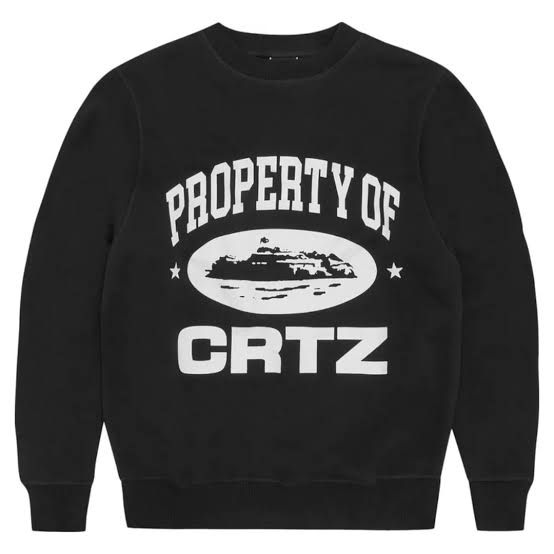
No paid campaigns. No glossy shoots. Corteiz built its following through private Instagram accounts, guerrilla pop-ups and drops that fans treat like scavenger hunts. Its founder, Clint, keeps an unusually low profile, and the Alcatraz logo now reads as a statement about breaking out of the system.
Restocks are rare and drops sell out fast. The cargos, tracksuits and puffers have become close to a uniform across London, worn by drill artists and students alike, and Drake, Dave and Central Cee have all been pictured in it. The celebrity attention helps, but it isn't the point. People buy Corteiz because it still feels like it belongs to them.
Trapstar, twenty years in and still on the street
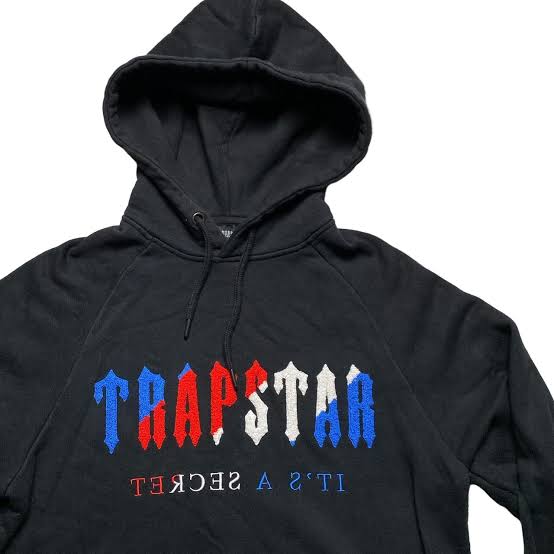
Mikey, Lee and Will started Trapstar in West London in 2005, before most of today's labels existed. That alone is rare. Rarer still is that it never lost its credibility on the way up, even with Rihanna and Jay-Z wearing it and Stormzy in its orbit early on.
The gothic lettering is instantly recognisable, and the reflective, padded Hyperdrive jacket remains one of the most wanted outerwear pieces in British streetwear. Physical shops across London give it a visibility that drop-only rivals simply don't have.
Palace is funnier than everyone else
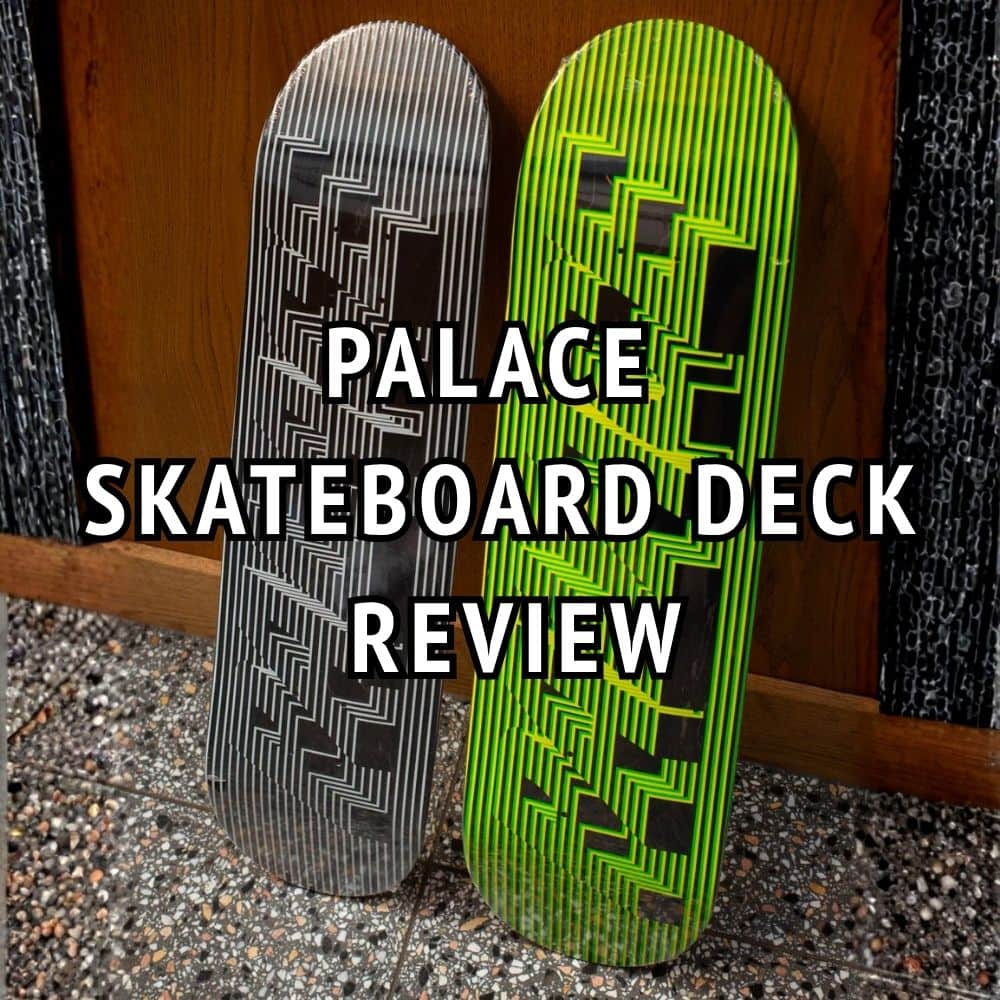
Lev Tanju's label started as a skate brand in 2009 and never pretended otherwise. The Tri-Ferg is arguably the best logo in the country. But the real advantage is tone: absurd, self-mocking, very British.
Spring/Summer 2026 put GORE-TEX shells next to football shirts and retro sportswear, and the Adidas collaborations keep landing. After more than fifteen years, the weekly drops still draw queues. That's hard to do without ever looking serious.
A-Cold-Wall* after Samuel Ross
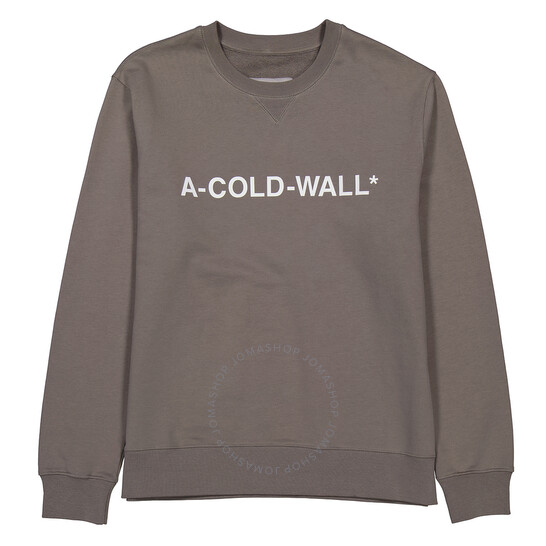
Samuel Ross, who worked under Virgil Abloh, founded A-Cold-Wall* in 2015 as a commentary on the British class system, told through industrial textures and architectural cuts. He won the Emerging Talent Menswear prize at the 2018 Fashion Awards, and the label has worked with Nike, Dr. Martens and Beats by Dre.
The big change is ownership. Tomorrow Ltd took the brand over fully in early 2026, and Ross has moved on to a new atelier project, SR_A. The label carries on, and its seaside-inspired Spring/Summer 2026 collection in cardinal red, umber and shale showed the design language is intact. Whether it holds without its founder is the open question.
Cole Buxton lets the fabric talk
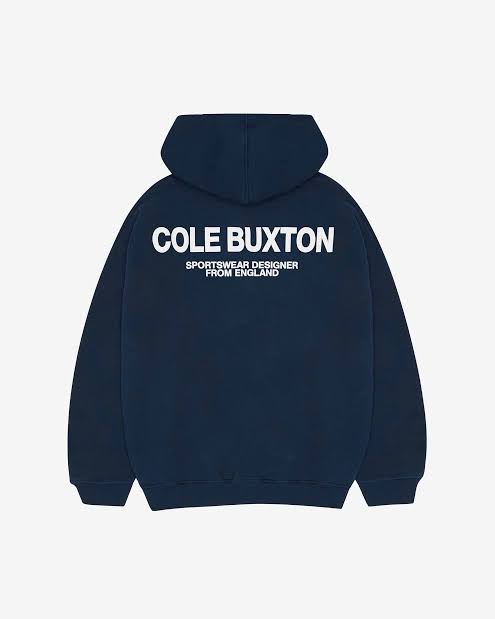
Cole Buxton and Jonny Wilson call it athletic essentialism: gym clothes built with an engineer's eye. Heavy fabrics, sharp construction, branding you can barely see. Their hoodies get compared to pieces costing three times as much, and the comparison is fair.
A move into leather holdalls this year shows a brand confident enough to stretch without losing its nerve. In a city full of logos, restraint stands out.
Syna World is more than merch
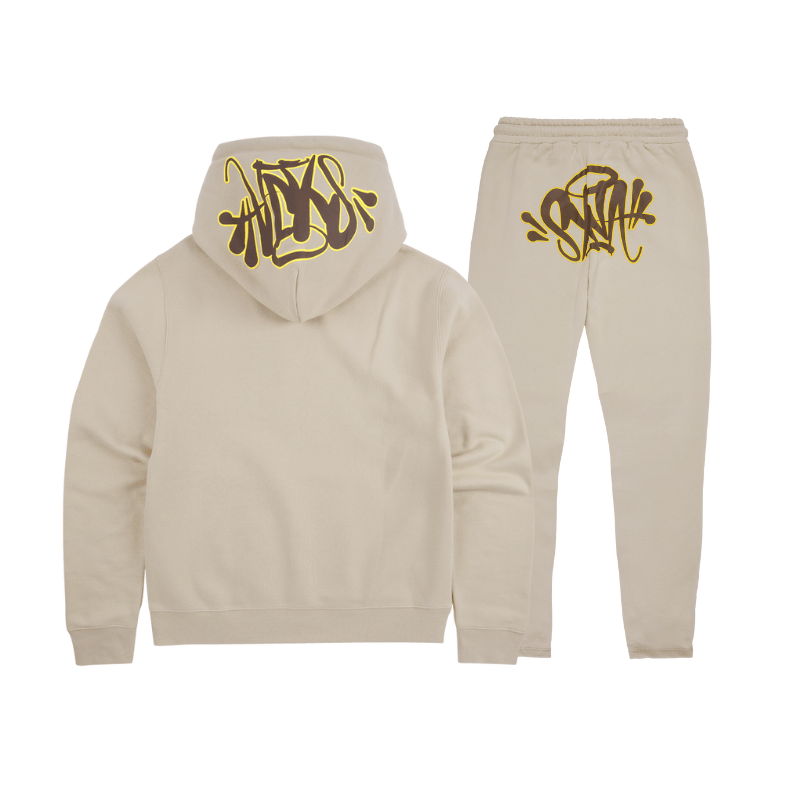
Plenty of rapper labels feel like tour merchandise with a bigger budget. Central Cee's Syna World, launched in 2022, doesn't. Loud tracksuits, bright colourways and lower prices pull in a younger crowd, and drops often clear before the lookbook has done the rounds. With his global reach behind it, the ceiling is high.
Broken Planet made organic cotton hype
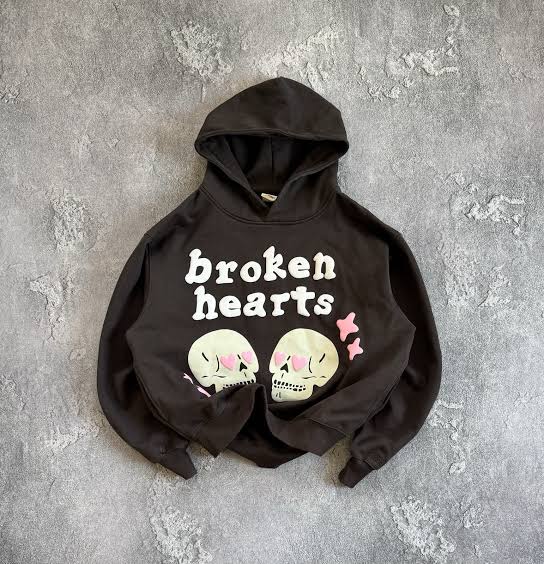
Founded in 2020 by Lithuanian-born couple Lukas Žvikas and Indrė Narbutaitė, Broken Planet uses GOTS-certified organic cotton or recycled fabrics. Its first drop sold out in under forty minutes after a viral TikTok moment, and the brand reports serving more than 500,000 customers since. The space-themed graphics carry a story about environmental reckoning, which gives the clothes a reason to exist beyond the print.
Aries for people who refuse to match
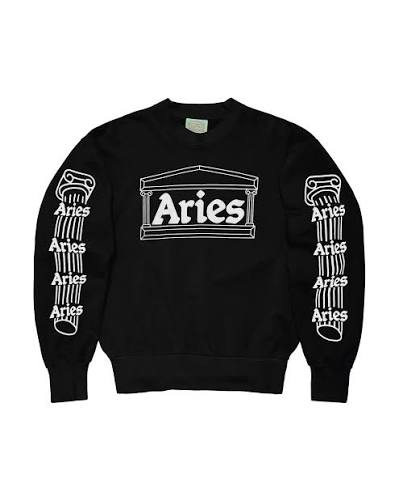
Sofia Prantera, who helped found the cult label Silas, and graphic artist Fergus Purcell draw on rave, punk and skate. Hand-drawn graphics, tie-dye, odd cuts. Aries ignores trend cycles and influencer seeding, so it sits slightly off the mainstream radar. Its fans like it there.
Represent, the Manchester outlier
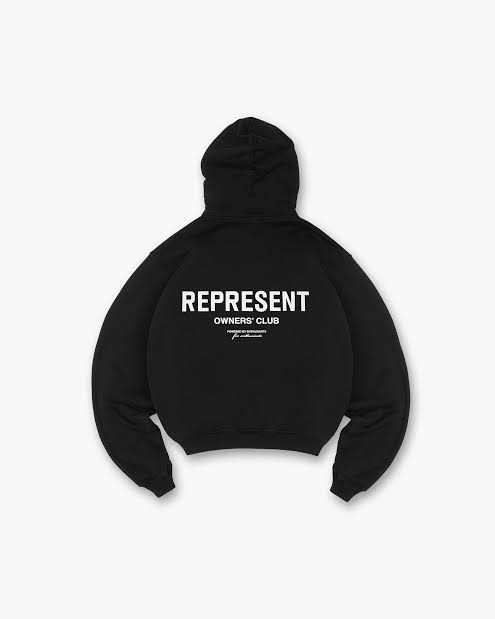
Strictly speaking, brothers George and Michael Heaton started Represent in Manchester. Its London presence earns it a spot anyway. Distressed denim and heavy hoodies built the name, and the 247 gym-to-street line showed it understood how customers actually live. The shift into suiting and elevated basics has been one of the smarter moves in British streetwear.
MKI, the quiet one
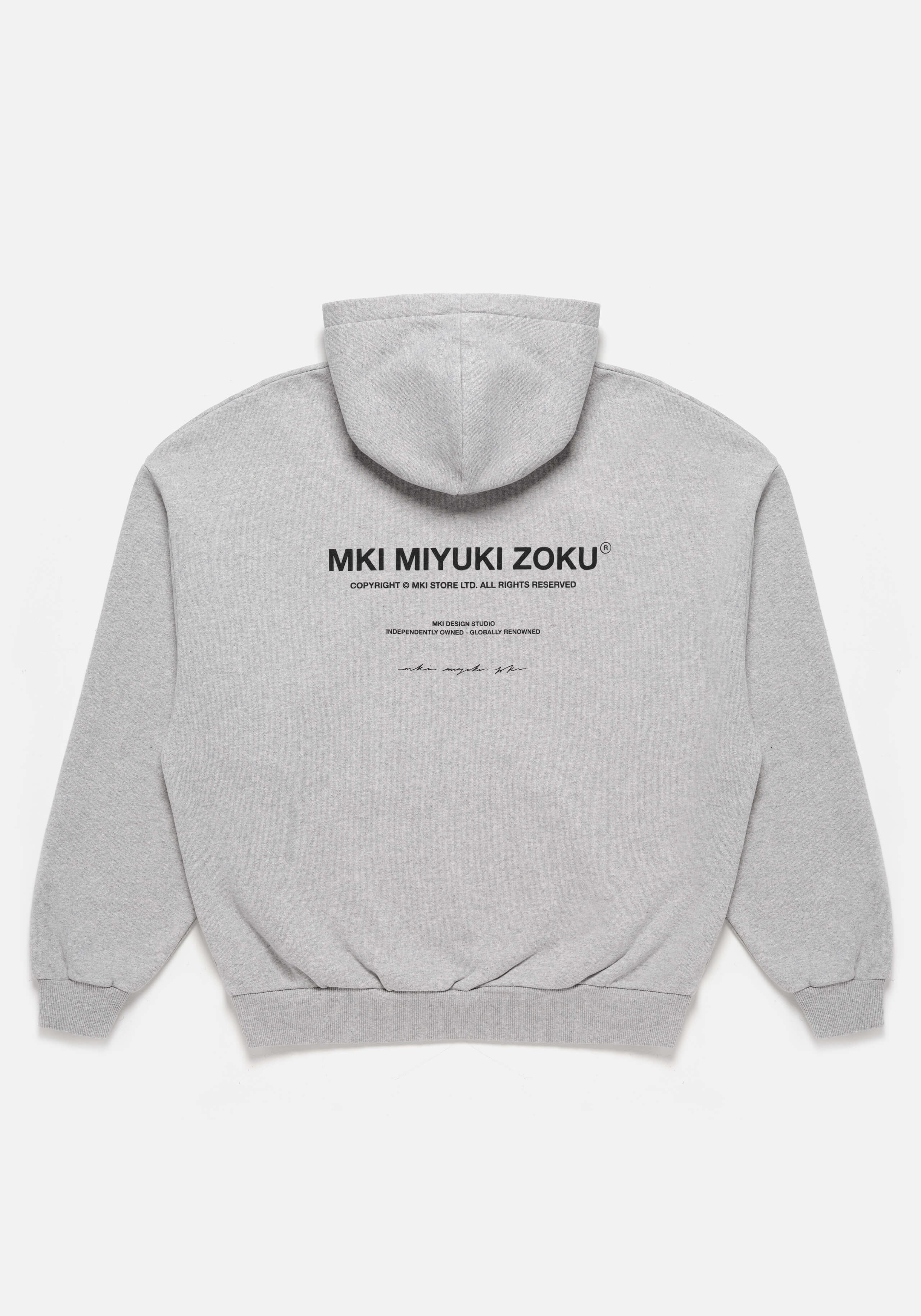
MKI has Northern roots and a firm London following. Sherpa fleece next to tailoring, oversized shapes beside precise outerwear, small embroidered branding. If streetwear is one part of your wardrobe rather than your whole identity, this is often where to start.
Where we'd put our money
For hype, Corteiz. For heritage, Trapstar and Palace. For quality per pound, Cole Buxton. Disagree with the order? Make your case in our best clothing brands poll and vote for the labels you'd actually wear.
Which London streetwear brand is easiest to buy?
Trapstar, thanks to its physical shops. Corteiz and Syna World drops sell out fast, so timing matters.
Which is best value?
Syna World has the lowest entry prices on this list, while Cole Buxton and MKI tend to justify their prices through fabric and construction.