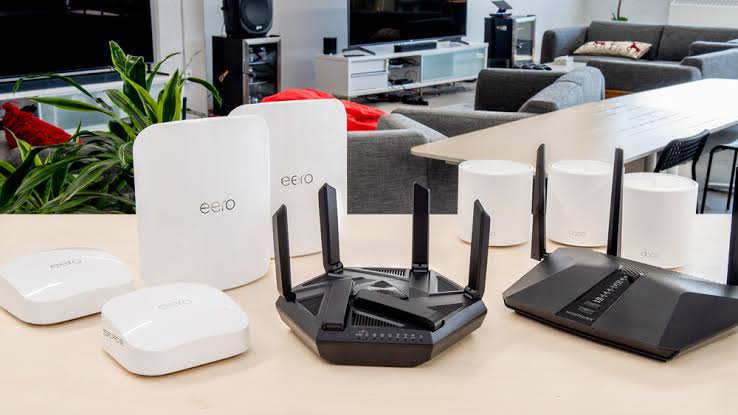
Picture it: you land in Lisbon, the apartment listing promised fast Wi-Fi, and ten minutes into a client call your video freezes because one router in the living room is serving you, three other guests and somebody's football stream. Your screen share dies. Your client asks if you're underwater.
Remote work went mainstream years ago. The infrastructure didn't follow. Hotel networks are still patchy, airport Wi-Fi is still crowded, and buying a new SIM card in every country gets tiresome by the second border. A dedicated mobile router fixes most of that, but only if you buy the right kind.
Hotspot or travel router? Decide this first
These two categories get lumped together, and they solve different problems.
- Cellular hotspots create their own internet connection from 4G or 5G networks using a SIM, eSIM or cloud SIM. They're for places where the local Wi-Fi is bad or missing.
- Travel routers have no modem. They take an existing connection (hotel Wi-Fi, a tethered phone, an Ethernet cable) and turn it into a private network, often wrapped in a VPN. They're for places where the Wi-Fi exists but you don't trust it.
Plenty of remote workers need the second more than the first. Keep that in mind as you read.
Ten devices, side by side
Prices below are the approximate figures at the time of writing and will move with sales and regions.
| Device | Type | Wi-Fi | Rated battery | Approx. price |
|---|---|---|---|---|
| NETGEAR Nighthawk M7 | 5G hotspot | WiFi 7 | About 10 hours | $500 |
| GL.iNet Beryl AX | Travel router | WiFi 6 | None | $99 |
| NETGEAR Nighthawk M6 Pro | 5G hotspot | WiFi 6E | 13+ hours | $400 |
| GL.iNet Mudi 7 | 5G hotspot and router | WiFi 7 | About 13.5 hours | $450 |
| TP-Link Roam 7 BE3600 | Travel router | WiFi 7 | None | $60 |
| RoamWiFi 5G Pro | 5G hotspot | WiFi 6 | 20+ hours | $200 |
| Peplink BR1 Pro | Rugged 5G router | WiFi 5 | None | $700 |
| Solis X | 4G hotspot | WiFi 5 | About 16 hours | $180 |
| Sapphire 3 | 4G hotspot | WiFi 5 | About 12 hours | $90 |
| GL.iNet Mango | Travel router | WiFi 4 | None | $23 |
NETGEAR Nighthawk M7: the one to beat if money isn't the issue
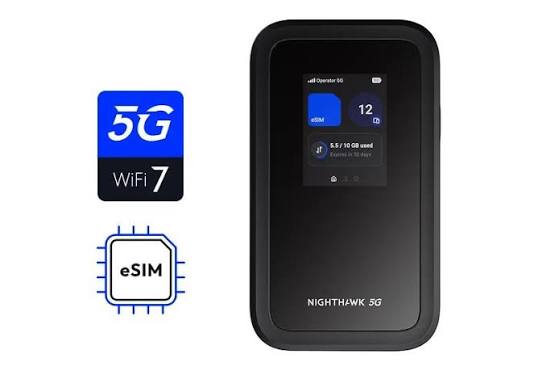
Launched in January 2026, the M7 (MH7150) pairs WiFi 7 with 5G, supports up to 32 connected devices and has built in eSIM covering more than 140 countries. That eSIM is the headline: buy a data plan in the NETGEAR app when you land, no contract, and you're online in minutes. A nano SIM slot stays for flexibility. Battery is rated around 10 hours, enough for a working day but not much more. At $500 it's expensive. If your income rides on calls not dropping, it's also the easiest recommendation here.
GL.iNet Beryl AX: no SIM, and that's the point
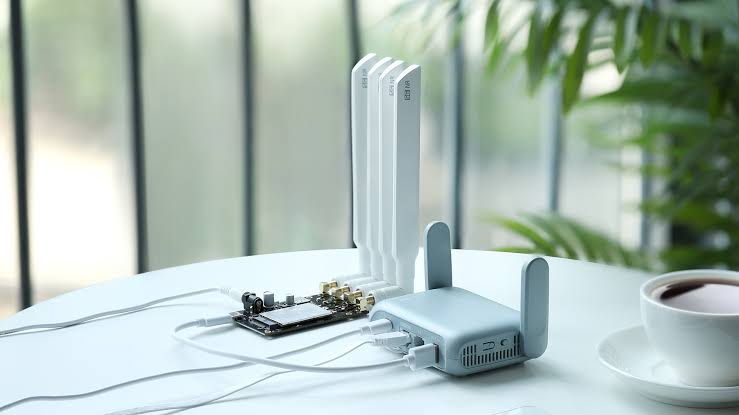
The Beryl AX (GL-MT3000) is a travel router running OpenWrt, with WireGuard VPN speeds quoted up to 1,100 Mbps, two 2.5G Ethernet ports, USB 3.0 for tethering and a weight of 205 grams. A physical switch can toggle AdGuard Home for network wide ad blocking. For $99, it's the pick for anyone who needs a corporate VPN on a hotel network they don't trust.
NETGEAR Nighthawk M6 Pro: older, and it lasts longer
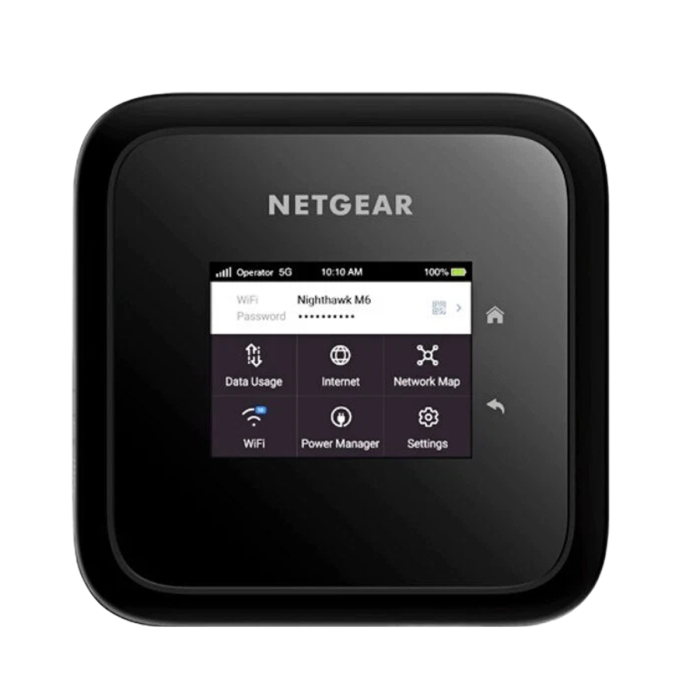
The M7 is newer. The M6 Pro outlasts it. With 5G, WiFi 6E and battery life rated past 13 hours, it suits long transit days. The touchscreen lets you check signal, data use and connected devices without opening an app. Around $400.
GL.iNet Mudi 7: router and hotspot in one body
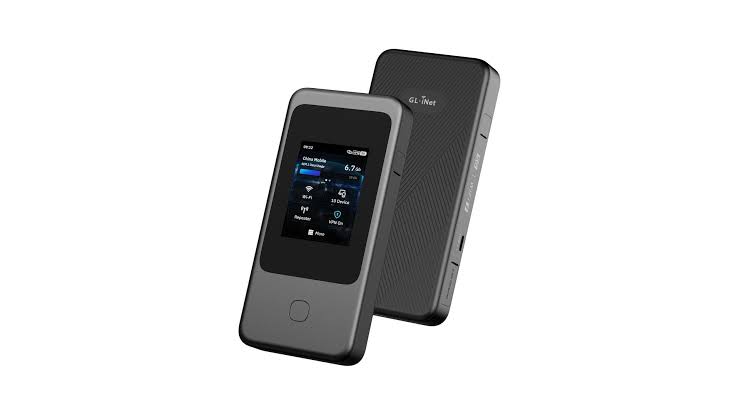
Released in June 2026, the Mudi 7 (GL-E5800) combines a 5G modem, tri-band WiFi 7, a 2.8 inch touchscreen and GL.iNet's OpenWrt and WireGuard setup. It takes an eSIM plus two physical SIMs, so three carriers can sit ready as you cross borders. The 5,380 mAh battery is rated around 13.5 hours. At $450, it's the most versatile device on this list.
TP-Link Roam 7: WiFi 7 for about $60
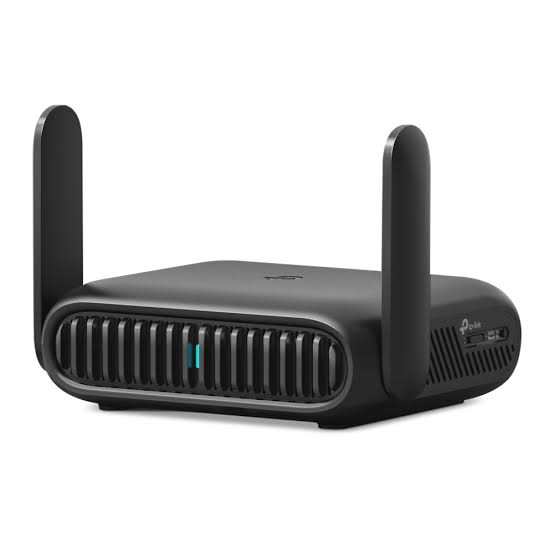
WiFi 7, VPN support and room for up to 90 devices at around $60. TP-Link is clearly pricing to win. There's no modem, so feed it a connection first. As a way to run one VPN for every device without installing software on each, it's remarkable value.
RoamWiFi 5G Pro: for people who never want to think about SIMs
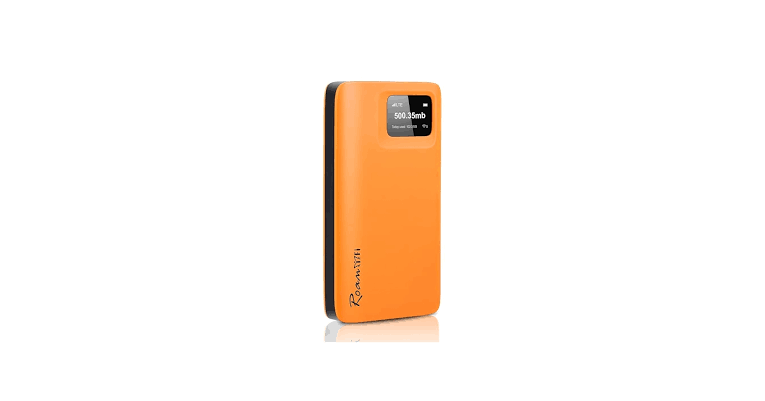
Cloud SIM technology connects to local carriers in more than 170 countries; you just buy data in the app. Battery is rated over 20 hours, the longest here. It handles 16 devices and drops to 4G where 5G isn't available. Around $200, and the simplest international option on the list.
Peplink BR1 Pro: insurance for vans and back roads
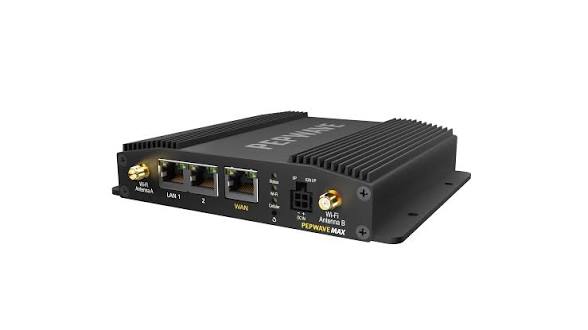
Not a consumer gadget. This ruggedised router supports external antennas for weak rural signal and runs Peplink's SpeedFusion, which can bond cellular links and fail over if one carrier drops. At around $700 it's the priciest pick, and for van lifers, RV workers and field teams it earns that.
Solis X: simple, slower, still useful
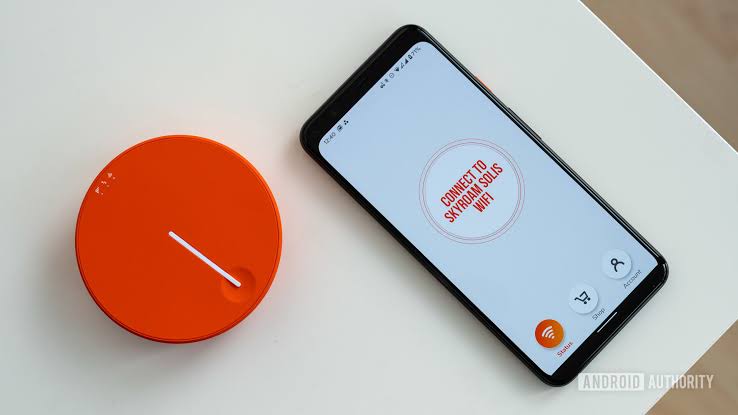
Skyroam's Solis X uses virtual SIM technology across more than 135 countries, sold as day passes or monthly packages. It's 4G LTE only, fine for email and video calls, weaker for big uploads. About 16 hours of battery, around $180.
Sapphire 3: the credit card in your pocket
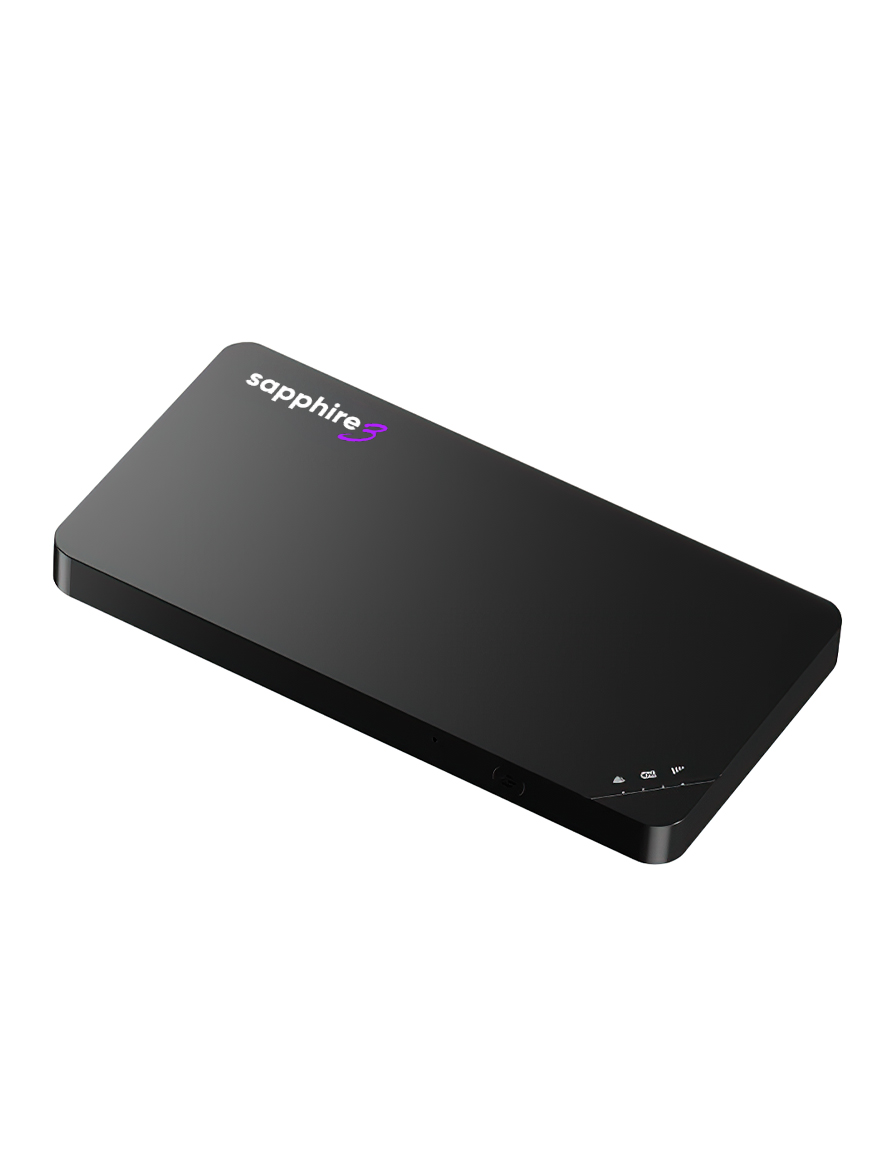
Roughly credit card sized, 4G LTE in more than 130 countries, 10 devices, about 12 hours of battery and 4GB of global data in the box. The app is weak and reliability can wobble in less visited places. As a light backup at around $90, it does the job.
GL.iNet Mango: the $23 backup
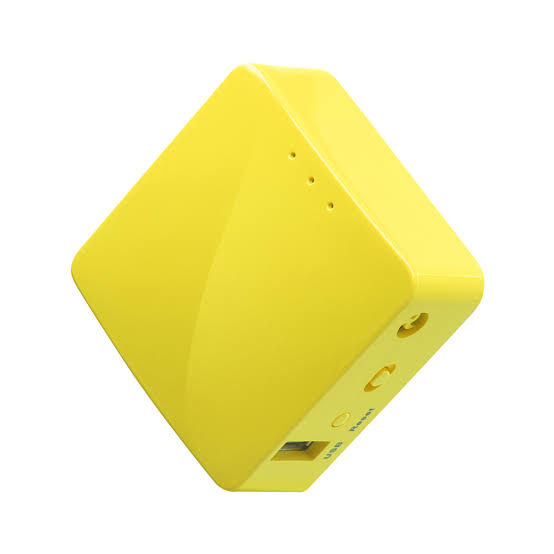
WiFi 4 is ancient now, and the Mango (GL-MT300N-V2) won't win speed tests. It still extends Wi-Fi, shares a tethered phone connection and runs OpenWrt with WireGuard. At $23, it belongs in the bottom of every bag as a fallback.
Which one belongs in your bag
Our view: most remote workers should start with a travel router (the Beryl AX, or the Roam 7 on a budget) and add a hotspot only if they regularly work where Wi-Fi is missing. Frequent international travellers get the most from the Nighthawk M7 or RoamWiFi 5G Pro. Planning where to take that setup next? Vote for the best places to visit in Europe and see what other travellers pick.
Can a travel router run my company VPN for every device?
Yes. The Beryl AX, Roam 7, Mudi 7 and Mango all support VPN at router level, so traffic from connected devices goes through it without per device setup.
Which device has the longest battery life?
The RoamWiFi 5G Pro, rated at over 20 hours. The Solis X, Mudi 7 and M6 Pro follow.
Is WiFi 7 worth paying for on the road?
Only if your incoming connection is fast. On slow hotel Wi-Fi, the VPN and security features matter more than the Wi-Fi standard.