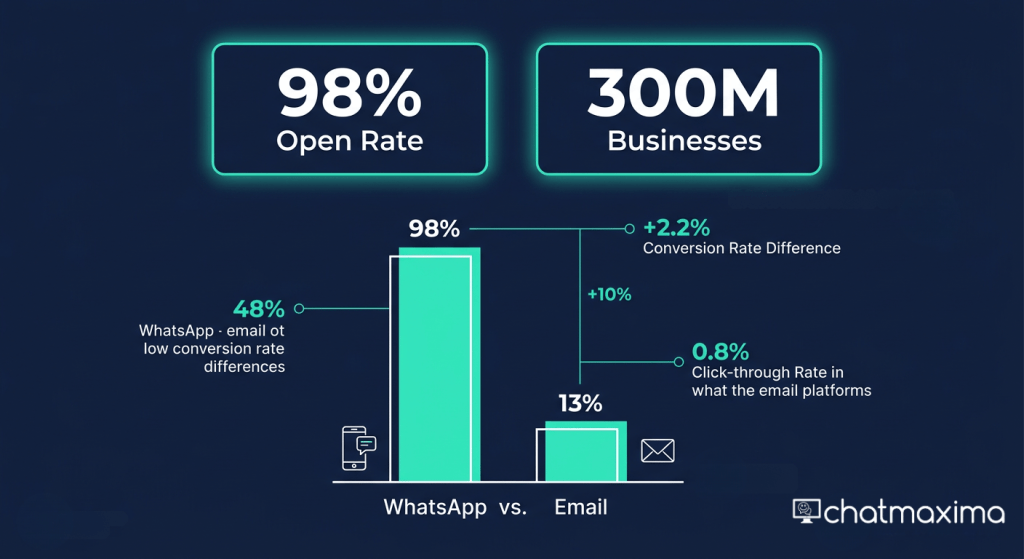
For a lot of small businesses, WhatsApp stopped being a side channel a while ago. Customers ask about stock there, chase orders there and expect a reply within minutes. Once a team grows past one phone and one person, a proper WhatsApp CRM becomes the difference between a tidy inbox and a pile of missed leads.
The catch is that the sticker price is rarely the real price. Meta charges per conversation, and some platforms add their own markup on top. Two tools with the same monthly fee can end up costing very different amounts once your broadcast list grows. So read the fee line first, then the feature list.
The prices below are starting list prices as published by each vendor when this guide was compiled. They change often, so treat them as a starting point and check the vendor's pricing page before you commit.
Ten Platforms, One Table
| # | Platform | Starting price | Suits | Why it stands out |
|---|---|---|---|---|
| 1 | Respond.io | From $79/mo | Growing omnichannel teams | AI Agents that track lifecycle stages |
| 2 | WATI | From $59/mo | SMBs wanting a fast setup | No-code chatbot builder |
| 3 | Kommo | $15/user/mo | Pipeline-driven sales teams | WhatsApp chats tied to deal cards |
| 4 | Interakt | From about $35/mo | Indian D2C and eCommerce brands | Catalogues and payment prompts |
| 5 | ChatMaxima | From $19/mo | Budget-conscious global SMBs | No markup on Meta charges |
| 6 | AiSensy | Free tier | Broadcast-heavy marketers | Low campaign pricing |
| 7 | SleekFlow | From $79/mo | Social commerce sellers | Social selling across many apps |
| 8 | Zoko | From $34.99/mo | Shopify store owners | Deep Shopify sync |
| 9 | Gallabox | From $40/mo | Visual automation fans | Drag-and-drop flow designer |
| 10 | Freshchat | Free tier | Freshworks users | Sits inside the Freshworks suite |
1. Respond.io Has the Highest Ceiling
Respond.io started life as an omnichannel messaging tool and grew into a full conversation management platform covering WhatsApp, Instagram, Messenger, email and voice calls. Its AI Agents are the real draw. They can learn from your knowledge base, qualify leads, move contacts between lifecycle stages, apply tags and fire off multi-step workflows on their own. The company reports 99.999% uptime.
At about $79 a month, it's a stretch for a bootstrapped shop. For a team handling hundreds of conversations a day across several channels, though, it's the one you're least likely to outgrow.
2. WATI Gets You Live by the Afternoon
WATI is an official Meta Business Solution Provider with a polished shared inbox, a no-code chatbot builder, broadcast tools and integrations with HubSpot, Shopify and Zoho. Few tools get a small team from signup to live conversations faster.
The Growth plan costs $59 a month for five users, 1,000 chatbot sessions and 15,000 broadcast messages. Pro is $119 and Business is $279, adding AI support agents and deeper analytics. The thing to watch: WATI marks up Meta's per-conversation fees, and that adds up at volume. Model your message counts before signing.
3. Kommo Thinks Like a Salesperson
Formerly amoCRM, Kommo comes at WhatsApp from the CRM side. Every chat hangs off a deal card in a real sales pipeline, and the Salesbot builder lets non-technical staff automate sequences triggered by customer actions. Instagram and Messenger are supported too.
Base is $15 per user a month, Advanced $25, Enterprise $45. Cheap for a solo founder, pricier as seats multiply. Expect to spend real time on setup: pipelines, custom fields, bot triggers. If your business lives or dies on closing deals, that effort pays back.
4. Interakt Turns WhatsApp Into a Shopfront
Backed by Jio Haptik and the Reliance ecosystem, Interakt is built for Indian D2C brands and small retailers who sell mainly through WhatsApp. Catalogues, order notifications, payment prompts and abandoned cart recovery come bundled with the inbox, and newer Haptik-powered AI Agents add automation. Plans start around $35 a month and most businesses go live within an hour. Cross-channel support, SLA management and detailed reporting are thinner than on more mature tools.
5. ChatMaxima Wins on the Fee Line
This is the platform that makes our headline point for us. ChatMaxima starts at $19 a month and passes Meta's conversation charges through with no markup, where some rivals add 15 to 20 percent. You still get a no-code AI chatbot builder, a team inbox, broadcasts and support for WhatsApp, Instagram, Messenger and web chat. The honest weakness is profile: it's less known than WATI or Respond.io, which is worth weighing if long-term vendor stability matters to you.
6. AiSensy Is Where Broadcasters Start
A usable free tier makes AiSensy an easy first step for micro-businesses, especially in India and Southeast Asia. It leans hard into marketing: click-to-WhatsApp ads, drip campaigns and bulk broadcasts. Pipeline management, complex automation and omnichannel reach are light. Good for getting messages out cheaply; plan on graduating later.
7. SleekFlow Sells Inside the Chat
Popular in Asia-Pacific, SleekFlow pulls WhatsApp, Instagram, Messenger, WeChat, LINE and more into one dashboard, with payment links, catalogues and order tools so a conversation can become a sale. An AI flow builder handles qualification and follow-ups, and analytics track conversions by channel. From roughly $79 a month, it's priced for sellers who genuinely trade through social chats.
8. Zoko Is a Shopify Specialist

Zoko syncs catalogues, order statuses and customer data with Shopify in real time, automates cart reminders and shipping updates, and shows agents a buyer's purchase history beside the chat. At $34.99 a month it's good value for Shopify merchants. On WooCommerce or BigCommerce, look elsewhere.
9. Gallabox Draws Your Customer Journey
Gallabox's drag-and-drop flow designer covers WhatsApp, Instagram and web chat, and makes every step of an automation visible. Pricing starts around $40 a month, with AI on higher tiers. It suits businesses with multi-stage journeys such as appointment booking, loan applications or onboarding.
10. Freshchat Makes Sense If You're Already a Freshworks Shop
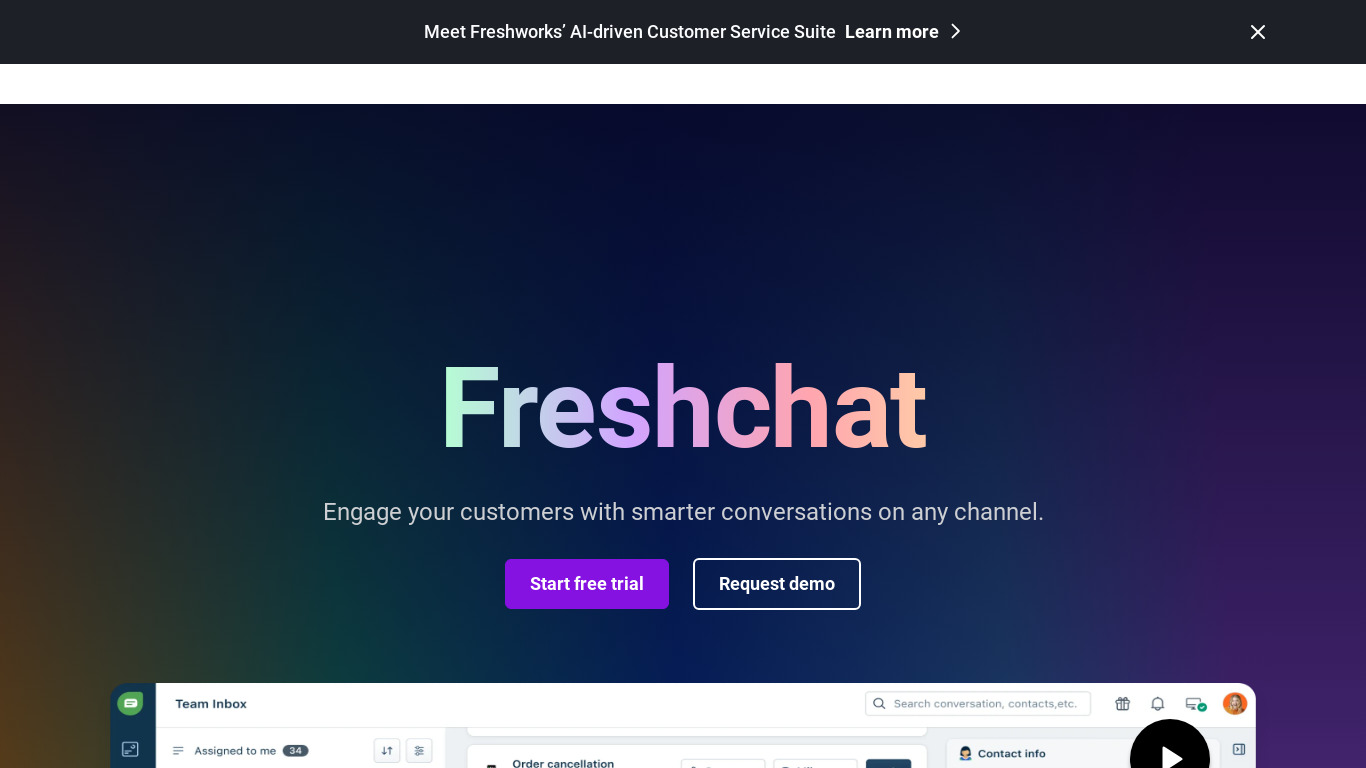
Freshchat isn't WhatsApp-first. Its value is connecting WhatsApp to Freshdesk, Freshsales and Freshmarketer without extra integrations. The free tier covers up to ten agents; paid plans add AI bots, routing and analytics. Broadcasts and template management feel bolted on, but for existing Freshworks teams that trade-off is usually fine.
Picking Without Regret
Start with how you make money. Sales pipelines point to Kommo, storefronts to Interakt or Zoko, broadcasts to AiSensy, and multi-channel scale to Respond.io. Then estimate a month of message volume and price it including Meta's fees and any markup. More small business guides are on the ICONPOLLS.com blog.
Which option is cheapest overall?
AiSensy and Freshchat have free tiers, while ChatMaxima's $19 plan with no Meta markup can be the cheaper choice once volume grows.
Do these prices include Meta's conversation fees?
No. Meta charges separately, and some platforms add a markup, so check each vendor's fee policy.