Nobody likes to admit it, but your room matters more than your microphone. Put a $3,000 Neumann next to a window over a main road, add an air conditioner rattling overhead and a dog somewhere behind you, and it will faithfully record all of it. A microphone can't tell your voice from the bus outside.
So the useful question for most home creators isn't "which mic sounds best?" It's "which mic ignores the most?" Dynamic microphones have long been the answer because they are less sensitive than condensers and pick up less of the room by nature. What has changed is the software. Real time denoisers, auto levelling and digital pop filters now ship inside mics that cost less than a decent pair of headphones.
We've ranked ten options for podcasters, streamers, remote workers and bedroom vocalists who can't build a booth. Prices are the list figures from our original roundup and will move with sales and regions.
The shortlist
| Rank | Microphone | Type | Connection | List price | Suits |
|---|---|---|---|---|---|
| 1 | Shure SM7dB | Dynamic | XLR | $549 | Broadcast, podcasting, vocals |
| 2 | Shure MV7+ | Dynamic | USB-C and XLR | $279 | Podcasts, streaming, home offices |
| 3 | Electro-Voice RE20 | Dynamic | XLR | $399 | Radio, voice over |
| 4 | Shure MV6 | Dynamic | USB-C | $149 | Streaming, gaming, calls |
| 5 | RODE PodMic USB | Dynamic | USB-C and XLR | $99 | Budget podcasting |
| 6 | Audio-Technica AT2040 | Dynamic | XLR | $109 | Untreated rooms, voice over |
| 7 | FIFINE K688 | Dynamic | USB-C and XLR | $73 | Beginners on a budget |
| 8 | Elgato Wave:3 | Condenser | USB-C | $150 | Streamers who mix in software |
| 9 | HyperX QuadCast 2 | Condenser | USB-C | $150 | Gaming desks, on camera setups |
| 10 | Samson Q2U | Dynamic | USB and XLR | $70 | First mic, dual connectivity |
1. Shure SM7dB: the classic, minus the headache
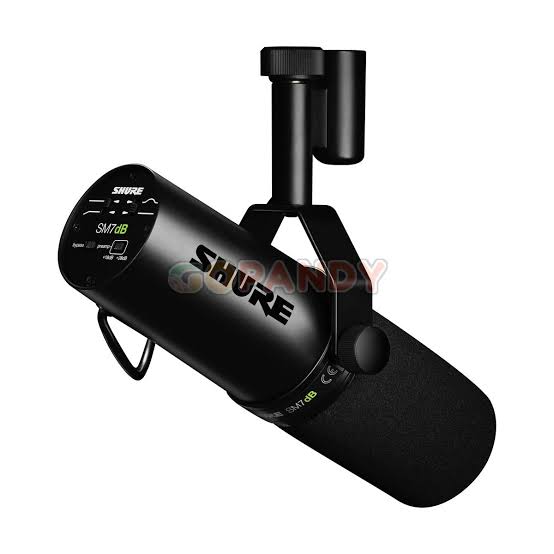
The SM7B has been a broadcast standard for decades, and it always came with a catch: it's hungry for gain, so owners ended up buying a pricier interface or a Cloudlifter. The SM7dB puts a preamp inside the body, so a basic XLR interface will do. Its cardioid pattern rejects off axis sound well, and the shielding keeps monitor and computer hum out. At $549 it's the most expensive mic here. If audio is your job, it earns the price.
2. Shure MV7+: the one most people should buy
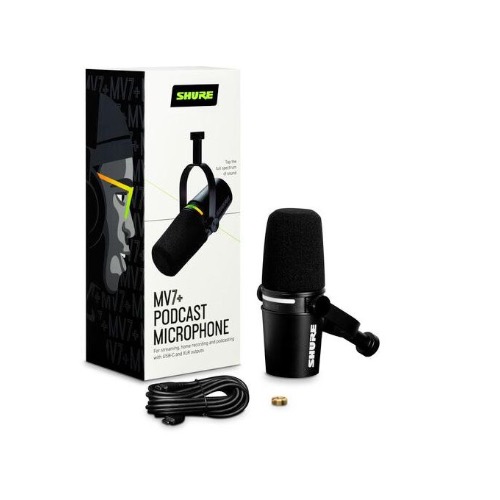
USB-C for plugging straight into a laptop, XLR for when you graduate to an interface. That flexibility is the point. In USB mode, Shure's voice isolation processing mops up whatever room noise the dynamic capsule lets through, and the MOTIV Mix app adds auto levelling, EQ, compression and reverb, controlled partly from an LED touch panel on the mic. For untreated home spaces, Icon Polls rates the MV7+ as the best all rounder at $279.
3. Electro-Voice RE20: the radio voice
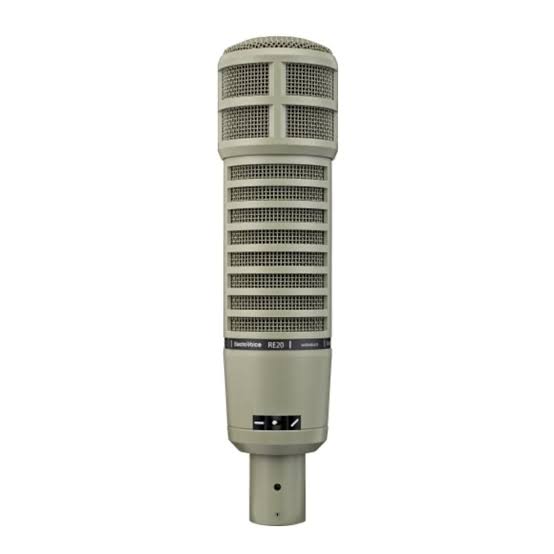
If you've heard American talk radio, you've heard an RE20. Electro-Voice's Variable-D design largely removes proximity effect, so leaning in or drifting back doesn't swing your tone around. That forgiveness is underrated for anyone who moves while talking. The sound is clear and slightly warm, the cardioid pattern is tight, and at around $399 it needs a capable interface. Buy it once and it will likely outlast everything else on your desk.
4. Shure MV6: noise reduction for people who hate settings
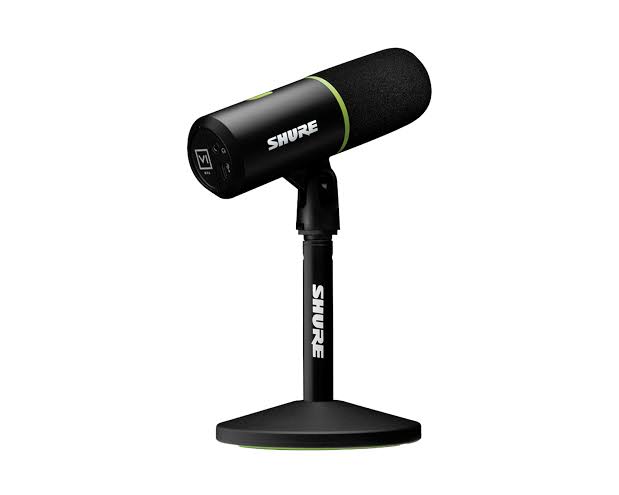
The MV6 is a USB-C dynamic with a real time denoiser, auto levelling and a digital popper stopper. The denoiser targets keyboard clicks, air conditioning and general room hum while leaving your voice intact. No acoustic panels, no perfectly angled boom arm, no whispering when a flatmate walks past. At $149, Icon Polls considers it the best value USB mic for noisy rooms this year.
5. RODE PodMic USB: heavy, handsome and cheap
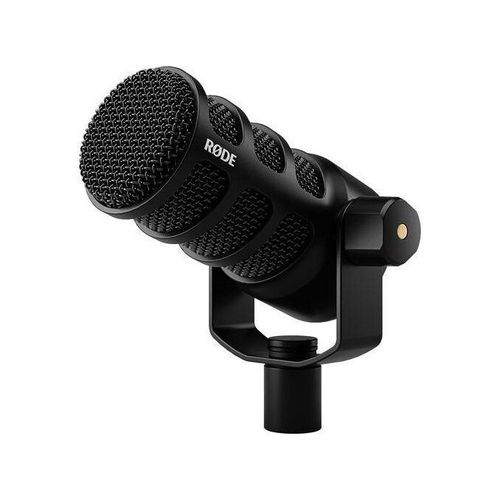
$99 for a mic this solid feels slightly unfair to the competition. The warm, focused sound and tight cardioid pattern keep background noise in its place, and the USB-C plus XLR combo means you won't outgrow it quickly. Two caveats: it wants plenty of gain on the XLR side, and it sounds best with your mouth close. Fair trades at this price.
6. Audio-Technica AT2040: tighter than the rest
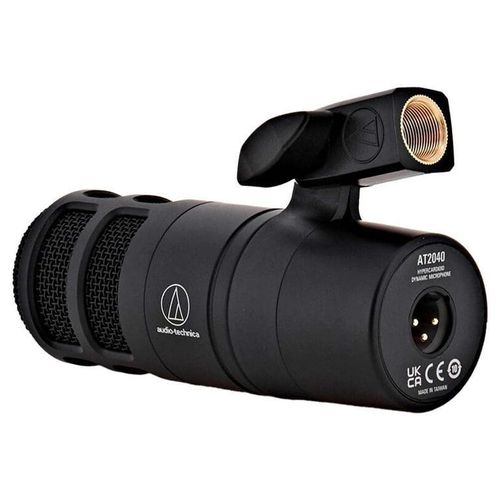
Most mics here are cardioid. The AT2040 is hypercardioid, which narrows its focus further and rejects more from the sides and rear. When noise comes from several directions at once, that matters. An internal shock mount and built in pop filter cut the accessory bill too. It's $109 for XLR and $159 for the USB version.
7. FIFINE K688: the default starter pick
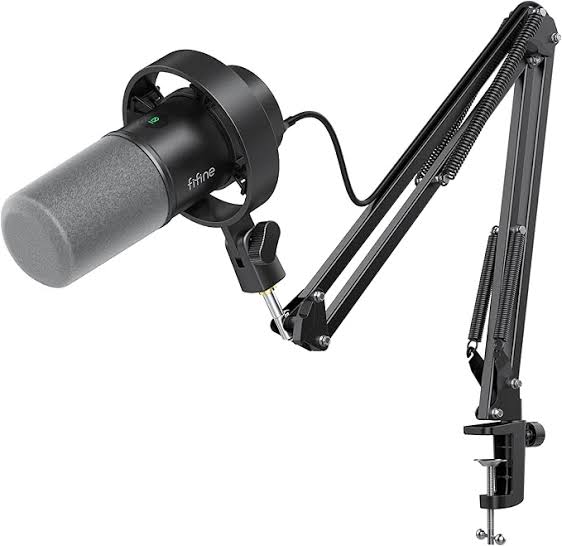
Around $73 gets you USB-C and XLR, a headphone jack and separate gain and volume knobs, often bundled with a boom arm and shock mount. Next to an SM7B it gives up low end warmth and smoothness on harsh consonants, and it feels lighter in the hand. For remote workers and new streamers who just need a dynamic that ignores the room, it's the obvious place to start.
8. Elgato Wave:3: a condenser that earns its place
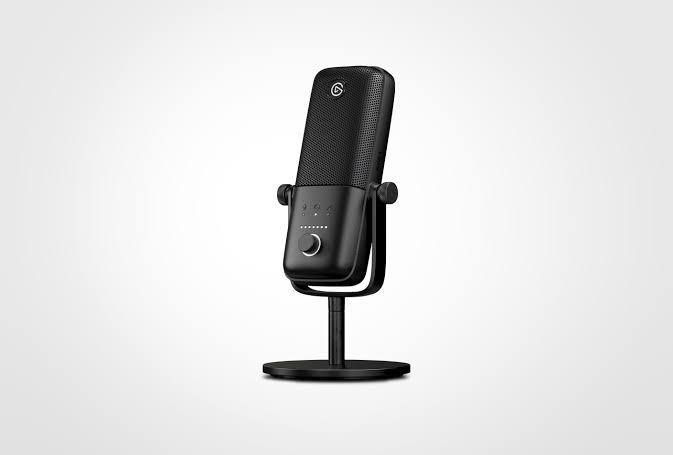
Condensers usually lose this fight. The Wave:3 makes the list because of Wave Link, Elgato's software mixer, which splits mic, game, music, Discord and browser audio into separate channels. Add its noise gate and the fairly tight cardioid pattern copes with moderately noisy rooms. Clipguard, which uses a second capsule to stop distortion when you suddenly shout, is a genuine help on stream. $150.
9. HyperX QuadCast 2: built for the camera
Honestly, half the appeal is the RGB. Underneath, it's a capable condenser with an anti vibration mount, pop filter, tap to mute and four polar patterns. Stick to cardioid in a noisy room, and expect it to struggle where the noise is heavy rather than moderate. At $150 it suits gamers who care how the desk looks on camera.
10. Samson Q2U: still the honest beginner mic
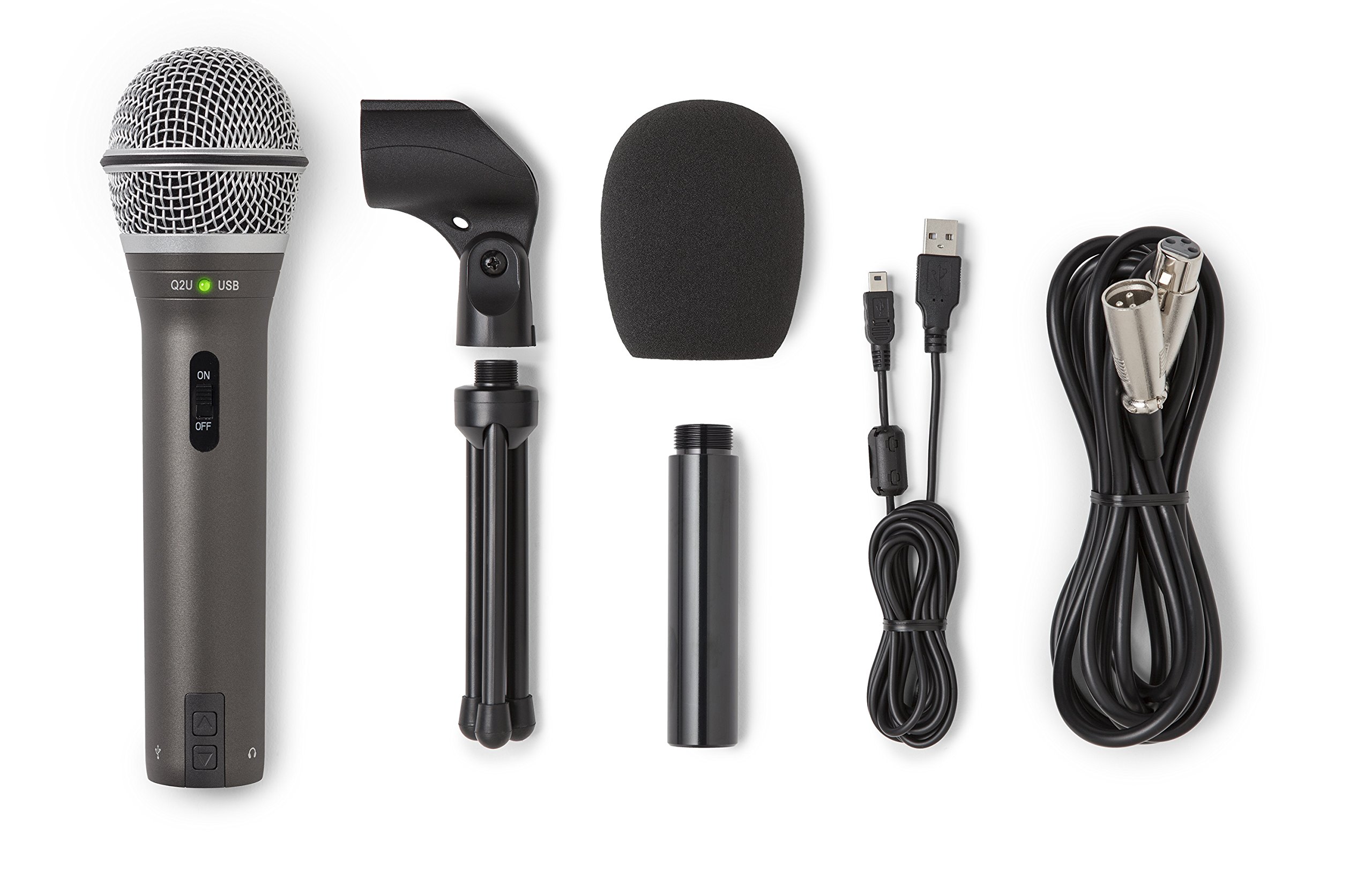
Podcasters have recommended the Q2U for years. Around $70 buys USB and XLR, a dynamic capsule that handles noise well and a two minute setup. It lacks the richness of pricier dynamics, and some users report plosives and hum that a pop filter and careful placement will fix. As a first step with room to upgrade, it still makes sense.
Where to spend, and where not to
If you record in a genuinely loud space, buy a dynamic and put your money there before anything else. The MV7+ is the safest single purchase; the MV6 and PodMic USB stretch a small budget furthest. The condensers are for people whose workflow or desk aesthetic matters as much as rejection. Once your setup is sorted, see how the creators you learned from stack up and vote for the greatest YouTubers of all time.
Dynamic or condenser for a noisy room?
Dynamic, in almost every case. They are less sensitive and pick up less ambient sound. Condensers only make sense here with strong software support or a fairly quiet room.
Do I need an audio interface?
Not for USB models like the MV6, Wave:3 or QuadCast 2. The SM7dB and RE20 are XLR only and need one, though the SM7dB's built in preamp means a basic interface is enough.