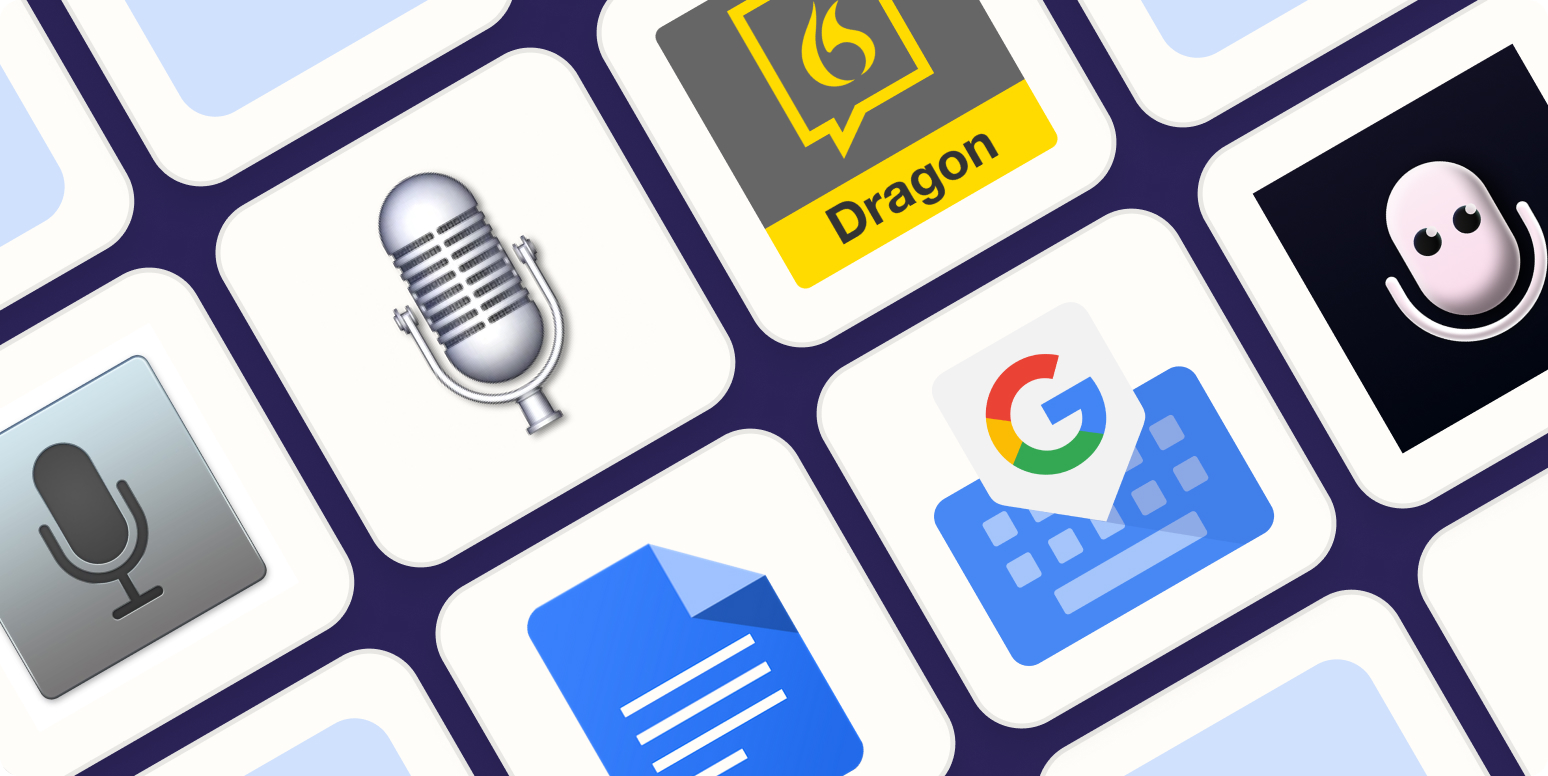
Your guest's connection will stutter at some point. It always does. The question is whether that hiccup ends up baked into your episode or vanishes because the software recorded everything on their own machine. That single feature, local recording, is why the remote interview went from pandemic stopgap to the default way podcasts get made.
Still, these tools don't all solve the same problem. Some care only about capture. Some fold editing, transcription and publishing into one subscription. A few cost nothing at all. So the right pick depends on your show: how many guests you book, whether video matters, and how much editing you're willing to do yourself. The ranking below weighs each tool on that basis, and is frank about the weak spots.
The ten, side by side
| Rank | Tool | Strongest at | Listed starting price | Local recording | Video |
|---|---|---|---|---|---|
| 1 | Riverside.fm | Studio-grade remote capture | $19 a month | Yes | Up to 4K |
| 2 | Descript | Editing by transcript, plus recording | $16 a month | Yes, via SquadCast | Yes |
| 3 | Zencastr | No-fuss browser sessions | $20 a month | Yes | Yes |
| 4 | Cleanfeed | Audio-only interviews | Free | Yes | No |
| 5 | Podcastle | AI noise cleanup | $11.99 a month | Yes | Yes |
| 6 | Boomcaster | Local plus cloud backup | $15.99 a month | Yes | 1080p |
| 7 | Audacity | Free desktop editing | Free | Your mic only | No |
| 8 | Adobe Podcast | AI speech enhancement | Free (beta) | No | No |
| 9 | Alitu | Automated post-production | $38 a month | No | No |
| 10 | Zoom | A familiar starting point | $13.33 a month | Optional | Yes |
Prices are the starting rates listed when this guide was first published and can change, so check before you subscribe.
Riverside.fm is still the one to beat
Riverside exists for one job, and it does it better than anyone. Each participant is recorded locally in up to 4K video and 48kHz WAV audio, with files uploading in the background as you go. If a guest's internet drops mid-sentence, the recording carries on. Guests join from a browser link with nothing to install.
Around that core sit AI transcription, a text-based editor, Magic Clips for short-form cuts and live streaming to YouTube, LinkedIn, Facebook and Twitch. Standard runs $19 a month billed annually with 1080p video; Pro, at $24, adds 4K and 15 hours of monthly transcription. Hour limits on cheaper plans pinch weekly shows. The quality makes up for it.
Descript, for people who live in the edit
Descript's trick is simple: edit the transcript and the audio follows. Delete a sentence, it's gone from the track. Filler words disappear automatically, Overdub handles voice cloning and multitrack work is more flexible than you'd expect.
Buying SquadCast gave it reliable remote recording, with separate local tracks and cloud backup, all inside one subscription. Creator starts at $16 a month with 12 transcription hours; Pro at $30 unlocks 4K exports and every AI feature. If editing eats more of your week than recording, this is the strongest choice going.
Why Zencastr keeps its fans
Guests click a link, allow the mic, and you're rolling. Zencastr records each person locally in the browser and hands back separate tracks. No green rooms, no settings maze. The free tier offers four-channel recording with AI noise suppression, and paid plans from $20 a month add hosting, distribution and loudness levelling. It isn't an editing suite and doesn't pretend to be, which is exactly its appeal for interview shows.
Cleanfeed: free, and frankly better than it should be
No video, by design. Cleanfeed runs in the browser, records each voice locally and delivers sound that rivals paid platforms, all free for the core features. The interface is spartan. The paid Pro tier adds multitrack recording beyond two people, processing and extra file formats. For audio-only shows, nothing at this price comes close.
Podcastle rescues rough rooms
Most people record in bedrooms and kitchens, and Podcastle is built for that reality. Its AI strips background noise and echo, enhances voices and levels volume, alongside multitrack recording, transcription and Descript-style text editing. From $11.99 a month, it suits solo creators and small teams, even if the editor isn't the deepest.
Boomcaster, the insurance policy
Every session is saved locally and to the cloud at the same time. One copy fails, the other survives. Add 1080p video, separate tracks per guest and browser access from $15.99 a month. If you've ever lost a great interview, you already understand the pitch.
Audacity has outlasted almost everything
Free and open source since 2000, Audacity only records your own mic. Pair it with any call tool and you get a clean local track of your side. The editing is deep: noise reduction, EQ, compression, normalisation and plenty more. The interface looks its age and the learning curve is real, but there are no paywalls. For a zero budget, it's the obvious answer.
Adobe Podcast as a final polish
Enhance Speech is the draw: feed it a recording from an echoey room and it often comes back sounding studio-made. Not perfect, but consistently impressive. It doesn't record remote guests, so treat it as a post-production step after your capture tool. Free for now, it's an easy add.
Alitu, for people who hate editing
Upload your files and Alitu handles cleanup, levelling, transitions and assembly, with drag-and-drop music, intros and segment breaks. It doesn't record interviews, which is why it sits ninth, and $38 a month is steep. On a tight publishing schedule, the hours saved can still justify it.
Zoom works. That's about it
Zoom is a meeting app that happens to record a lot of podcasts. It compresses everything over the connection, so the ceiling is lower than dedicated tools, though turning on separate audio files gives you individual tracks. Pro starts at $13.33 a month, and many people already pay for it. It's the path of least resistance, not the path to great sound.
How to choose
Want the best capture with video? Riverside. Spend most of your time editing? Descript. Audio only and broke? Cleanfeed plus Audacity, with Adobe Podcast as a free polish. And if you enjoy weighing up the tools that make the internet run, add your voice to our vote on the world's most useful websites.
Do my guests need to install anything?
Not for most of these. Riverside, Zencastr, Cleanfeed and Boomcaster all let guests join through a browser link.
Is Zoom good enough for a podcast?
For casual shows, yes. Its compressed audio won't match platforms that record locally, so serious productions should look higher up the list.
What's the cheapest workable setup?
Cleanfeed for recording and Audacity for editing, both free for their core features.